Choosing an Ac Filter Drier for global sourcing is not a simple price comparison. It is a technical decision involving moisture control, refrigerant compatibility, pressure drop, and supply reliability. A small mismatch can leave a compressor exposed to acids, particles, or frozen moisture. That risk may appear months after installation.
Emerson refrigeration specialist André Patenaude has described the component as “the system’s insurance policy against moisture and contaminants.” This practical view matters when comparing suppliers across regions. Buyers should confirm the refrigerant type, required drying capacity, connection size, shell material, and maximum working pressure. The desiccant core also deserves attention. Molecular sieve, activated alumina, or blended media may perform differently under changing moisture conditions.
Look beyond the catalogue.
A reliable supplier should provide test reports, batch traceability, installation guidance, and consistent packaging. Check whether the Ac Filter Drier has been tested for the intended refrigerant and oil combination. Confirm certification requirements for the destination market, because accepted standards can vary. Shipping conditions matter too. A damaged carton or open connection can compromise the drier before it reaches the technician.
Experience often reveals uncomfortable details. The cheapest unit may create higher service costs. A larger model is not automatically better. Oversizing can increase cost without solving the real moisture problem. I would also question unclear performance data, even when the product looks professional. Global sourcing rewards careful verification, not attractive promises. This guide examines the decisions that help buyers select an Ac Filter Drier with stronger technical confidence and fewer avoidable surprises.
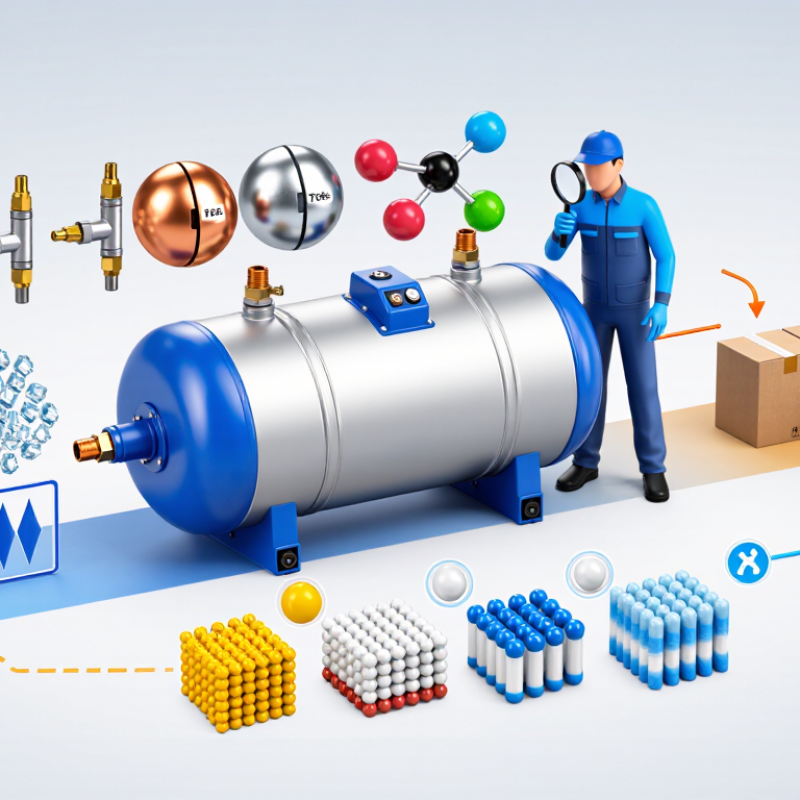
An AC filter drier is not merely a small replacement component. It removes moisture, acid, and solid contaminants from the refrigeration circuit. Its desiccant protects the compressor, expansion device, and internal surfaces from chemical damage. During commissioning, moisture can freeze near the expansion valve and restrict refrigerant flow. Small particles can also damage moving compressor parts. Clean systems run more reliably.
Define the operating conditions before comparing suppliers. Check the refrigerant type, oil compatibility, working pressure, temperature range, and required cooling capacity. The drier must provide enough moisture absorption without creating excessive pressure drop. Connection size matters too. An undersized connection can restrict flow, even when the shell appears suitable. Heat pump systems may need a bidirectional design, especially when refrigerant flow reverses during heating and cooling.
A practical sourcing review should include laboratory data, installation records, and traceable quality documents. Ask for water capacity, flow ratings, pressure limits, and material specifications. I once treated shell size as the main selection factor. That was a mistake. Internal desiccant volume and flow direction mattered more. I now compare technical data with actual system conditions, including start-up temperature and expected contamination. Suppliers should also explain storage requirements, because a damaged seal can expose the desiccant before installation. Field experience suggests one more check: confirm the drier’s length and service clearance before ordering large quantities. A component that fits the circuit may still be difficult to replace.

When choosing an AC filter drier for global sourcing, match its capacity to the refrigerant and system size. Refrigerant chemistry matters because mineral oil, POE oil, and newer low-GWP blends handle moisture differently. Check the drier’s approved refrigerant list, pressure rating, and desiccant compatibility before comparing prices. A cheap component can become costly after compressor damage.
System capacity should guide the selection. Review cooling capacity, refrigerant flow, pipe diameter, and acceptable pressure drop. A larger drier is not automatically safer. An oversized model may reduce flow efficiency, while an undersized model can restrict the circuit and hold too little moisture.
For a small residential unit, compact capacity may be enough. Larger commercial systems often need higher flow ratings or multiple installation points. Variable-speed equipment requires extra care because operating conditions change frequently.
Ask suppliers for performance data at the actual refrigerant and temperature range. Request material specifications, burst pressure, connection details, production records, and packaging photos. Metric and imperial fittings can look similar but cause costly installation errors. I have seen sourcing teams focus on nominal tonnage and overlook pressure drop. That mistake is easy to repeat. A pre-shipment sample test, followed by a controlled field check, provides stronger evidence than a catalog claim alone. Supplier documents still need independent review.
How to Choose an AC Filter Drier for Global Sourcing?
Choosing an AC filter drier requires more than checking connection size. Filtration, moisture removal, and pressure drop directly affect system reliability. A suitable unit should capture particles without restricting refrigerant flow. Check the filtration rating, internal screen design, and tested flow capacity. Fine filtration sounds attractive, but an overly dense core may increase pressure loss.
Moisture removal deserves equal attention. Select a desiccant that matches the refrigerant, oil, and expected operating temperature. Review water capacity at realistic conditions, not only at laboratory reference points. Field inspections often find moisture problems after poor evacuation or open storage. Packaging matters. A sealed, moisture-resistant package protects the drier before installation. Pressure drop should be measured at the actual refrigerant mass flow. A small pressure loss can become serious during peak cooling demand. Always compare clean and partially loaded conditions. A perfect laboratory result can mislead.
Tips: Ask suppliers for capacity curves, moisture-removal data, pressure-drop tests, and material compatibility records. Confirm performance with the refrigerant used in your target market. Check inlet and outlet markings carefully. They are easy to overlook. Keep spare units sealed until installation. Do not select only by the lowest purchase price; inconsistent testing may create higher service costs. One practical weakness remains: suppliers may use different test methods, making direct comparisons imperfect. Request the test standard and operating conditions before approving a global sourcing option.
Representative comparison of common filter-drier constructions using nominal filtration rating, moisture capacity, and pressure drop. Values reflect typical HVAC/R operating conditions and should be verified against the supplier’s test standard, refrigerant, flow rate, and temperature.
Evaluation guide: A lower filtration rating improves contaminant capture, a higher moisture capacity supports longer service life, and a lower pressure drop improves system efficiency. For global sourcing, compare all three metrics under the same test conditions before approving a component.
Choosing an AC filter drier for global sourcing requires more than matching pipe size. In field inspections, I check the shell material, desiccant type, and moisture capacity against the refrigerant and oil. Copper-plated steel can resist corrosion, but coating quality matters. A drier that looks identical may perform differently after vibration, heat cycles, and warehouse storage. Ask for material declarations and batch traceability. Small details matter.
Connections must fit the installation method, not just the catalog drawing. Compare flare, sweat, and threaded ends with local tools, tubing standards, and service practices. Confirm flow direction, pressure rating, temperature range, and leak-test method. A connection may pass a factory test yet fail after poor brazing in the field. That is an uncomfortable risk. I prefer suppliers who provide dimensional drawings, inspection records, and clear installation limits.
Certifications need careful verification. Check whether test reports identify the exact model, production site, and applicable standard edition. Requirements may differ across markets, so review recognized safety, pressure, and environmental rules before purchase. Do not accept a logo alone. Request certificates from an accredited body when required, and confirm validity dates. One common mistake is treating compliance paperwork as permanent; standards change, and old documents can mislead buyers. Build a comparison sheet, then challenge any missing evidence.
Choosing an AC filter drier requires more than comparing unit prices. The correct component must match refrigerant type, system capacity, connection size, and operating pressure. A low-cost part can become expensive after leakage, corrosion, or rejected shipments. During supplier reviews, examine production records, material certificates, and quality-control procedures. Request recent test reports, not generic promises. Ask how suppliers control desiccant filling, welding, and cleanliness.
Testing should reflect real installation conditions. Check pressure resistance, leakage, moisture absorption, flow restriction, and burst performance. Independent laboratory testing can support supplier data, especially for new sources. Require sample approval before mass production. Inspect several samples from different batches. One perfect sample proves little. A simple inspection checklist helps, but it cannot replace technical judgment.
Packaging also affects total sourcing cost. Each drier should have sealed caps, moisture-resistant wrapping, and clear batch identification. Strong cartons reduce damage during ocean transfers and warehouse handling. Calculate product cost, tooling, testing, inspection, freight, duties, storage, and possible rejection losses. A cheaper quotation may carry higher costs through minimum order quantities or slow replenishment. I have seen spreadsheets miss damaged-carton expenses. That weakness deserves attention. Review landed cost quarterly, because freight and inventory conditions change. Keep a small safety stock, but avoid excessive storage time. The best supplier is not always the cheapest; it is the one delivering consistent performance with traceable evidence.