2026 Best Filter Drier Brands for Global Buyers?
In 2026, global HVAC and refrigeration buyers face a crowded Filter Drier market. Choosing the right brand requires more than comparing prices or attractive packaging. The best option depends on system design, refrigerant compatibility, operating pressure, and service conditions. A trusted brand should provide consistent filtration and moisture control across different climates. Small details matter. Desiccant capacity, shell strength, connection quality, and pressure-drop performance can influence equipment life. One overlooked specification may create costly maintenance later.
This guide examines leading Filter Drier brands for international buyers. It considers manufacturing experience, product ranges, technical documentation, and quality-control practices. Evidence may include published specifications, certification records, distributor feedback, and practical installation observations. Where possible, the discussion reflects real purchasing concerns, such as damaged cartons, unclear model codes, or delayed technical replies. These details often reveal more than advertising claims. However, no ranking can suit every project. Supplier information can change, and regional product availability is not always consistent.
Buyers should verify refrigerant approval, temperature limits, connection sizes, and replacement compatibility before ordering. Ask for current datasheets and batch traceability. Check whether the manufacturer supports local distributors and warranty requests. An inexpensive Filter Drier may become expensive when shipping, labor, and repeated failures are included. Some brands offer excellent technical support but limited regional stock. Others provide broad availability but less transparent testing data. This review aims to remain practical, balanced, and evidence-based. It also recognizes an important limitation: laboratory performance does not always predict field results. Real installations still deserve careful inspection and professional judgment.
What Is a Filter Drier and Why Does Brand Selection Matter?
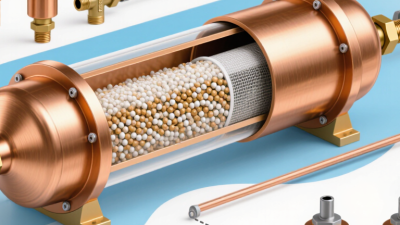
A filter drier is a small refrigeration component with a demanding job. It removes moisture, acid, debris, and other contaminants from the refrigerant circuit. Inside, desiccant material captures water before it freezes or reacts with oil. The filter also protects expansion valves and compressors from particles. Small part. Large consequence.
Brand selection matters because construction quality can vary between visually similar products. Reliable manufacturers control desiccant capacity, internal filtration, shell strength, and connection accuracy. These details affect pressure drop, leak risk, and service life. Global buyers should check technical datasheets, operating temperature ranges, refrigerant compatibility, and maximum working pressure. A certificate alone is not enough. Traceability matters too.
In field maintenance, a poorly selected drier may appear acceptable during installation. Later, moisture can cause ice formation, corrosion, or compressor damage. That failure is expensive and difficult to diagnose. Buyers should compare test methods, production consistency, packaging, and after-sales technical support. Correct sizing is equally important. An oversized unit may increase cost, while an undersized unit may restrict flow. Copper ends should remain clean and sealed until brazing. Yet specifications are not always perfectly comparable across suppliers. I would verify critical data directly and test a sample batch before large procurement.
How to Evaluate Filter Drier Brands for Global Purchasing
How to Evaluate Filter Drier Brands for Global Purchasing
Global buyers should evaluate filter drier brands through verified performance, not catalog claims. The IEA’s 2023 cooling report projects global cooling demand could more than triple by 2050. That growth increases pressure on refrigeration components. A reliable supplier should provide pressure-drop curves, moisture-capacity data, compatible refrigerant lists, and batch-level test records. Check whether documents follow recognized methods, such as ASHRAE guidance and relevant AHRI standards. Paperwork matters.
Field experience also reveals weaknesses. A drier may fit perfectly yet restrict flow after startup. Ask for core construction details, solder compatibility, maximum working pressure, and declared water capacity at defined temperatures. Compare results under realistic conditions, including low evaporating temperatures and repeated system cycling. UNEP’s 2023 technical assessments continue to emphasize refrigerant transitions and equipment efficiency. Therefore, compatibility with lower-GWP refrigerants deserves careful verification, not a casual checkbox.
Supply reliability needs equal attention. Review production capacity, lot traceability, packaging protection, warranty terms, and technical response times. Request samples from different production batches. A useful test is simple: inspect the shell, weigh the component, and measure pressure loss before installation. It is not glamorous. Still, small inconsistencies can become expensive service calls. Some published figures may also be difficult to compare because test conditions differ. That is where buyers should pause, ask sharper questions, and admit that the cheapest quotation may hide the highest lifecycle cost.
2026 Best Filter Drier Brands for Global Buyers
How to Evaluate Filter Drier Brands for Global Purchasing
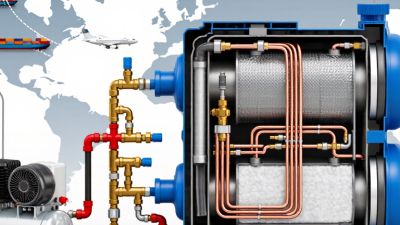
This illustrative procurement scorecard uses a 100-point evaluation model. Buyers should verify refrigerant compatibility, pressure ratings, moisture-removal performance, filtration efficiency, certifications, documentation, supply reliability, and total landed cost before selecting a filter drier supplier.
2026 Comparison of Leading Filter Drier Brands and Product Ranges
2026 Comparison of Leading Filter Drier Brands and Product Ranges
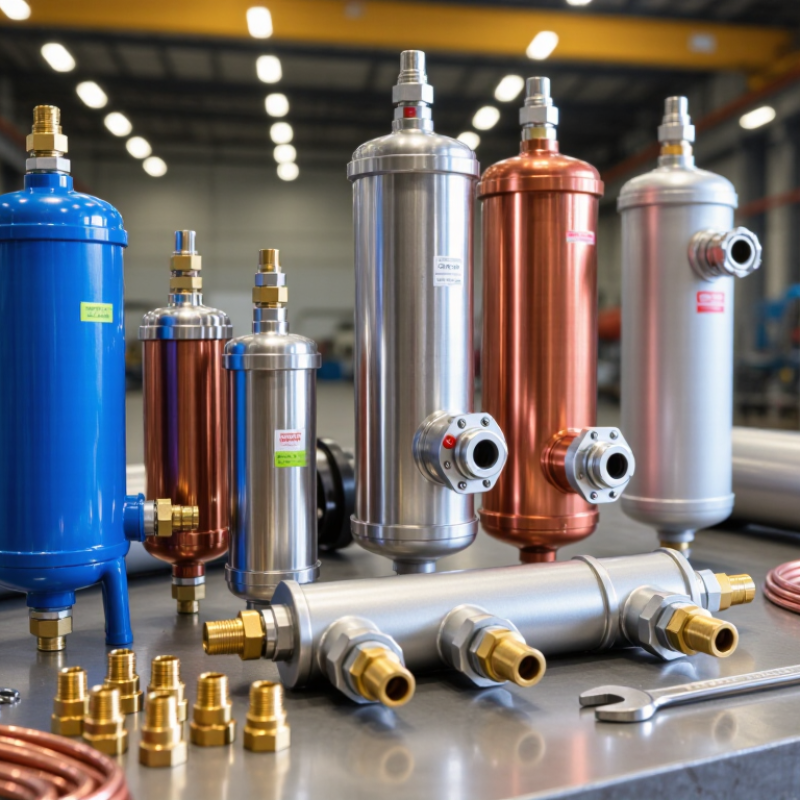
Global buyers are comparing more than brand recognition in 2026. They are checking moisture capacity, pressure ratings, connection sizes, and refrigerant compatibility. Established manufacturers often provide broad ranges for liquid-line, suction-line, and bi-flow applications. Their catalogs may include compact units for residential systems and larger replaceable-core housings for industrial equipment.
Specialist producers usually compete through focused designs. Some offer high-capacity cores for systems exposed to moisture or acid after compressor failure. Others provide slim housings for tight service spaces. Brazed copper connections remain common, while steel shells suit demanding installations. Product documentation matters here. Reliable suppliers should provide test data, installation instructions, traceability, and clear storage guidance.
Field experience reveals an uncomfortable detail. The most expensive option is not always the safest choice. A drier with the wrong flow direction can restrict a system. A small pressure drop may also become costly during peak cooling demand. I have seen purchasing teams select by price, then discover limited core availability later. That mistake is easy to repeat.
Buyers should compare replacement parts, technical support, and delivery consistency. Independent verification helps, especially when catalog claims appear unusually broad. No product range is perfect. Some suppliers offer excellent housings but weak documentation, while others provide strong data with fewer connection options. The practical choice depends on system design, service conditions, and long-term maintenance needs.
Key Standards, Certifications, and Compatibility Requirements
2026 Best Filter Drier Brands for Global Buyers?
Key standards, certifications, and compatibility requirements matter more than catalog claims. The IEA’s The Future of Cooling report projects cooling electricity demand could reach 6,200 TWh by 2050, up from about 2,020 TWh in 2016. That growth increases pressure on reliable moisture and contaminant control.
For global purchasing, request performance data tested under AHRI Standard 710. Check rated capacity, pressure drop, water adsorption, and particle filtration. The housing should match system pressure requirements under ISO 5149 or EN 378.
Refrigerant compatibility also requires careful review. ASHRAE Standard 34 and ISO 817 classify refrigerant safety and composition. Flammable refrigerants need components approved for the relevant application and installation environment.
A certificate alone is not enough. Traceable test reports, batch identification, and material declarations matter more during audits.
Tips:
Match the drier core with the refrigerant and lubricant, not only the connection size. Confirm compatibility with R-32, R-454B, CO2, or other specified refrigerants.
Check whether the product supports the required temperature range and flow direction. Ask for UL, CE, or regional approvals only when they apply to the complete component.
Some buyers overlook replacement availability after installation. That mistake can become expensive.
I would also verify pressure-drop data at actual operating conditions, because laboratory values may not reflect a hot commercial system.
How to Choose the Best Filter Drier Brand for Your Market
Choosing the best filter drier brand starts with the refrigerant, not the logo.
Confirm compatibility with the target refrigerant, oil, pressure range, and operating temperature. Then compare water capacity, acid capacity, filtration rating, and pressure drop under real test conditions. These figures should come from controlled reports, not only sales brochures.
IEA’s The Future of Cooling projects global cooling energy demand may exceed 6,200 TWh annually by 2050. It reported roughly 2,000 TWh in 2016. That growth increases the cost of small failures.
For global buyers, certification and documentation deserve equal weight.
Check pressure-test evidence, production-batch traceability, installation instructions, and local compliance documents. Where applicable, compare results against ASHRAE Standard 63.2 or equivalent testing methods. Ask for samples, then measure pressure drop and moisture performance with your own refrigerant circuit.
Field experience shows that a technically strong core can still disappoint when seals, shells, or packaging fail during shipment.
Supply continuity matters.
Review lead times, minimum order quantities, spare availability, and responses to technical questions. A low unit price can look attractive, but that judgment is often too shallow.
I would not trust a glossy catalog alone. One uncomfortable question remains: does the supplier publish test methods clearly enough for an independent engineer to challenge the numbers?