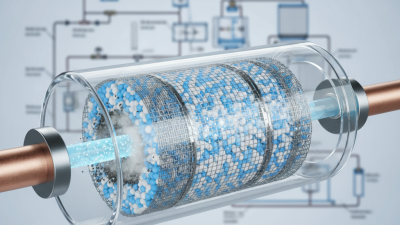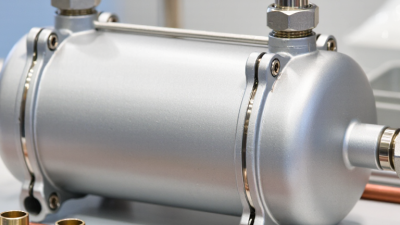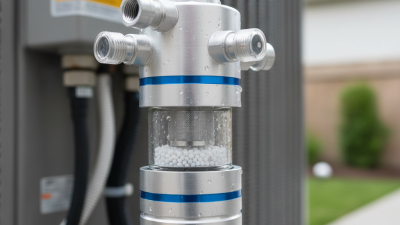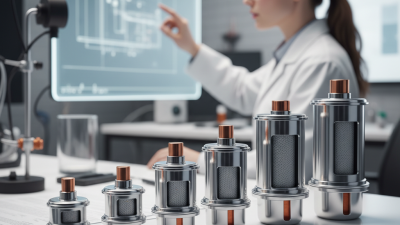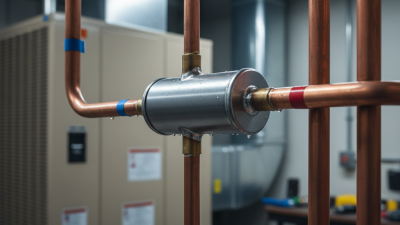
Choosing the right Refrigerant Recovery Filter Drier can protect equipment, recovered refrigerant, and the technician’s workflow. During service, moisture, acid, copper particles, and compressor debris may enter the recovery circuit. A suitable drier captures these contaminants before they reach the recovery machine or storage cylinder.
Real-world selection requires more than matching pipe size. Technicians should check refrigerant compatibility, maximum working pressure, flow direction, connection type, and filter capacity. Manufacturer specifications remain the most reliable reference. A drier designed for one refrigerant family may not perform safely with another. Small differences matter.
Inspect the service conditions carefully. A heavily contaminated system may require higher filtration capacity. A clean, lightly serviced system may need a different solution. Pressure drop is another practical concern. Excessive restriction can slow recovery and increase machine strain. That detail is easy to overlook.
The following seven tips explain how to compare filter media, connection sizes, pressure ratings, moisture-control performance, and replacement intervals. They also address installation direction and signs of saturation. A clear sight glass, unusual recovery time, or rising discharge temperature can provide useful warnings. These clues are not perfect, though. Field conditions vary, and guesswork can create expensive mistakes.
Reliable decisions come from combining hands-on inspection with technical documentation. Record the refrigerant type, system condition, operating pressure, and recovery performance before selecting a replacement. This simple habit improves consistency. It also exposes weak assumptions before they become equipment failures.
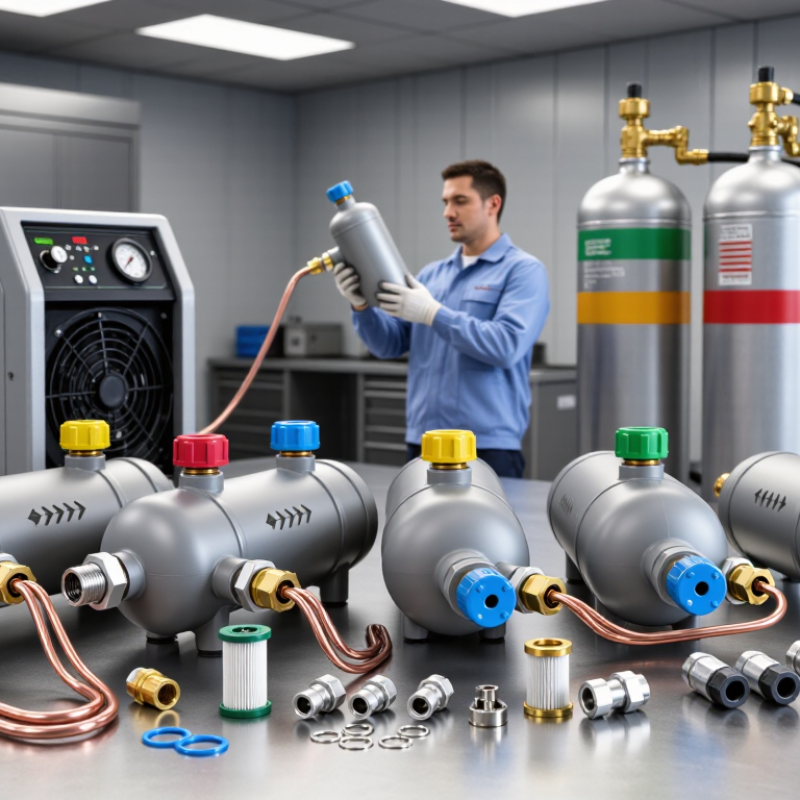
A refrigerant recovery filter drier protects equipment during transfer. It removes moisture, acid, particles, and degraded oil from the recovery stream. This small component can prevent clogged valves and damaged compressors. It also helps keep recovered refrigerant cleaner for later evaluation.
Check compatibility with the refrigerant type, oil, temperature, and operating pressure. Confirm the drier’s flow capacity against the recovery machine’s rated performance. A restrictive drier may slow recovery and increase discharge temperature. Choose connections that match the service hose, and inspect the moisture indicator during use. Replace the filter when it shows saturation or when pressure drop becomes noticeable. Do not treat it as a solution for mixed or unidentified refrigerants. It cannot separate blends or correct poor cylinder handling.
The UNEP 2022 Assessment for Decision-Makers reports that cooling demand could more than triple by 2050. That growth makes contamination control increasingly important. AHRI Standard 740 also defines laboratory methods for measuring refrigerant recovery equipment performance, including recovery rate and residual refrigerant. These figures should guide filter sizing, not guesswork.
In field work, I have seen technicians focus on price and overlook pressure loss. That choice can become expensive.
Review the manufacturer’s technical data, service history, and disposal requirements.
Select a drier with documented capacity, suitable media, and clear replacement guidance. A useful improvement is recording inlet pressure, outlet pressure, and filter condition after each recovery job.
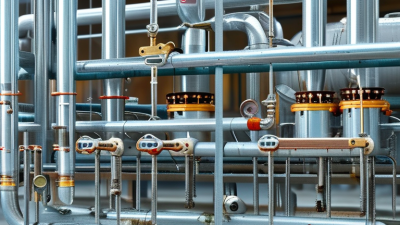
Choosing a refrigerant recovery filter drier begins with system compatibility, not cabinet size. Match the drier to the refrigerant, lubricant, pressure range, and recovery equipment. A component designed for one refrigerant family may restrict flow or react poorly with another oil. Check the manufacturer’s technical rating, but do not trust a familiar part automatically. That shortcut can be expensive.
ASHRAE Standard 34 identifies refrigerants by safety class, including toxicity and flammability. AHRI Standard 700-2019 also defines purity requirements for commonly recovered refrigerants. These references matter when a system contains moisture, acid, or non-condensable gases. The U.S. Environmental Protection Agency’s refrigerant-management guidance treats recovered refrigerant as potentially contaminated until it is properly evaluated or processed. Use that caution at the service cart. A filter drier is not a substitute for refrigerant identification.
Look for compatible seals, desiccant chemistry, connection size, and maximum working pressure. The drier should handle the expected liquid flow without creating excessive pressure drop. Temperature changes matter too. A unit that performs well in a cool workshop may behave differently beside a hot condenser.
I have seen technicians focus on moisture capacity and overlook oil compatibility. That mistake deserves a second check. Read the data sheet, compare the refrigerant’s pressure-temperature chart, and confirm the recovery machine’s approved applications before installation.
A recovery filter drier should capture particles without restricting refrigerant flow. Check its rated flow, pressure drop, and filtration rating under comparable test conditions. A low pressure drop protects recovery speed and reduces compressor stress. However, a smaller micron rating does not automatically mean better performance. The drier may clog quickly when the circuit contains sludge, copper dust, or burned oil.
Moisture capacity deserves closer attention. Ask for the desiccant’s water capacity in grams, tested with the refrigerant and temperature range you will use. AHRI Standard 700-2023 lists a 10 ppm water limit for many refrigerants, although the exact requirement varies by refrigerant type. This figure shows why “dry enough” is not a reliable field judgment. A sight glass can look clear while dissolved moisture remains inside the oil.
ASHRAE Handbook—Refrigeration, 2022, identifies moisture, acids, and solid contaminants as important causes of refrigeration system damage. In practice, weigh the recovered charge, record inlet and outlet pressure, and inspect the filter after use. A sudden pressure rise suggests loading, not superior filtration. Replace the drier before its rated capacity is reached when the system suffered compressor burnout or severe contamination. This is where selection becomes less perfect: published capacity may not reflect mixed contaminants, pulsing flow, or cold ambient conditions. Keep those limitations in the service record.
Choosing a refrigerant recovery filter drier starts at the connection points, not the product photo. In field service, I have seen a suitable-looking drier fail because one fitting was undersized. Measure the tubing outside diameter and identify the fitting standard before ordering. A loose adapter can leak, while a restricted adapter can slow recovery and increase pressure. Keep the connection exact.
Check the flow-direction arrow on the housing. It should follow refrigerant movement from the recovery equipment toward the storage cylinder, unless the equipment instructions state otherwise. Reversing the drier may reduce filtration performance or trap contaminants incorrectly. Confirm whether the unit supports bidirectional use. Do not rely on memory. Mark the inlet and outlet with a paint pen during setup. Small detail. Hoses often become tangled around the machine.
Pressure rating requires more than checking one number. Compare the drier’s maximum working pressure with the highest expected pressure for the refrigerant and ambient temperature. Allow margin for startup surges, blocked filters, and hot rooftop or vehicle conditions. Verify ratings for liquid and vapor service when applicable. A pressure gauge helps, but it cannot correct a mismatched component. I once overlooked temperature-related pressure rise during a rushed selection. The rating seemed acceptable until conditions changed. That mistake reinforced a practical habit: read the technical sheet, inspect every marking, and record the selected size, direction, and rating in the job notes.
7 Tips for Choosing a Refrigerant Recovery Filter Drier
Service life should be judged by moisture load, contamination, and pressure drop, not calendar time. A clean, lightly loaded drier may last through several service intervals. A compressor burnout can destroy its usable capacity within hours. EPA GreenChill certification criteria use annual refrigerant leak-rate thresholds of 5%, 10%, and 15%, showing why leak control and clean recovery practices matter. A saturated drier can restrict flow, raise condensing pressure, and increase compressor workload.
Installation needs often decide the real cost. Select the correct connection size, flow direction, refrigerant compatibility, and rated temperature range. Keep the replacement sealed until brazing begins. Use dry nitrogen during brazing, then leak-test and evacuate the circuit properly. Small mistakes become expensive. Service technicians should check the pressure drop before and after replacement, while recording recovered refrigerant condition and filter location.
Purchase price is only one part of the comparison. Labor, recovery time, brazing access, evacuation time, and repeat callouts can exceed the component cost. The IEA’s The Future of Cooling report projects space-cooling electricity demand could reach about 6,200 TWh by 2050. Even a modest pressure loss deserves attention in high-duty systems. I have seen low-cost choices become false savings when installation access was ignored. Sometimes, the cheaper filter drier is simply the harder one to service.
| Tip | Selection Dimension | Recommended Specification or Practice | Typical Service-Life Indicator | Installation Requirement | Relative Cost |
|---|---|---|---|---|---|
| 1 | Match the refrigerant and oil system | Choose a filter drier whose manufacturer documentation lists the refrigerant and lubricant type in use. Molecular-sieve and activated-alumina blends are commonly selected for moisture and acid control, but compatibility must be verified for the specific system. | A compatible drier generally remains effective until its desiccant capacity is consumed or the system becomes contaminated. | Confirm compatibility before installation; do not assume that a component rated for one refrigerant is suitable for every refrigerant or oil combination. | Low to medium |
| 2 | Check flow capacity and pressure drop | Select a unit with a rated flow at least equal to the recovery machine’s operating flow. A restricted drier can increase pressure drop, slow recovery, and raise discharge temperature. | Replace or inspect the drier if recovery time increases, the pressure differential rises, or the component becomes unusually cold or frosted. | Install in the correct flow direction when an arrow is provided, and use tubing sizes that do not create an unnecessary bottleneck. | Medium |
| 3 | Prioritize contaminant-holding capacity | For systems exposed to burnout debris, acid, sludge, or repeated recovery work, use a high-capacity cleanup drier rather than a basic moisture-only model. A larger shell usually provides more media and contaminant capacity. | Heavy contamination shortens service life; replacement may be required after one cleanup cycle or when acid and particulate tests remain abnormal. | Install temporary cleanup filtration where required, then replace it with a standard system drier after the system has been cleaned and evacuated. | Medium to high |
| 4 | Choose the correct connection size | Use connections that match the recovery hose or pipework without relying on multiple reducers. Common refrigeration connection sizes include 1/4, 3/8, and 1/2 inch, but the actual size must match the equipment and rated flow. | Correct sizing reduces vibration, leakage risk, and pressure loss, helping the drier reach its expected operating life. | Use approved fittings, keep the circuit clean, and perform a leak test after assembly. Avoid damaging flare seats or threaded connections. | Low to medium |
| 5 | Evaluate installation and replacement time | For frequent field service, a replaceable-core housing can reduce recurring waste and allow the filter element to be changed without replacing the entire shell. A sealed, disposable drier is usually faster for occasional work. | Replaceable cores are serviced when the core is saturated or contaminated; sealed units are replaced as a complete assembly. | Replaceable-core housings require access clearance, isolation valves, pressure relief, and careful evacuation before opening. | Higher initial cost; lower recurring waste |
| 6 | Compare pressure and temperature ratings | The maximum working pressure and allowable temperature must meet or exceed the recovery circuit conditions. Do not select only by physical size; refrigerant pressure varies significantly among systems. | Operating within the rated limits helps prevent shell damage, seal failure, and premature replacement. | Verify the rating on the component label or technical data sheet, and install protective controls required by the recovery equipment. | Medium |
| 7 | Calculate total cost, not just purchase price | Compare purchase price, rated flow, replacement frequency, labor, refrigerant loss from service, disposal requirements, and downtime. A higher-capacity drier can be more economical when contamination or recovery volume is high. | Track recovery time, pressure drop, moisture readings, acid-test results, and the number of jobs completed per unit. | Maintain an inspection and replacement record; follow applicable refrigerant-handling, pressure-equipment, and waste-disposal regulations. | Varies by application |
Note: Performance, service life, pressure drop, and cost vary with refrigerant type, oil, contamination level, flow rate, temperature, installation method, and the component manufacturer's published ratings. Always verify the technical data sheet before use.