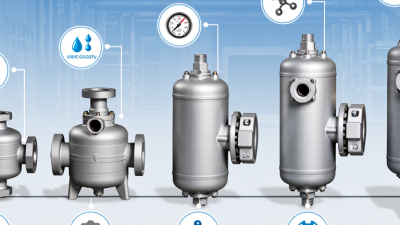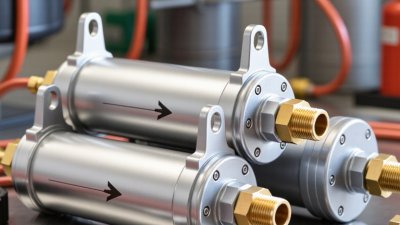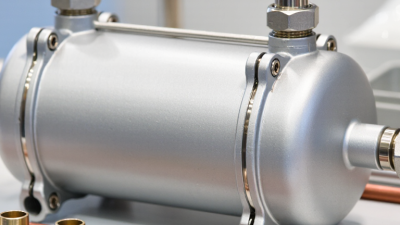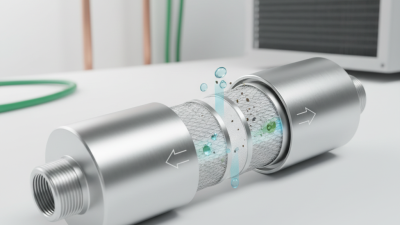
A Refrigerant Recovery Filter Drier protects recovered refrigerant and recovery equipment from moisture, acid, particles, and compressor debris. It is installed in the recovery line, where contaminated refrigerant passes through a replaceable filter core before entering the recovery machine or storage cylinder. In practical service work, technicians may notice pressure changes, restricted flow, or unusual discoloration when a drier is overloaded. Small details matter. A damp hose can introduce moisture. A dirty connection can carry grit into the system.
The Refrigerant Recovery Filter Drier also supports cleaner handling during system repair and refrigerant reclamation. Its desiccant material captures harmful moisture, while the filter section traps solid contaminants. Correct sizing depends on refrigerant type, recovery rate, system capacity, and the manufacturer’s instructions. Never treat one model as universal. That assumption can cause trouble.
Use approved hoses, secure connections, and suitable service equipment. Technicians should inspect the drier regularly and replace it when pressure drop or contamination indicates reduced performance. Manufacturer data and current technical guidance remain essential, especially for unfamiliar equipment. Field experience helps, but it is not enough by itself. Some failures are easy to misread. A restricted drier may resemble a failing recovery machine, although the real cause may be a blocked hose or excessive liquid carryover. Careful diagnosis prevents wasted time and protects the equipment. This guide explains how a Refrigerant Recovery Filter Drier works, where it fits, and what technicians should consider before installation or replacement.
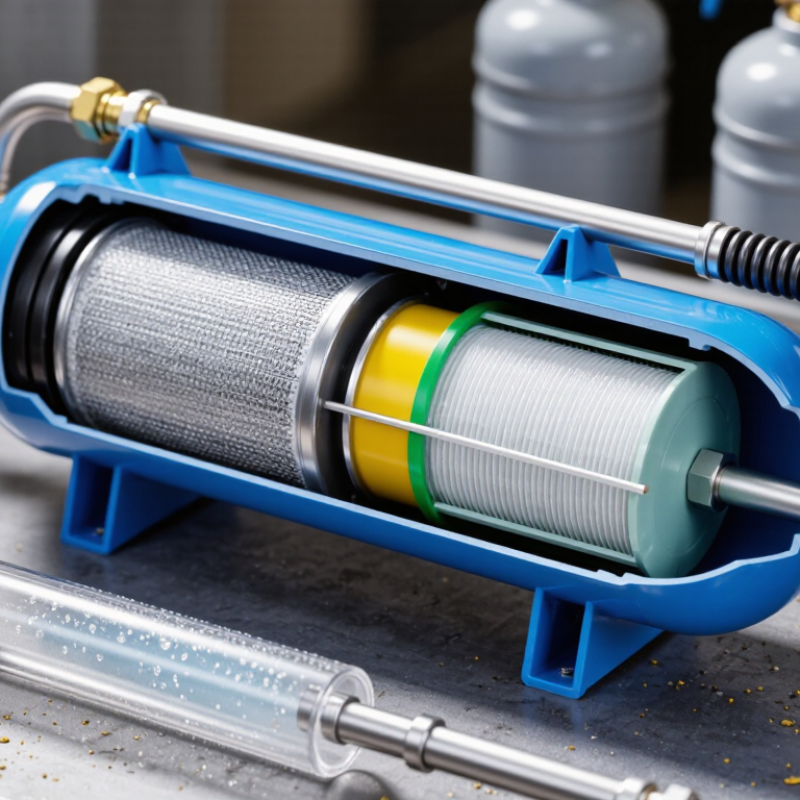
A refrigerant recovery filter drier is an inline component used during refrigerant recovery and transfer. It filters contaminants and reduces moisture before they reach the recovery machine or storage cylinder. The device commonly contains a desiccant core, a fine filter, or both. Its job sounds simple. Its protection is not.
During service, refrigerant may carry metal particles, degraded oil, sludge, or acidic compounds. Moisture can also enter through open hoses, loose fittings, or a damaged system. The filter drier captures these materials and helps protect valves, pumps, and internal passages. In practical work, technicians often install it between the system outlet and the recovery machine. Correct flow direction matters. A reversed connection can reduce performance or create unnecessary restriction.
A technician should check the filter drier’s rated capacity, pressure compatibility, and connection size before use. Watch the pressure readings during recovery. A rising pressure difference may indicate saturation or blockage. Replace the component when contamination is visible, recovery becomes slow, or the pressure drop increases noticeably. Do not treat it as a permanent part. That assumption causes trouble.
Clean hoses and dry tools still matter. A filter drier cannot correct careless handling. I have seen service setups where the filter was installed correctly but changed too late. The machine then showed unstable operation. That detail is easy to miss, especially during rushed maintenance. Always follow the equipment instructions and use suitable protective procedures.
| Data Dimension | Description | Practical Information |
|---|---|---|
| Definition | A refrigerant recovery filter drier is an in-line service component used during refrigerant recovery and system cleanup. | It combines particulate filtration with moisture and contaminant adsorption before recovered refrigerant enters the recovery machine or storage cylinder. |
| Primary Function | To protect recovery equipment and reduce contamination in the recovered refrigerant circuit. | The device can help capture debris, compressor wear particles, acid-related contaminants, and limited amounts of moisture. |
| Typical Installation Point | It is commonly installed in the recovery hose or recovery line between the air-conditioning or refrigeration system and the recovery machine. | The filter drier should be installed according to the flow-direction arrow and the equipment manufacturer’s instructions. |
| Contaminants Addressed | Common contaminants include solid particles, moisture, acid compounds, and oil-related residue. | A recovery filter drier is not a substitute for flushing, evacuation, or complete system cleanup when severe contamination is present. |
| Filter Media | The assembly generally uses a porous filter element combined with desiccant materials. | Desiccants commonly used in refrigeration service include molecular sieves and activated alumina, selected according to the intended application. |
| Compatible Refrigerants | Compatibility depends on the filter drier’s seal materials, pressure rating, refrigerant listing, and oil compatibility. | Always verify compatibility for the specific refrigerant, including commonly used HFC, HFO, HCFC, and selected natural refrigerants where approved. |
| Connection Type | Connections are selected to match the recovery hose and equipment configuration. | Common service connections include flare-style fittings and hose-end configurations; the correct size must be confirmed before installation. |
| Flow Direction | Many filter driers are directional components. | Installing the component backward may reduce filtration performance or increase pressure drop, so the marked flow direction must be followed. |
| Pressure Consideration | The allowable working pressure is model-specific and must be higher than the expected operating pressure of the recovery circuit. | Pressure ratings vary by design and application; never select a filter drier based only on connection size. |
| Effect on Recovery | The component can improve protection and cleanliness but also adds resistance to refrigerant flow. | A clogged or undersized filter drier may increase pressure drop and slow the recovery process. |
| Replacement Indicators | Replacement is recommended when the filter is visibly contaminated, restricted, damaged, or exposed to a heavily contaminated system. | A noticeable rise in pressure drop, reduced recovery speed, or evidence of moisture and debris are practical warning signs. |
| Safety Requirement | Recovery work must be performed with equipment and procedures suitable for the refrigerant being handled. | Technicians should use appropriate personal protective equipment, avoid venting refrigerant, and follow applicable refrigerant-handling regulations. |
| Main Limitation | A filter drier does not remove every type of contamination and does not repair the cause of system failure. | After recovery, severely contaminated systems may require component replacement, flushing, evacuation, and fresh system filtration. |
What Is a Refrigerant Recovery Filter Drier?
How Its Filter Core Removes Debris and Moisture Below 500 Microns
A refrigerant recovery filter drier protects recovery equipment from contamination. Its filter core catches metal dust, carbon flakes, seal fragments, and other solid debris. Some cores are designed to capture particles below 500 microns. Performance depends on the media, flow rate, and pressure drop.
The core also contains desiccant material. This material attracts and holds water from the refrigerant circuit. Moisture can freeze inside narrow passages or react with oil and refrigerant, causing corrosion and acid formation. The filter drier helps reduce these risks during recovery, but it does not replace proper evacuation or leak testing.
The 500-micron figure needs careful interpretation. It usually describes particle filtration, not a guaranteed moisture level. A clogged core may also restrict flow before it looks dirty. Technicians should check pressure differences and follow the equipment manufacturer’s replacement guidance. A cold, damp recovery cylinder is a warning sign. So is unusual pump noise.
A common mistake is treating every filter drier as identical. Core construction matters. So does installation direction. Field conditions are rarely perfect, and a filter may load faster than expected after compressor damage. Replacing it early can be wiser than forcing contaminated refrigerant through the recovery machine.
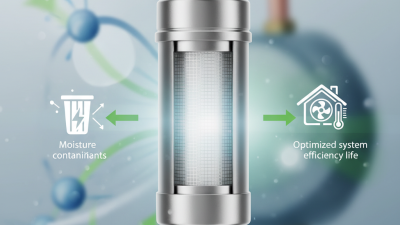
A filter drier combines mechanical filtration with desiccant adsorption. The filter core captures solid debris, while the desiccant removes moisture from the refrigerant stream. The chart shows real particle-size conversions used to illustrate the sub-500-micron scale; actual capture performance depends on the core design, flow rate, and operating conditions.
Key point: 500 microns equals 0.5 millimeters. Particles below this size can include fine metal fragments, carbon, and other system debris. Moisture is not removed by micron screening alone; it is primarily adsorbed by the desiccant material inside the filter drier.
What Is a Refrigerant Recovery Filter Drier?
Why Molecular Sieves Control Moisture in Recovered Refrigerant
A refrigerant recovery filter drier cleans the refrigerant stream before it enters the recovery cylinder. It can capture moisture, acid-forming compounds, and fine particles, depending on its design. Moisture is the difficult contaminant. It may remain invisible inside clear tubing, yet later freeze near a restriction or react with oil.
Molecular sieves control this risk through adsorption. Their tiny pores attract and hold water molecules while refrigerant flows through the drier. This structure works selectively, even when the refrigerant appears clean. In service work, technicians often find that recovered refrigerant contains more moisture than expected after a compressor failure or open-system repair. The sieve is not magic. Its capacity is limited, and saturated material cannot protect the system reliably. Ignoring replacement can create a false sense of cleanliness.
Tips: Install the drier in the correct flow direction. Keep connection points capped before assembly. Replace the element when pressure drop increases, contamination is severe, or the service guidance requires it. Check moisture with suitable testing equipment rather than relying only on appearance. Also, avoid assuming one drier fits every refrigerant or recovery rate. That assumption can be costly. A careful technician records cylinder condition, recovery time, and filter changes, then reviews those records when performance seems unusual.
A refrigerant recovery filter drier is a replaceable protection component inside recovery equipment. It captures moisture, acid residues, metal particles, and other contaminants before they reach the recovery compressor. The result is cleaner refrigerant flow and less mechanical stress.
Its position matters. Many systems place the drier in the inlet path, between the service connection and recovery compressor. This arrangement protects internal valves and moving parts during recovery. However, the exact location depends on the equipment design and the manufacturer’s service procedure. A drier cannot correct a blocked hose or an incorrectly connected cylinder.
AHRI Standard 740-2019 evaluates recovery and recycling equipment through controlled tests. These tests examine recovery performance, evacuation capability, and refrigerant handling conditions. The filter drier supports that performance, but it does not make equipment AHRI 740 compliant by itself. Compliance depends on the complete tested system.
The Global Cooling Watch 2023 report projects that cooling demand could more than triple by 2050 under business-as-usual conditions. More recovery work means greater exposure to contaminated refrigerant and worn components. Small filters may carry a large responsibility.
A saturated drier can slow recovery and increase compressor workload. Technicians should inspect it after contaminated or burnt-out systems. Replacement intervals should follow measured conditions, not habit alone. This is where practice becomes less perfect: a clean-looking drier may still hold moisture, while an early replacement may prevent a costly failure. AHRI 740 verifies equipment performance under defined conditions, not every field mistake.
How to Select Capacity, Refrigerant Compatibility, and Pressure Rating
A refrigerant recovery filter drier removes moisture, acid residues, and solid debris during refrigerant recovery. It protects the recovery machine, hoses, and storage cylinder. In field service, a clogged drier often appears as rising pressure drop or slower recovery. Capacity should match the refrigerant charge and expected flow rate. System tonnage alone can mislead. A small residential system needs less contaminant-holding capacity than a heavily contaminated commercial system.
Check the product’s rated refrigerant compatibility before installation. Different refrigerants can react differently with filter materials, seals, and lubricating oils. Confirm compatibility with the refrigerant type, oil condition, and recovery temperature. Blended refrigerants deserve extra care. Their composition may shift if handling is poor.
I once treated a clean-looking system as harmless, but the removed drier contained dark oil and fine metal particles. Visual inspection is useful, but it is not enough.
Pressure rating is equally important. Select a drier with a maximum working pressure above the recovery circuit’s operating pressure. Account for high ambient temperatures and pressure spikes. Do not rely only on the hose rating. Every connection must tolerate the same pressure range. Verify the manufacturer’s technical data, flow direction, port size, and replacement interval. Some guidance is easy to overlook. That is where mistakes happen. A pressure-safe, compatible drier with adequate capacity supports cleaner recovery and more reliable equipment operation.