Leave Your Message
Choosing the right Refrigerant Recovery Filter Drier manufacturer requires more than comparing product prices. It demands practical knowledge of recovery equipment, refrigerant chemistry, system cleanliness, and service conditions. A reliable manufacturer should provide consistent desiccant performance, strong shell construction, accurate flow ratings, and clear replacement guidance. These details matter when technicians connect hoses in a hot mechanical room, where moisture, acid, and metal particles can quickly damage compressors.
Dr. Rajan Rajendran, a respected refrigeration sustainability specialist, has stated, “The best refrigerant is the one that is recovered and reused.” His principle highlights the filter drier’s role in responsible recovery work. It protects recovery machines while helping preserve refrigerant quality for later handling. However, no single manufacturer suits every application. Some brands excel in high-capacity commercial systems, while others focus on compact service tools or specialized refrigerant blends.
This guide examines leading Refrigerant Recovery Filter Drier manufacturers through measurable criteria. These include filtration efficiency, moisture capacity, pressure-drop control, material quality, technical support, and field reliability. Manufacturer documentation also deserves attention. It should identify compatible refrigerants, operating limits, connection sizes, and safe installation practices. Small omissions can create expensive problems.
The comparison is not perfect. Product performance may change across different recovery machines, climates, and maintenance routines. Real-world feedback can also conflict with laboratory specifications. That is worth remembering. A strong purchasing decision combines published data, technician experience, independent testing, and careful application matching. The best choice is not always the most famous brand. It is the one that performs reliably under the actual conditions your recovery system faces.
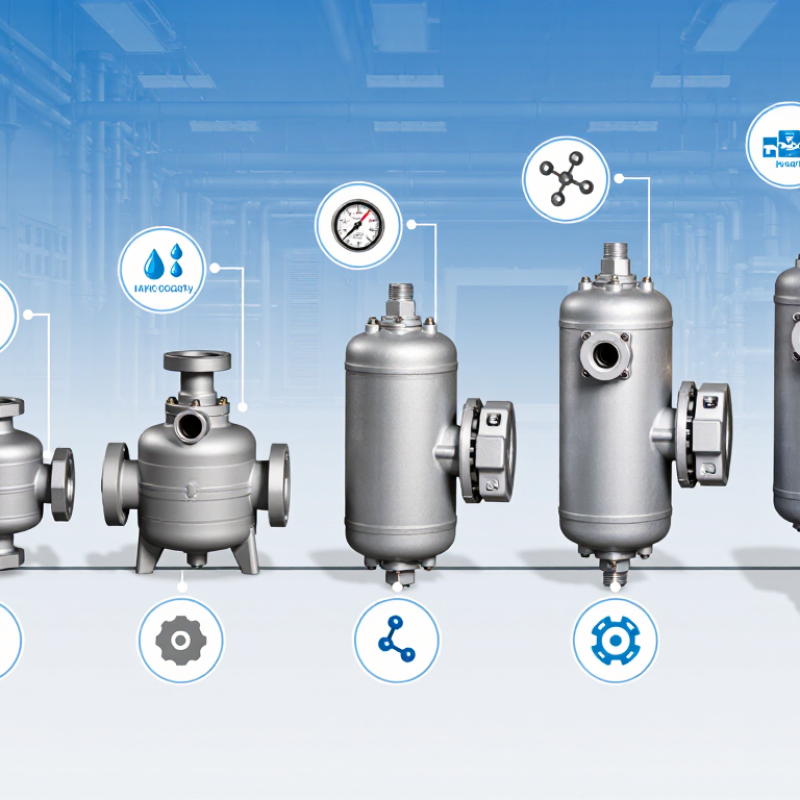
What Is a Refrigerant Recovery Filter Drier?
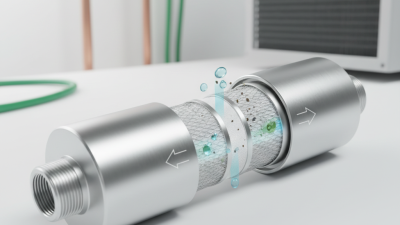
A refrigerant recovery filter drier is an inline component used during refrigerant removal and transfer. It traps moisture, acid compounds, copper particles, sludge, and compressor debris. These contaminants can damage recovery equipment and reduce the quality of stored refrigerant.
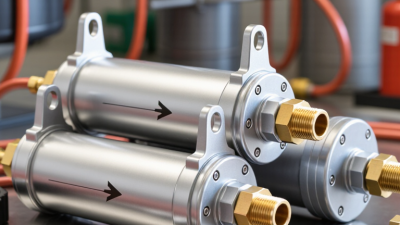
The drier sits between the system and recovery machine. Its arrows must follow the refrigerant flow. A wrong installation can restrict flow or cause pressure loss. In field servicing, technicians should check the filter’s refrigerant compatibility, oil compatibility, connection size, and rated capacity. A clean exterior proves little. Pressure drop and contamination matter more.
The need for careful recovery is growing. The International Energy Agency’s The Future of Cooling report projects global space-cooling energy demand could more than triple by 2050, reaching about 6,200 TWh. More equipment means more refrigerant handling. The United Nations Environment Programme also reports that the Kigali Amendment targets an 80–85% reduction in hydrofluorocarbon use for many country groups. Recovery quality will therefore influence both equipment protection and refrigerant reuse.
A filter drier is not a complete purification system. It cannot remove every mixed refrigerant, severe oil contamination, or unknown chemical residue. That limitation deserves attention. Selecting a cartridge only by price may create hidden maintenance costs. Technicians should replace saturated filters promptly and document pressure, refrigerant type, and recovered condition. Industry standards, including AHRI 740, provide useful performance references for recovery equipment evaluation.
| Filter-Drier Configuration | Primary Function | Typical Filter Media | Common Refrigerant Applications | Typical Installation Point | Key Selection Factors | Service Considerations |
|---|---|---|---|---|---|---|
| Bi-directional recovery filter drier | Removes moisture, acid, particles, and other contaminants while refrigerant flows in either direction. | Molecular sieve, activated alumina, and particulate filtration media. | Systems using reversible or bidirectional refrigerant flow, including many heat-pump applications. | In the recovery or transfer line where flow direction can change. | Bidirectional flow capability, pressure-drop rating, connection size, refrigerant compatibility, and total system capacity. | Install according to the marked flow direction if the specific model is not rated for reverse flow. Replace after major contamination or compressor burnout. |
| High-capacity solid-core filter drier | Provides high contaminant-holding capacity during recovery, evacuation, charging, or system cleanup. | Replaceable or non-replaceable desiccant solid core with an outer particle filter. | Commonly selected for larger commercial refrigeration and air-conditioning systems. | Recovery manifold, liquid line, suction line, or temporary cleanup circuit, depending on the product design. | Desiccant capacity, allowable pressure drop, maximum working pressure, flow rate, and serviceability. | Monitor pressure drop. A heavily loaded drier can restrict flow and increase recovery time. |
| Disposable inline filter drier | Captures particulate contamination and absorbs a limited amount of moisture and acid during service work. | Compact desiccant bed with fine particulate filtration. | Portable recovery equipment and small to medium HVAC or refrigeration circuits. | Between the service hose and recovery machine or recovery cylinder, when approved by the equipment instructions. | Hose or flare connection, rated flow, maximum working pressure, refrigerant compatibility, and replacement availability. | Use only once unless the manufacturer specifically states otherwise. Dispose of the used component in accordance with local regulations. |
| Burnout cleanup filter drier | Helps remove acid, moisture, carbon, sludge, and other contaminants after a hermetic compressor burnout. | High-acid-capacity desiccant, commonly including activated alumina and molecular sieve. | Refrigeration and air-conditioning systems contaminated by compressor motor burnout or severe chemical degradation. | Usually installed in the suction line during cleanup; a liquid-line drier may also be required by the service procedure. | Acid-removal capacity, pressure-drop performance, system tonnage, and compatibility with the refrigerant and oil. | Test refrigerant or oil for acidity and change the drier as required. Cleanup procedures should follow the equipment manufacturer’s instructions. |
| Liquid-line filter drier | Protects the expansion device and compressor by removing moisture, acids, and solid contaminants from liquid refrigerant. | Desiccant blend with a fine-mesh particulate filter. | Fixed-flow HVAC, refrigeration, heat-pump, and condensing-unit systems. | In the liquid line, normally downstream of the receiver and upstream of the metering device. | Refrigerant type, system capacity, connection diameter, maximum working pressure, and acceptable pressure drop. | Install with the correct flow direction. A temperature or pressure-drop check can help identify restriction during service. |
| Suction-line filter drier | Protects the compressor by filtering debris and absorbing moisture or acid returning from the evaporator. | High-flow particulate filtration with moisture- and acid-absorbing desiccant. | Systems undergoing cleanup after component failure, retrofit, or refrigerant contamination. | In the suction line immediately upstream of the compressor, when specified for the cleanup procedure. | High gas-flow capacity, low pressure drop, suction-line temperature range, and contaminant-holding capacity. | Remove or replace after the system is clean if the component is intended only for temporary cleanup service. |
| Replaceable-core filter drier shell | Allows the service technician to replace the desiccant core without replacing the entire shell. | Interchangeable cores for moisture removal, acid cleanup, or particulate filtration. | Large commercial and industrial refrigeration or air-conditioning systems. | Permanent liquid-line or suction-line shell installed with isolation valves for maintenance. | Shell volume, core type, rated flow, maximum working pressure, valve arrangement, and replacement-core availability. | Isolate and depressurize the shell safely before opening. Replace seals or gaskets as required and check for leaks after service. |
| Coreless high-flow recovery filter | Reduces particle contamination during high-volume refrigerant transfer while minimizing flow resistance. | Mechanical particulate screen or filter element; moisture capacity varies by design. | Recovery operations where debris protection and high flow are more important than extended desiccant adsorption. | On the recovery hose or transfer circuit, subject to the recovery machine’s operating instructions. | Flow capacity, pressure drop, particle-retention rating, connection type, and maximum working pressure. | Do not assume a particle filter provides significant moisture or acid removal. Use a desiccant filter drier when chemical cleanup is required. |