Choosing a replacement or upgraded Refrigerator Evaporator is not simply a matter of matching dimensions. The component must cooperate with the compressor, expansion device, airflow path, and defrost system. A small mismatch can cause uneven cooling, heavy frost, or a compressor that runs too long. Fit matters.
This guide presents seven practical tips for evaluating an evaporator before purchase or installation. It focuses on coil type, refrigerant compatibility, cooling capacity, material quality, defrost design, cabinet fit, and supplier support. These points reflect common checks used by appliance technicians and careful repair professionals. Always confirm the appliance model, service manual, and refrigerant requirements. A product page alone may omit important details.
Real-world inspection also matters. Look for crushed fins, weak brazed joints, exposed copper, and insulation gaps. Listen for airflow changes after installation, then check temperatures across several shelves, not only near the outlet. Small details matter. A reliable evaporator should support stable temperatures without excessive frost or unusual noise. Yet no single choice suits every refrigerator. Older cabinets may contain hidden corrosion or damaged wiring, and those problems can mislead even experienced installers. This guide leaves room for uncertainty, encouraging measured checks instead of confident guesses. The goal is a safe, efficient, and serviceable decision that matches the refrigerator’s actual condition.
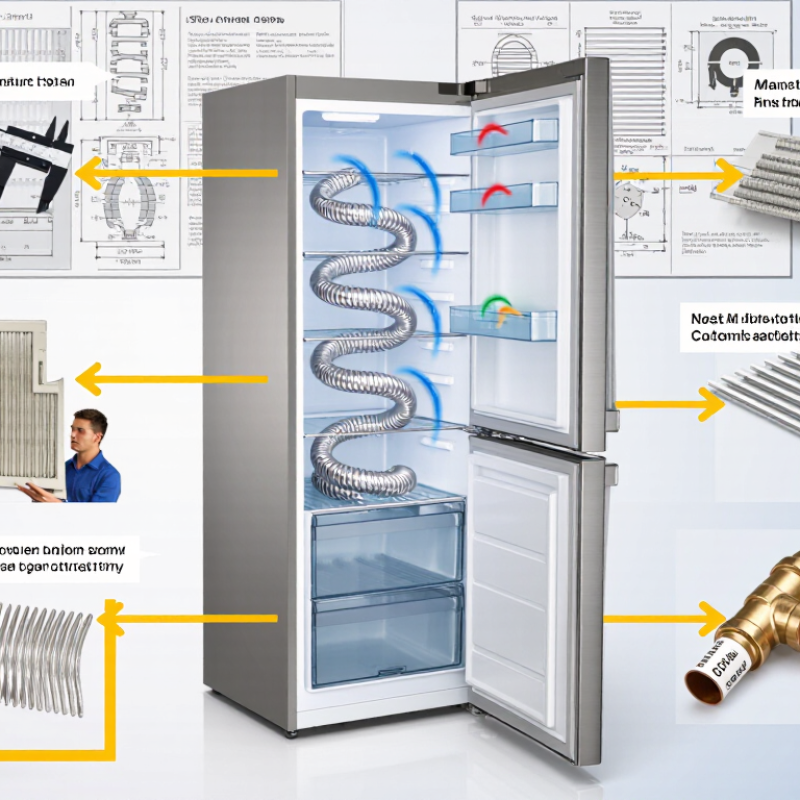
Before choosing a refrigerator evaporator, identify the cooling system inside the cabinet. Check the specification label or service manual for this detail. A single-cooling system often uses one evaporator for both compartments. A dual-cooling system may use separate evaporators, fans, and temperature controls. This difference affects humidity, energy use, and food odors.
Count the evaporator type as another practical tip. A finned-tube evaporator usually works with a fan and supports fast, even cooling. A plate evaporator may cool quietly, but frost can build up more visibly. A roll-bond evaporator is compact and often sits behind an internal panel. Look for the evaporator location, airflow path, and defrost method. These clues reveal how the refrigerator really operates.
Check whether the unit uses automatic defrost, timed defrost, or sensor-controlled defrost. Inspect the fan for unusual noise, weak airflow, or repeated stopping. Ask for the refrigerant type and rated operating temperature from qualified documentation. Do not select an evaporator only by matching its shape. Tube diameter, pressure rating, fin spacing, and refrigerant compatibility must also agree. Measure carefully. I once assumed two similar coils were interchangeable, but their mounting points differed. That small mistake caused poor airflow and unnecessary installation work. A technician should verify the system before replacement, especially when the cooling pattern looks uneven.
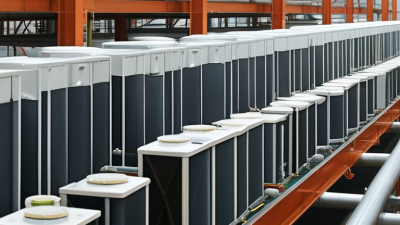
Identify the refrigerator’s cooling system and evaporator type
How to use this chart: The temperature ranges represent typical evaporator operating conditions for common household refrigeration zones. Lower evaporator temperatures are required for freezer and ice-making applications, while refrigerator compartments generally operate at warmer temperatures.
Match the evaporator size to the refrigerator’s usable capacity, not its outside dimensions. A larger cabinet needs more cooling surface and stronger heat transfer. However, capacity alone is not enough. ASHRAE refrigeration guidance separates the load into wall transmission, door infiltration, product pull-down, and internal electrical heat. Each load affects evaporator selection.
Use adjusted volume as a dependable starting point. The U.S. Department of Energy’s refrigerator test procedures measure energy performance through adjusted storage volume and 24-hour electricity use. AHAM Standard HRF-1 also distinguishes adjusted volume from simple shelf volume.
This matters because shelves, drawers, insulation, and freezer space change the real cooling demand. A 500-liter cabinet may not need twice the evaporator size of a 250-liter model.
Oversizing can create short cycling, uneven temperatures, and excessive frost. Undersizing may leave the rear wall cold while door shelves remain warm. That difference is easy to notice during daily use. ASHRAE also identifies door openings and warm food loading as major intermittent loads. Therefore, select an evaporator after estimating usage frequency, ambient temperature, and target temperatures. A neat capacity rule can still mislead. Measure the actual load when possible. I would also leave a modest design margin, but not an unlimited one. Too much margin often hides a weak airflow design.
Material quality deserves close attention when selecting a refrigerator evaporator. In field inspections, I have seen attractive surfaces hide weak tubing and uneven coatings. A shiny finish proves very little. Ask whether the core uses suitable copper or aluminum, with consistent thickness and clean forming.
Corrosion resistance matters even more in humid kitchens, cold rooms, and coastal areas. Moisture can collect around bends, joints, and drain pans. Look for protective coatings that remain stable during temperature changes.
The coating should bond evenly, without bubbles, cracks, or exposed metal. Check compatibility with the refrigerant, cleaning chemicals, and insulation materials used in the system. Small details matter.
Inspect the brazed or welded joints carefully. They should appear smooth and continuous, not dark, porous, or heavily uneven. Request corrosion-test data, material certificates, and production inspection records from the supplier. These documents cannot replace a physical inspection, but they improve purchasing confidence.
If possible, compare a sample after humidity or salt-spray testing. Not every test reflects real kitchen conditions. That is worth remembering.
I once trusted a thick-looking coating and overlooked a poorly sealed joint. The evaporator later showed corrosion near the connection. A second opinion would have helped. Choose verified materials, clear manufacturing records, and a design suited to the actual operating environment.
7 Tips for Choosing a Refrigerator Evaporator
Tip 1: Compare defrost methods. Automatic defrost uses a heater and timer to remove ice, keeping airflow steady. Manual defrost can use less electricity, but frost buildup reduces cooling space. Tip 2: Check the defrost cycle carefully. Frequent heater operation may increase energy use. Rare cycles may leave hidden ice behind.
Tip 3: Examine energy performance, not only the advertised rating. A larger evaporator can cool efficiently, but its fan may consume more power. Tip 4: Look for strong, even airflow across the cabinet. Cold corners often indicate poor air movement or an undersized evaporator. Tip 5: Consider insulation and door-opening habits. Even an efficient evaporator struggles with warm air entering repeatedly.
Tip 6: Ask how quickly the system recovers after loading fresh food. A responsive evaporator should restore safe temperatures without creating thick frost. Tip 7: Use a simple thermometer during evaluation. Measure the upper and lower shelves at different times. Small differences matter. In practical selection, perfect performance is unlikely; lower energy use may bring slower recovery, while faster cooling can require more fan or compressor activity. Review service access, noise, and replacement costs before deciding.
A suitable evaporator must match the refrigerator’s model, cooling capacity, refrigerant, and control system. Check the service manual and the original part number before ordering. Measure the coil, tubing positions, mounting holes, and available clearance. A few millimeters can matter. Verify the refrigerant type and operating pressure with a qualified technician. Never rely on appearance alone. Two similar coils may perform differently. Confirm electrical requirements for sensors, fans, and defrost controls. Ask whether existing connectors can be reused safely.
Study the installation requirements in detail. Check access through doors and panels before delivery. Inspect insulation, drain paths, and airflow space around the coil. Confirm whether brazing, vacuum evacuation, leak testing, or refrigerant charging is required. These tasks need trained service personnel and proper instruments.
I once underestimated a drain location, and condensation later reached the cabinet floor. That mistake was preventable. Leave room for future cleaning and inspection. Keep photos of the original connections before removal.
Long-term support deserves equal attention. Request written information about spare parts, technical documents, warranty coverage, and service response times. Ask how replacement sensors, brackets, and seals will be sourced several years later. Reliable suppliers should provide traceable specifications, not vague promises. Check whether support is available in your region and language. Record the installer’s test results after commissioning, including temperature, pressure, and defrost performance. Recheck cooling after several days. Early performance can look acceptable, yet airflow problems may appear later. Choose evidence over convenience.