Essential Tips for Choosing the Right Heat Pump Filter Drier?
Choosing the right Heat Pump Filter Drier is crucial for optimal system performance. According to a recent industry report by the Air-Conditioning, Heating, and Refrigeration Institute (AHRI), improper filtration can lead to a significant drop in efficiency—up to 30% in some cases. This inefficiency not only raises energy costs but can also reduce the lifespan of the heat pump system.
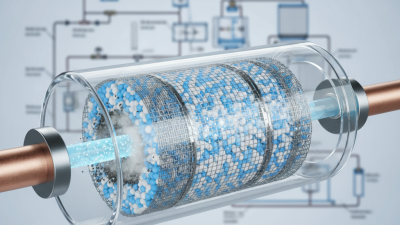
Filters need to capture moisture and debris effectively. In fact, a study by the National Institute of Standards and Technology (NIST) shows that over 75% of heat pump failures are linked to contaminated systems. Selecting the right filter drier is a foundational step in ensuring reliable operation. However, many users overlook this aspect or lack sufficient knowledge to make informed decisions.
The market has a wide range of options, yet it's easy to feel overwhelmed. Some filters may not be compatible with certain refrigerants or may have varying performance ratings. It’s essential to research and choose wisely. Relying on expert advice and consulting product specifications helps in making a better choice. Recognizing the importance of this component is the first step to enhancing your heat pump's efficiency and longevity.
Understanding the Role of Heat Pump Filter Driers in HVAC Systems
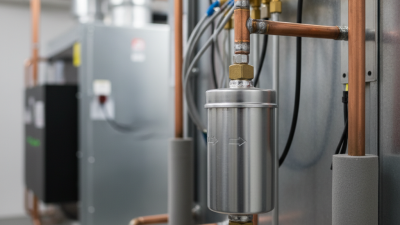
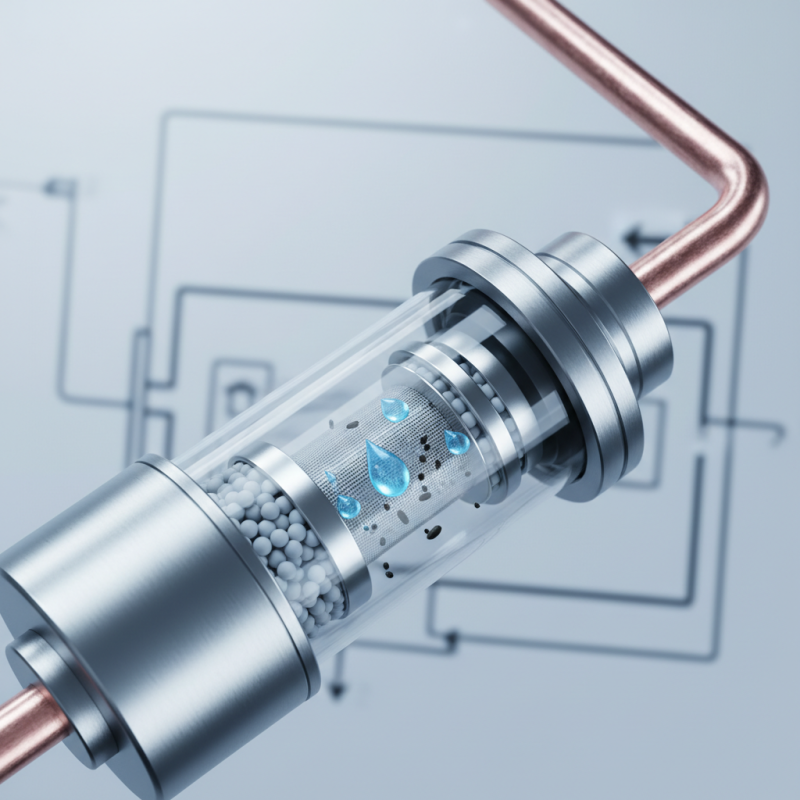
Heat pump filter driers play a crucial role in HVAC systems. They help remove moisture and contaminants from refrigerants. This is essential for system efficiency and longevity. When choosing a filter drier, consider its compatibility with your specific heat pump type. Each system has unique requirements.
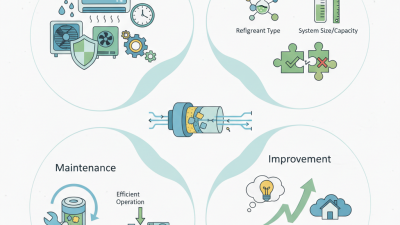
One tip is to check the size and capacity of the filter drier. If it's too small, it won't effectively remove impurities. Too large, and it may not fit well within your system. Another important factor is the type of desiccant used. Different desiccants have varying absorption capabilities. Choosing the right one can impact your system's performance.
Evaluate installation and maintenance requirements as well. Some filter driers are easier to install and replace than others. This can save you time and effort during servicing. Pay attention to these details. They can significantly affect the optimal functioning of your HVAC system over time. Select wisely for better efficiency.
Essential Tips for Choosing the Right Heat Pump Filter Drier - Understanding the Role of Heat Pump Filter Driers in HVAC Systems
| Feature |
Importance |
Recommendation |
| Filter Type |
Prevents refrigerant contamination |
Consider a filter drier with a molecular sieve for better moisture removal. |
| Capacity |
Ensures efficient operation of the heat pump |
Match the filter drier capacity to your heat pump's refrigerant charge. |
| Compatibility |
Avoids system damage |
Ensure the filter drier is suitable for the type of refrigerant used. |
| Size and Design |
Fits within system constraints |
Select a compact design that still provides adequate performance. |
| Price |
Cost-effective solutions |
Choose a balance between cost and quality for long-term savings. |
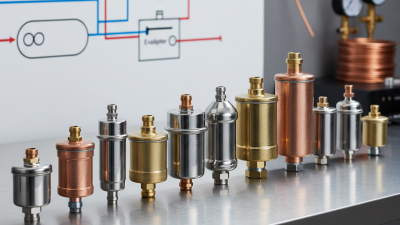
Types of Heat Pump Filter Driers Available on the Market
When selecting a heat pump filter drier, understanding the types available is crucial. There are primarily two categories:
liquid and
suction filter driers.
Liquid filter driers are designed to be installed on the liquid line.
They help in removing moisture and contaminants effectively.
Suction filter driers, on the other hand, are less common.
They are used on the suction line, offering protection during the refrigerant's return to the compressor.
Choosing between these types requires careful consideration.
If the system has high moisture levels, a liquid filter drier might be preferable. Opt for models with high dirt-holding capacity.
Also, look for features such as heat resistance.
Each system has specific needs, and one type may not suit all applications.
Be aware that improper selection can lead to efficiency loss.
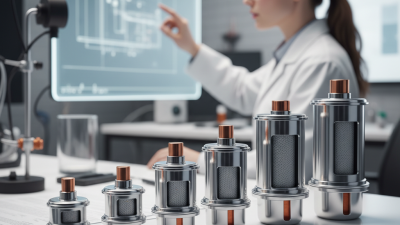
Heat pump filter driers come in various sizes.
Size matters, and selecting the appropriate size is vital.
Larger units may seem advantageous, but they can impact flow rates.
Always calculate the requirements based on your specific heat pump system.
Some users find it challenging to assess their system’s needs accurately.
Continuous learning and consulting with experts can help mitigate these challenges.
Key Factors to Consider When Choosing a Filter Drier
When selecting a heat pump filter drier, several key factors come into play.
Size is crucial. A drier that’s too small won’t adequately filter the refrigerant. Conversely, an oversized unit can lead to inefficiencies.
Finding the right balance is essential. Make sure to measure the system's needs before making a decision.
Another essential factor is the material of the filter drier. Look for driers made from high-quality substances.
Some materials may offer better moisture absorption and refrigerant compatibility. For instance, aluminum and steel are common choices,
but their performance can vary. Conducting thorough research on material options is necessary.
The working conditions of your heat pump also matter. Different systems operate in various environments.
High humidity or extreme temperatures can affect filter performance. Some driers may struggle under these conditions. It’s vital to consider these factors.
Often, the perfect choice isn't obvious.
Reflect on your specific system requirements and potential challenges. Careful assessment prevents future complications.
Maintenance Tips for Ensuring Optimal Performance of Your Filter Drier
Regular maintenance of your heat pump filter drier is essential for optimal performance. A study by the American Society of Heating, Refrigerating and Air-Conditioning Engineers (ASHRAE) indicates that systems with consistent maintenance can function up to 20% more efficiently. It’s crucial to check the filter drier for blockages or leaks. Clogged filters can lead to system strain, reducing efficiency.
Changing the filter drier annually is a good practice. This helps in removing moisture and contaminants. According to a report from the Department of Energy, systems that are well-maintained can save homeowners an average of $200 on energy bills each year. Regularly scheduled inspections can catch issues early. However, some neglect this step. It’s important to remember that a minor investment in maintenance can lead to significant savings.
Monitoring refrigerant levels is also vital. Low refrigerant can cause your system to work harder, resulting in wear and tear. A survey conducted by the Heating and Cooling Institute found that over 30% of heat pump failures are due to refrigerant issues. This can lead to costly repairs or replacements. Using proper tools, like a manifold gauge set, allows for effective monitoring. Identifying and addressing these issues promptly can prevent further complications.
Essential Tips for Choosing the Right Heat Pump Filter Drier
Common Mistakes to Avoid When Selecting a Heat Pump Filter Drier
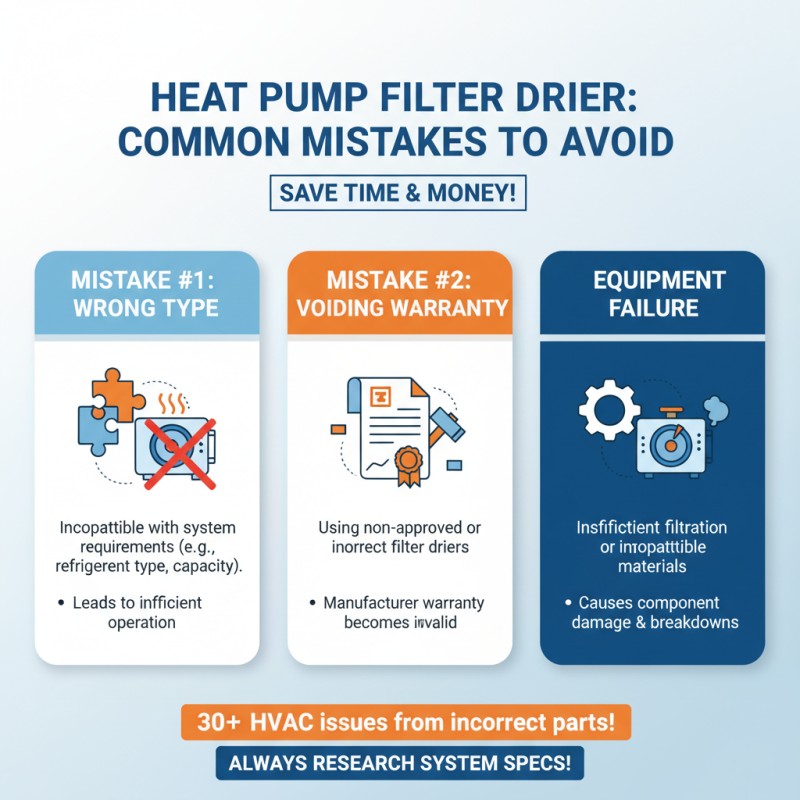
When selecting a heat pump filter drier, avoiding common mistakes can save time and money. Many people overlook the specific requirements of their system. The wrong filter drier can lead to inefficient operation. For instance, using one that is incompatible can void warranties or even cause equipment failure. Research shows that more than 30% of HVAC installations face issues due to incorrect component selection.
Another frequent error is neglecting to check the refrigerant type. Heat pumps operate with different refrigerants, and mismatches can result in serious performance issues. A study found that improper filter drier choices account for up to 15% of repair costs in heat pump systems. Many choose based solely on price, but high-quality filtration is vital.
It's essential to consider the moisture removal capacity of the filter drier. A unit with inadequate capacity can fail to protect the system from moisture damage. Furthermore, underestimating the importance of installation practices can lead to reduced lifespan. Simple mistakes, like misalignment or improper sealing, can contribute to problems. Ensuring a thorough understanding of the installation process is necessary for optimal performance. Ignoring these factors may result in higher costs down the line.