Leave Your Message

7 Refrigerator Capacitor Buying Tips for Global Buyers

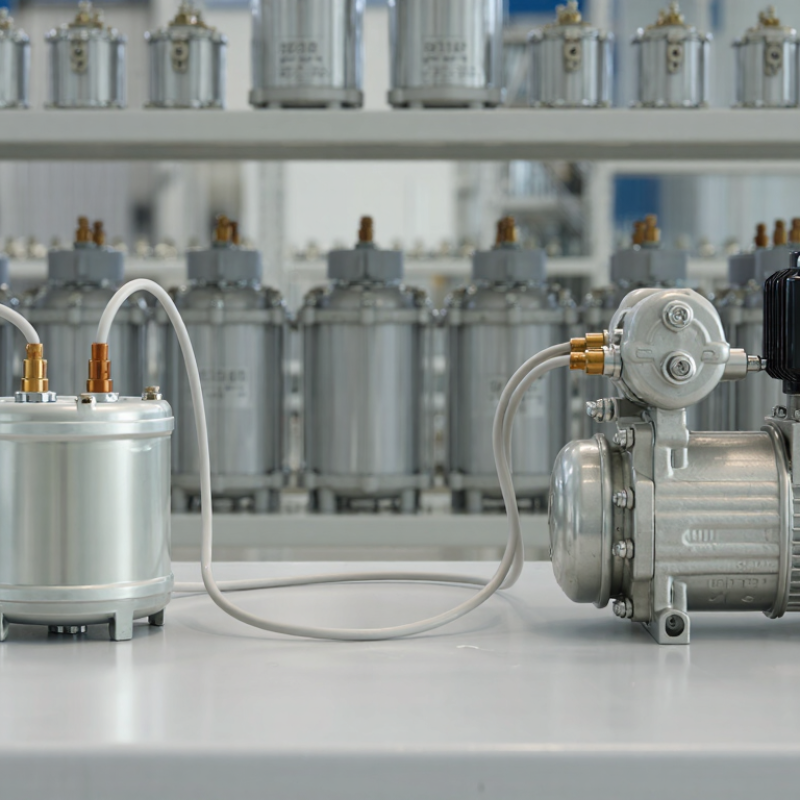
A Refrigerator Capacitor is a small component with an outsized role: it helps a compressor start or run reliably. For global buyers, the wrong capacitance, voltage rating, frequency, or terminal arrangement can turn a routine replacement into a costly delay. Details matter. A capacitor’s printed rating should match the appliance specification, while its dimensions and connections should fit the available space without forcing the wiring.

Cooling demand gives this purchasing decision a wider context. The International Energy Agency’s 2018 report, The Future of Cooling, projected that global air-conditioner stock would rise from 1.6 billion units in 2016 to 5.6 billion by 2050. That figure concerns air conditioners, not refrigerator capacitors, but it signals the scale of growing cooling needs. UNEP’s 2023 Global Cooling Watch report also describes rapidly increasing demand for cooling. Neither report measures capacitor sales directly. Buyers should not confuse broad cooling trends with proof of a particular component’s market growth.

Reliable sourcing still comes down to evidence: traceable specifications, consistent production, clear testing records, and responsive technical support. A low unit price can look attractive beside a sample invoice. It may matter less if dimensions vary or documentation is incomplete. One limitation deserves honesty: no verifiable quotation from a named Refrigerator Capacitor specialist was provided for this introduction, so attributing a made-up statement would mislead readers. The seven tips ahead focus on practical checks buyers can verify before placing an order.
7 Refrigerator Capacitor Buying Tips for Global Buyers

Identify the Capacitor Type and Its Function in the Refrigerator

A refrigerator capacitor is not one universal part. On some fixed-speed compressors, a start capacitor briefly boosts starting torque; a run capacitor supports operation when the design requires it. Many models instead use a PTC starter and no separate start capacitor. Inverter refrigerators are different: an electronic drive controls compressor speed, so a board capacitor may not be interchangeable with a motor capacitor. Check the wiring diagram and compressor label before identifying the part. The microfarad rating, voltage rating, terminal layout, and duty rating all matter. A matching shape proves little.

Tip: Read the original part markings, then confirm them against the service diagram. ENERGY STAR’s published refrigerator criteria set certified models at least 10% above the applicable federal efficiency standard. That makes correct part selection relevant to performance, though it does not identify a capacitor by itself. Never infer capacitor type from refrigerator age alone. A worn label can mislead, and I would verify the circuit twice before ordering. If the appliance uses an inverter board, seek its exact service specification rather than substituting a conventional start capacitor.

Match Capacitance and Voltage Ratings to the Appliance

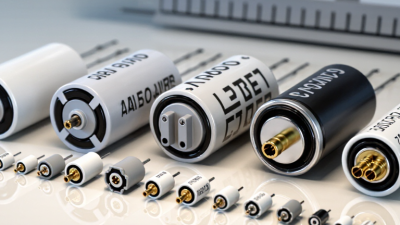
A refrigerator capacitor must match the appliance’s specified capacitance, usually printed in microfarads (µF). Check the wiring diagram, service label, or original component before ordering. A difference that looks small can affect motor starting or running, and may cause overheating or repeated start attempts. Small detail. Check twice.

The voltage rating should meet or exceed the original rating, while the capacitor type must also match the application. A start capacitor and a run capacitor are not interchangeable just because their ratings look similar. Compare the markings carefully, including AC voltage, capacitance range, terminal layout, and temperature rating. For global sourcing, ask suppliers to confirm that the printed specifications match the appliance documentation, not just the product photo.

It is tempting to choose a higher capacitance to compensate for an aging compressor. That is not a reliable fix. A worn label or unclear replacement listing can make selection less certain, so verify the part number against a service manual when possible. If the specifications conflict, pause and consult a qualified refrigeration technician. Capacitors can retain a charge after power is disconnected; avoid handling or testing one without appropriate training.

Verify Dimensions, Terminals, and Installation Compatibility

7 Refrigerator Capacitor Buying Tips for Global Buyers

A refrigerator capacitor can look correct and still fail to fit. Check the appliance’s service information and existing part markings before comparing listings. Match the required capacitance and voltage ratings; appearance alone is not reliable. Measure the body length, width, and height, then compare them with available cabinet space. A few millimeters can matter near a fan housing or metal panel.

Tips: Confirm terminal type, pin spacing, and mounting style. Check whether the replacement needs a clip, bracket, or separate holder. Ask the supplier for a clear terminal photo and a dimension drawing if the listing lacks detail. Similar-looking connectors may not seat securely. That assumption can fail.

Also verify where the capacitor sits and how its leads route. A unit may fit the opening but leave wires strained or exposed to vibration. Compare the connection layout with the original, and do not force mismatched terminals. Refrigerators can retain electrical charge after unplugging, so have a qualified technician handle removal and installation. If measurements or markings are unclear, pause and confirm compatibility with appliance documentation or a knowledgeable supplier. Rushing this check often costs more time later.

7 Refrigerator Capacitor Buying Tips for Global Buyers: Verify Dimensions, Terminals, and Installation Compatibility

Common capacitor tolerance codes indicate the permitted variation from the marked capacitance: J = ±5%, K = ±10%, and M = ±20%. Match the capacitance and voltage rating to the refrigerator’s specifications, then verify the capacitor’s body dimensions, terminal layout, and mounting method before ordering. Tolerance-code conventions can vary, so check the marking and supplier documentation.

Assess Product Quality, Certifications, and Supplier Reliability

Assess the capacitor against the refrigerator’s operating requirements, not just its price. Check capacitance, rated voltage, tolerance, temperature range, and terminal dimensions against the specification. Ask for test records tied to the actual production lot. A sample should fit securely, with clean terminals and no visible cracks or bulges. Small details matter. One mismatch can cause delays or unreliable operation.

Tip: Request copies of relevant safety and quality certificates, then verify their scope, validity, and issuing body. Requirements vary by destination market and capacitor type, so a certificate alone is not proof of suitability. Match the product model and factory address on documents to the quotation. If details do not line up, pause and ask for clarification.

Supplier reliability shows in routine communication. Ask how the supplier controls changes to materials, production, and inspection. Confirm lead times, minimum order quantities, packaging, and procedures for handling defective goods in writing. A video call or factory audit can add useful context, but neither replaces product testing. A polished presentation is easy; consistent records are harder. I would still compare at least two production samples, because one good unit may not represent the whole batch.

Compare Pricing, Shipping, and Warranty Terms for Global Orders

A low unit price can hide costly terms. Compare the landed cost of each refrigerator capacitor: unit price, minimum order quantity, packaging, freight, insurance, and destination charges. Check that voltage, capacitance, tolerance, temperature rating, and terminal layout match your equipment. A cheaper part is not a saving if it requires rework. Ask for a dated quotation with currency, payment schedule, and price-validity period.

Shipping estimates deserve equal scrutiny. The World Bank’s 2023 Logistics Performance Index reports an average of 44 days for goods to move from a port of entry to their final destination, with substantial variation across routes. UNCTAD’s Review of Maritime Transport 2024 reports that seaborne trade grew 2.4% in 2023. These figures are not delivery promises; confirm the route, dispatch date, tracking, and who pays for delays or damage. Build in slack.

Read warranty wording line by line. Confirm the coverage period, whether it starts at shipment or receipt, and whether labor, replacement freight, and return shipping are excluded. Ask what evidence a claim needs, such as batch codes, test results, or photographs. A warranty that sounds generous may still leave the buyer paying freight both ways. Keep the terms beside the purchase order; relying on a sales email alone is risky.

7 Refrigerator Capacitor Buying Tips for Global Buyers - Compare Pricing, Shipping, and Warranty Terms for Global Orders

# Buying tip What to compare Practical buyer check Pricing, shipping, or warranty question
1 Match the capacitor type Run capacitors and start capacitors have different designs and duty cycles. Some compressors use neither as a separate component. Confirm the required type from the appliance documentation or the original component marking. Do not substitute a start capacitor for a run capacitor. Ask for separate unit prices by capacitor type and confirm whether the quoted price includes terminals and protective packaging.
2 Verify capacitance and voltage Capacitance is specified in microfarads (µF). Motor-run capacitors are commonly marked 370 or 440 VAC, but requirements depend on the compressor and appliance. Match the specified µF value and tolerance. Use a voltage rating that meets the equipment requirement; confirm substitutions against service documentation. Request the same specification and tolerance in every quotation so price comparisons are like-for-like.
3 Compare the full landed cost Unit price can exclude tooling or setup charges, export packing, freight, insurance, duties, and destination taxes. Compare total cost at the same order quantity and delivery term. Request a written breakdown in one currency. Ask for price breaks at your planned quantities and clarify which import charges are excluded from the quote.
4 Check minimum order and lead time Minimum order quantity and production time vary by specification, stock availability, and supplier. Confirm the MOQ, sample availability, production lead time, and whether mixed capacitance values can be combined in one order. Request separate estimates for samples, a small trial order, and the intended production quantity.
5 Select a suitable shipping method Courier, air freight, and ocean freight differ in cost, handling, and transit time. Transit estimates vary by route and exclude possible customs delays. For planning only, international express shipments often take roughly 3–7 business days; air freight may take about 5–12 days; ocean freight commonly takes several weeks. Confirm route-specific estimates with the carrier. Ask who arranges export clearance, insurance, tracking, and delivery, and whether the quoted transit time includes customs processing.
6 Review packaging and shipping documents Packaging should protect terminals and prevent movement or crushing in transit. Import documentation requirements depend on the destination country. Confirm packed dimensions, carton quantity, product labels, commercial invoice, packing list, and any destination-specific compliance documents required by the importer. Request carton and gross-weight details before booking freight so shipping quotations use accurate shipment data.
7 Get warranty terms in writing Warranty duration, coverage, exclusions, claim evidence, and remedies are supplier-specific; there is no single global warranty period for these products. Check when coverage begins, how defects are verified, who pays return freight, and whether replacement, credit, or refund is offered. Request the warranty period and claim process on the quotation or purchase contract, including any exclusions for incorrect installation or use.

Note: Technical ratings must be checked against the specific refrigerator or compressor documentation. Shipping times are broad planning estimates, not delivery guarantees; obtain a current route-specific quote.