What is a Refrigerator Capacitor and How Does It Work?
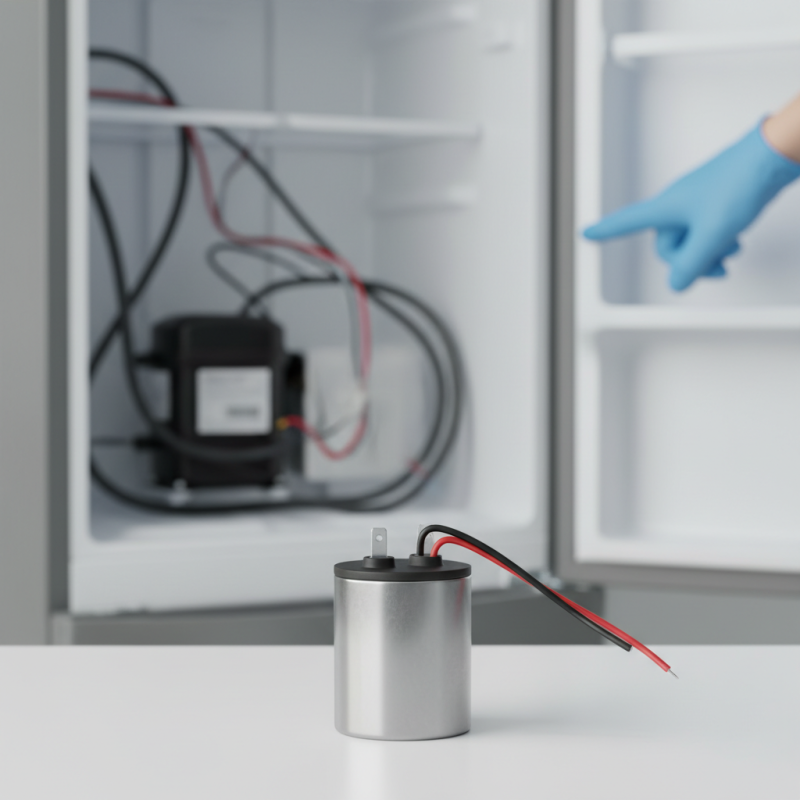
A refrigerator capacitor is a crucial component in modern cooling systems. This part plays a key role in the operation of the compressor. Understanding its function can help users appreciate their refrigerators more.
The refrigerator capacitor stores electrical energy and releases it when needed. It ensures that the compressor starts quickly and operates efficiently. Without this component, your fridge might struggle to maintain the right temperature.
However, issues can arise with the capacitor. If it fails, the refrigerator may not cool properly. Users may notice strange sounds or a lack of cooling. Regular maintenance can prevent these problems, but many overlook this aspect. Keeping an eye on the refrigerator capacitor is vital for optimal performance.
What is a Refrigerator Capacitor?
A refrigerator capacitor is a crucial component in the cooling system of your unit. It stores electrical energy and helps to manage the power supply to the compressor. When the compressor starts, the capacitor provides an extra boost of energy, ensuring smooth operation. This process is vital for effective cooling performance. According to industry reports, around 30% of refrigerator malfunctions are linked to faulty capacitors.
Capacitors come in various sizes and specifications. Each is designed to handle specific workloads. A capacitor that is too small may fail repeatedly. Conversely, one that is too large could cause inefficiencies. Inadequate capacitance can lead to increased energy consumption, impacting your electricity bills.
**Tips:** Regular maintenance is essential. Check your refrigerator's performance often. If you notice unusual noises or longer cooling times, it could indicate capacitor issues. Keep your appliance clean and free from dust. Dust accumulation can affect all electrical components, including capacitors.
While replacing a capacitor might seem simple, it requires the right tools and knowledge. Mistakes could lead to further damage, wasting both time and money. Always consult a professional if uncertain. A little caution saves you big!
The Role of Capacitors in Refrigeration Systems
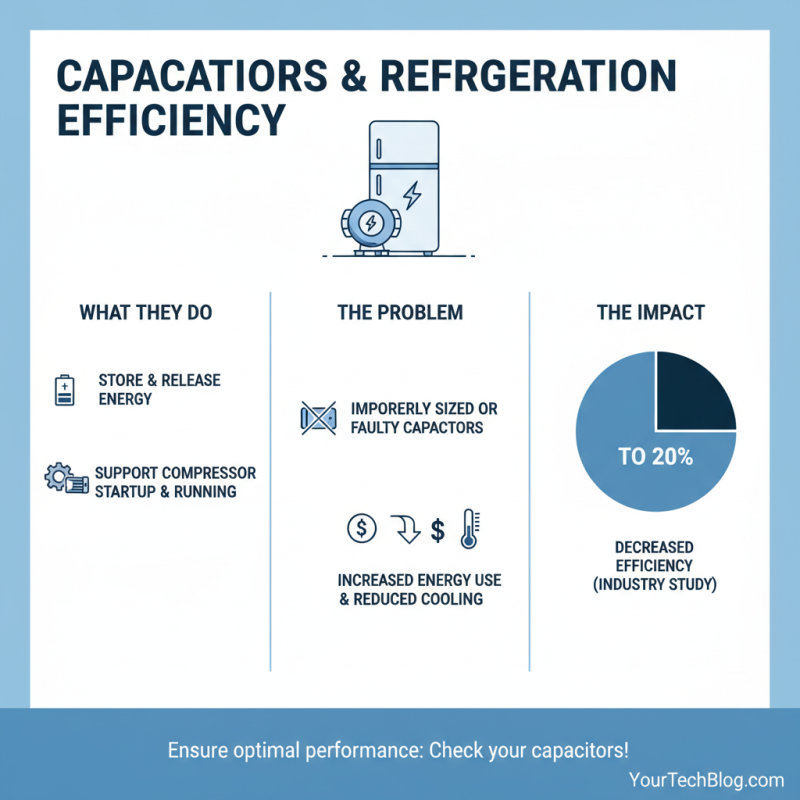
Capacitors play a vital role in refrigeration systems. They store and release electrical energy, supporting the compressor's operations. In many cases, improperly sized capacitors can negatively affect system performance. This is an issue that can lead to increased energy consumption and reduced efficiency. An industry study showed that faulty capacitors can decrease efficiency by up to 20%.
In refrigeration units, capacitors help with the starting and running of motors. They ensure smooth operation by providing necessary boost when motors start. If a capacitor fails, the motor may not start at all. This can lead to significant downtime and costly repairs. According to recent reports, about 30% of refrigeration service calls are related to capacitor failure.
Capacitor maintenance is often overlooked. Neglected capacitors can cause irregularities in power supply. Signs like humming or buzzing noises are common and indicate potential issues. Regular checks can prevent unexpected failures. It's crucial for technicians to prioritize this aspect of refrigeration maintenance.
How Refrigerator Capacitors Function Mechanically
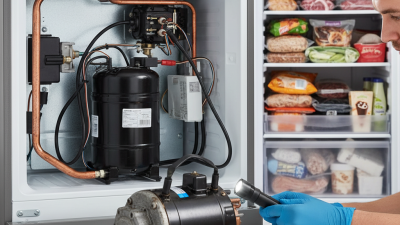
Refrigerator capacitors play a crucial role in maintaining efficient operation. They store electrical energy for the compressor motor. When the compressor starts, the capacitor releases stored energy, aiding in the motor's initial surge. This action helps the compressor run safely and smoothly.
Mechanically, the capacitor works by using an electric field. Inside, two conductive plates are separated by an insulating material. When voltage is applied, an electric field forms. This field enables the capacitor to store electrical energy. The size and material of the capacitor affect its efficiency.
Capacitors can wear out over time. Sometimes, they fail, causing the fridge to struggle to start. A malfunctioning capacitor can lead to longer compressor cycles or increased energy use. Regular checks can help identify these issues early. Observing unusual noises or prolonged running times can signal a problem. This imperfect process reminds us of the importance of maintenance.
Common Issues and Troubleshooting for Capacitors
Refrigerator capacitors play a crucial role in the functioning of your appliance. They help start the compressor and maintain cooling efficiency. However, problems can arise. Understanding common issues can save you time and money.
One common problem is capacitor failure. A failed capacitor may cause your refrigerator to not start at all. You might hear a humming sound, but nothing happens. It can also lead to overheating. In this case, checking for any visible damage, such as bulging or leaks, can be essential. If you notice any abnormalities, replacing the capacitor might be necessary.
Another issue is intermittent capacitor performance. Sometimes, your fridge works fine and then suddenly stops cooling. This may indicate a failing capacitor. Monitoring the cooling cycles can provide insight. If it frequently turns on and off, note that down. Testing the capacitor with a multimeter is also helpful. Remember, diagnosing these issues requires careful attention to detail and patience.
What is a Refrigerator Capacitor and How Does It Work?
| Dimension |
Details |
| Function |
Stores energy and helps start the compressor motor |
| Common Types |
Start Capacitors, Run Capacitors |
| Voltage Rating |
Typically ranges from 110V to 330V |
| Common Issues |
Capacitor failure, overheating, loss of capacitance |
| Symptoms of Failure |
Refrigerator not starting, clicking sounds, motor running continuously |
| Troubleshooting Steps |
Check connections, test with multimeter, replace faulty capacitors |
| Maintenance Tips |
Regular cleaning, ensure proper ventilation, monitor performance |
Maintenance Tips for Refrigerator Capacitors
Refrigerator capacitors play a vital role in the efficient functioning of your appliance. They store electrical energy and help the compressor motor start. Keeping these components in good shape is crucial for optimal performance. Here are some maintenance tips to extend their lifespan.
Regular inspection is essential. Look for signs of wear or damage. This includes frayed wires or corrosion. Clean the terminals occasionally. Dust and debris can cause poor connections. A gentle wipe with a dry cloth should suffice. If you notice a burnt smell or hear unusual noises, consider replacing the capacitor.
Temperature plays a role too. Ensure proper ventilation around your refrigerator. Overheating can damage the capacitor. Avoid placing the appliance near heat sources. Lastly, unplug the unit when performing any maintenance. This helps prevent electrical shocks. Taking these steps can save you time and costly repairs in the long run.