Why Is Refrigeration Tee Essential for Efficient Cooling Systems?
Efficient cooling systems rely on various components to function optimally. Among these, the Refrigeration Tee plays a crucial role. It ensures the seamless flow of refrigerant. This component is essential for maintaining consistent temperatures and improving energy efficiency.
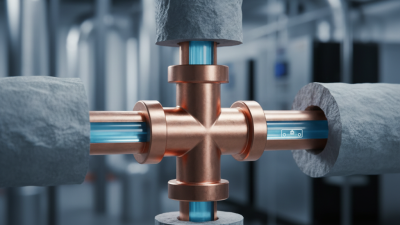
The Refrigeration Tee connects multiple lines. It directs the refrigerant, guiding it through the system. A well-installed tee reduces pressure drops. This leads to better overall performance. Users often overlook the importance of this small yet significant part. It might seem trivial, but its impact is substantial. Poor installation can lead to issues, including leaks and reduced efficiency.
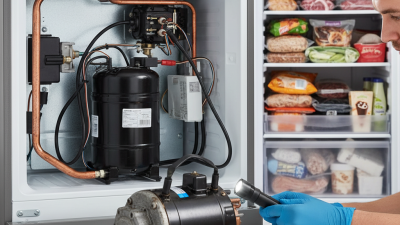
Inadequate attention to the Refrigeration Tee may result in costly repairs. Ignoring small components can disrupt the entire system. Regular maintenance helps identify potential issues before they escalate. Understanding the value of the Refrigeration Tee can prevent inefficiencies and enhance system reliability.
Understanding Refrigeration Tees: Definition and Function
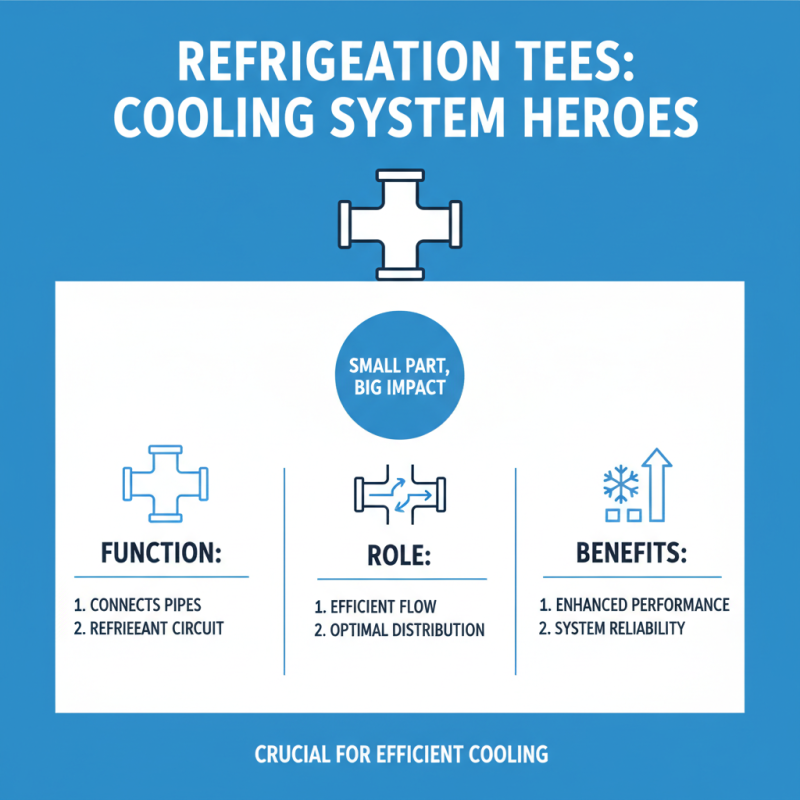
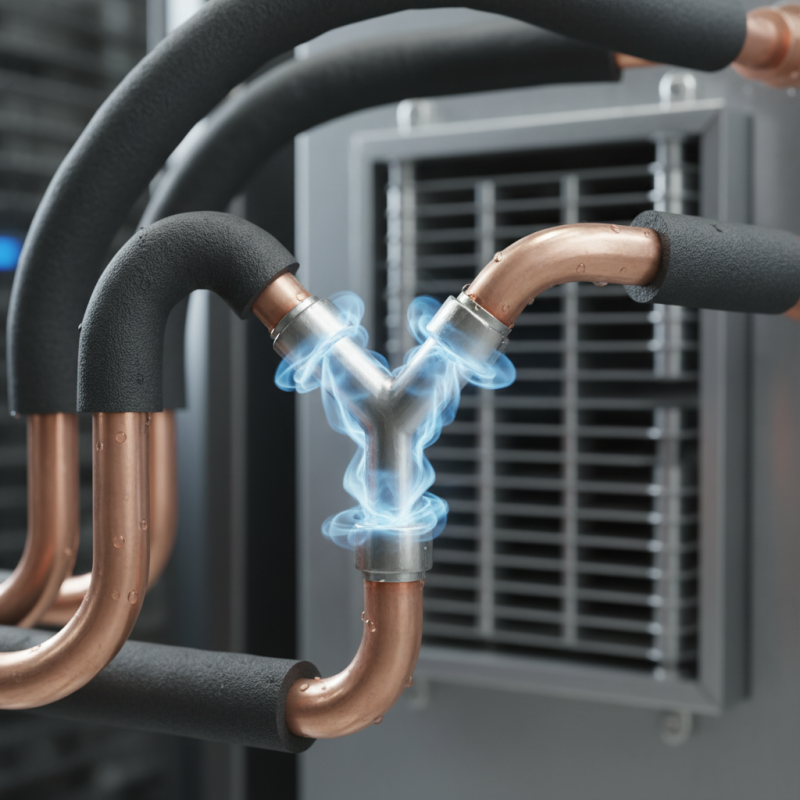
Refrigeration tees play a crucial role in cooling systems. They are connectors that allow the distribution of refrigerant. This component ensures efficient flow and temperature control. When the refrigerant enters a tee, it can be split into multiple paths. This design improves overall system performance.
Understanding refrigeration tees is vital for optimal cooling. They help maintain pressure balance within the system. Without proper pressure, efficiency drops. It’s interesting to note that improper installation can lead to system failure. Many overlook this detail. Regular checks are necessary to ensure functionality. A failed tee can lead to leaks and increased energy costs.
In the world of refrigeration, every part counts. Tees may seem small, but their impact is significant. They influence the cooling efficiency directly. An overlooked tee may result in reduced system lifespan. Awareness of such components can save time and money. Addressing these smaller aspects can lead to a more robust cooling system.
Importance of Refrigeration Tees in Cooling Systems
The Role of Refrigeration Tees in Cooling System Efficiency
Refrigeration tees play a crucial role in the efficiency of cooling systems. They allow for the proper distribution of refrigerant, ensuring that each part of the system receives adequate flow. This balanced distribution minimizes energy consumption and optimizes performance. Without them, systems can experience blockages, leading to decreased efficiency and higher operational costs.
When placed correctly, refrigeration tees can significantly enhance overall system performance. They help to manage the refrigerant flow and reduce the risk of uneven cooling. However, installation mistakes can lead to issues. An improperly installed tee can create turbulence or pressure drops, which negatively impacts performance. Regular maintenance is vital to check these components for potential wear or misalignment.
Inadequate attention to these details can hinder cooling effectiveness. When dealing with complex cooling systems, it’s easy to overlook small parts like tees. Yet, their significance is undeniable. Understanding their role can lead to better system design and improved energy efficiency. In time, regular monitoring will help ensure they function properly within the system.
Common Applications of Refrigeration Tees in Various Industries
Refrigeration tees are vital components in many industries. Their primary function is to efficiently distribute refrigerants within cooling systems. In sectors like food processing, precise temperature control is crucial. A study from the International Journal of Refrigeration indicates that improper temperature management can lead to up to 30% food spoilage.
In HVAC systems, refrigeration tees help maintain system efficiency. They allow for smoother flow, reducing energy consumption. Data from the American Society of Heating, Refrigerating and Air-Conditioning Engineers (ASHRAE) shows that optimizing refrigerant flow can decrease energy use by 15-25%. However, installation mistakes can occur. Misalignment and improper sealing can lead to leaks that diminish system performance.
In the automotive industry, refrigeration tees also play a role in vehicle air conditioning systems. They ensure that refrigerants cycle effectively, contributing to passenger comfort. However, wear and tear can lead to failure, impacting system reliability. Regular inspections are necessary but often overlooked. These oversights highlight the need for a renewed focus on maintenance and performance evaluation in various applications.
Maintenance Tips for Optimizing Refrigeration Tee Performance
Maintaining the refrigeration tee is vital for peak system performance. Regular inspections can reveal hidden issues. Check for leaks or loose fittings. A small leak can lead to larger problems over time. Ensuring that the tee is properly aligned can prevent unnecessary strain on the components.
Cleaning is equally important. Dust and debris can accumulate, hindering airflow. Use a mild cleaner and a soft brush to keep the area clear. Remember to turn off power when doing maintenance. Neglecting this step can lead to serious accidents. Pay attention to wear and tear on the tee, as it can diminish efficiency.
Proper insulation around the refrigeration tee can improve cooling performance. However, don’t overdo it. Too much insulation may trap heat. Regularly monitor temperature changes to adjust accordingly. It’s easy to overlook these details. Reflecting on these maintenance tips can enhance your refrigeration system's longevity and effectiveness.