Mini Fridge Compressor Tips for Efficient Cooling Solutions?
The efficiency of a Mini Fridge Compressor plays a critical role in optimizing cooling solutions. According to a recent report by the U.S. Department of Energy, refrigerators account for about 8% of residential energy consumption. This highlights the need for efficient compressor technology to reduce energy costs and enhance cooling performance.
In addition, Energy Star estimates that consumers could save over $200 on lifetime energy costs by purchasing energy-efficient models. This makes understanding Mini Fridge Compressors essential for anyone looking to invest in a compact and effective cooling system.
Despite the available technology, not all mini fridges operate optimally. Consumers sometimes overlook factors such as placement and maintenance. Poor air circulation can lead to inefficient cooling, even in top-rated models. Regular checks and adjustments can ensure that the compressor functions effectively. A well-maintained mini fridge can deliver reliable performance and help save on energy bills.
Understanding How Mini Fridge Compressors Work
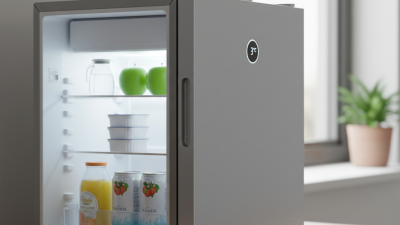
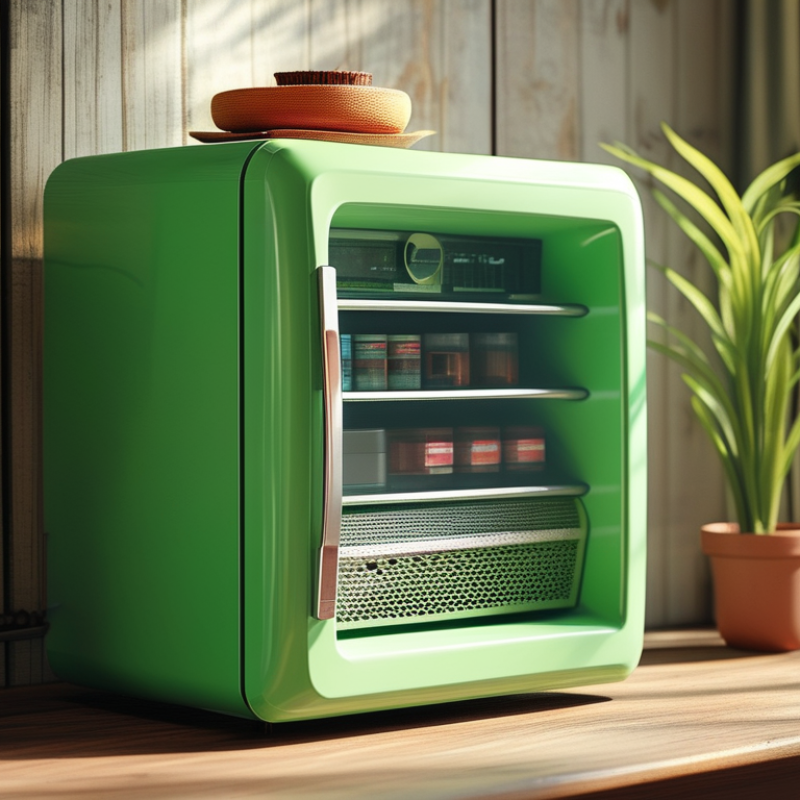
Mini fridges are essential for keeping beverages and snacks cool. Understanding how mini fridge compressors function can help you maximize their efficiency. A mini fridge compressor operates much like an air conditioning unit. It compresses refrigerant gas, increasing its pressure and temperature before releasing it into coils. As the gas cools, it transforms into a liquid, absorbing heat from the fridge’s interior.
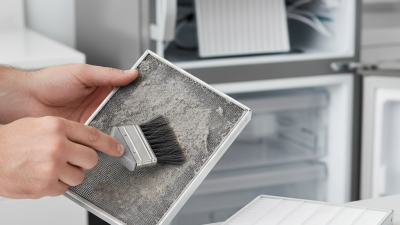
The effectiveness of a mini fridge can be influenced by placement. If the fridge is too close to a wall or heat source, it must work harder. This leads to higher energy consumption. Regular maintenance is important, too. Dust buildup on coils can diminish cooling performance. Cleaning the coils every few months ensures the compressor doesn’t struggle.
Another factor to consider is temperature settings. Setting the fridge too low can cause the compressor to run constantly. This might sound efficient, but it can actually lead to increased wear and tear. Monitoring food freshness can help adjust the ideal temp. It’s important to find a balance between energy efficiency and the quality of the items stored inside.
Factors Affecting Cooling Efficiency in Mini Fridges
When considering the cooling efficiency of a mini fridge, several factors come into play. One important aspect is the temperature setting. Setting the thermostat too low can lead to overworking the compressor, causing higher energy consumption. Conversely, a setting that is too high may not cool effectively, resulting in spoiled food.
Another key factor is the ambient temperature around the fridge. If it’s placed in a warm area, the compressor will struggle to maintain a cool environment. This can lead to inefficiencies in cooling and increased wear on the appliance. Regular maintenance, like cleaning the coils, is also crucial. Dusty coils can impede heat exchange, making the fridge less efficient.
Lastly, spacing is vital. Ensure there’s adequate space around the fridge for air circulation. If it’s tightly enclosed, it will work harder to maintain the desired temperature. Improper placement may lead to decreased longevity of the appliance. Reflecting on these aspects can help users optimize their mini fridge’s performance and extend its lifespan.
Maintenance Tips for Optimizing Mini Fridge Performance
Maintaining a mini fridge effectively can significantly enhance its cooling performance. Regular cleaning is crucial. Dust and dirt can accumulate on the condenser coils, reducing efficiency. Wipe them down monthly with a damp cloth. Ensure proper airflow around the fridge. Leave space between the fridge and walls. This allows heat to escape, promoting better cooling.
Check the door seals too. A damaged seal can let cold air escape. Inspect it regularly for tears or gaps. If you notice any issues, consider replacing the gasket. This step can save energy and keep items cooler. Additionally, avoid overloading your mini fridge. It needs room for air circulation. An overcrowded fridge may lead to inconsistent temperatures.
Track the temperature settings. A fridge should ideally be around 37°F. Avoid setting it too cold, as this can waste energy. Evaluate how often you open the fridge. Frequent openings can cause temperature fluctuations. This may impact food safety. Keep these considerations in mind for optimal performance and longevity of your mini fridge.
Troubleshooting Common Compressor Issues in Mini Fridges
Mini fridges are essential for many households. However, they can experience compressor issues affecting efficiency. Understanding these problems is key to ensuring proper cooling.
One common issue is when the compressor fails to start. This can result from dirty condenser coils. Studies show that 70% of cooling problems stem from inadequate maintenance. Regularly cleaning the coils can prevent this. Another concern is strange noises. These may indicate issues such as a failing compressor or loose parts. Noise shouldn't be ignored, as it can signify larger problems.
Temperature fluctuations are also a red flag. A mini fridge should maintain a consistent temperature. Inconsistent cooling may come from a malfunctioning thermostat. Research indicates that fluctuating temperatures can lead to food spoilage. It's crucial to monitor temperature regularly. If troubleshooting doesn't resolve the issue, seeking professional help is often necessary. Regular checks and maintenance can extend the life of your mini fridge and enhance its cooling performance.
Energy-Saving Practices for Mini Fridge Operation
Mini fridges are a great solution for small spaces, but efficiency is key. To save energy, it’s important to maintain proper airflow. Ensure there’s enough space around the fridge. This will help it operate effectively. Dust buildup on coils can also hinder performance. Regularly cleaning these coils is crucial.
Temperature settings play a big role in energy consumption. Many users set the temperature too cold, wasting energy. A setting between 35°F and 38°F is often adequate. Additionally, avoid frequent opening of the door. Each time the door opens, cold air escapes, forcing the fridge to work harder. Consider placing frequently used items at eye level.
Using a thermometer inside the fridge helps monitor temperature accurately. This step can prevent overcooling. Also, organize items efficiently. Group similar items together to minimize time spent with the door open. Remember to defrost regularly if your model requires it. This will enhance efficiency and performance. Adjusting these simple habits can lead to significant energy savings over time.