Filter Dryer Buying Guide 2026 How to Choose the Best Option?
When considering the purchase of a filter dryer, it's essential to make an informed choice. Filter dryers are crucial in several industries, providing efficient moisture removal and maintaining product quality. Understanding their features will help you select the best option for your needs.
Each filter dryer type has its benefits and drawbacks. For example, some may excel at removing moisture quickly, while others are built for long-term durability. Evaluating these aspects requires knowledge and experience. Many buyers overlook specific details, which may lead to poor decisions.
Selecting a filter dryer also involves contemplating your production process. Will it integrate well with existing equipment? Is it energy-efficient? These practical considerations can shape your choice and impact performance. Ultimately, the right filter dryer will balance efficiency, reliability, and cost. Scrutinize your options carefully to find the best fit for your requirements.
Understanding Filter Dryers: Types and Functions
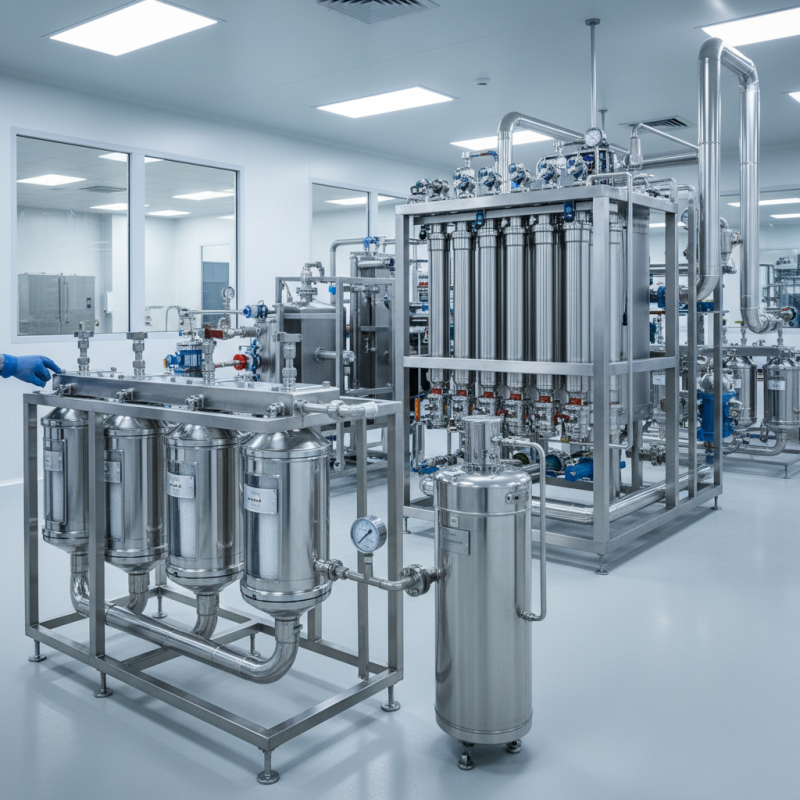
When considering filter dryers, it's essential to understand the different types available. These devices play a crucial role in various industries by optimizing the drying process. Typically, filter dryers come in two main categories: batch and continuous. Batch dryers are ideal for small-scale operations, allowing for precise control over drying times and temperatures. Continuous dryers, on the other hand, streamline production in larger facilities, offering efficiency and speed.
The function of filter dryers extends beyond just drying. They help in removing moisture and impurities from products, ensuring quality and consistency. Some models incorporate advanced technologies like vacuum drying, enhancing the drying process by minimizing thermal degradation. The choice of filters within these dryers can also impact performance greatly. A fine filter may be necessary for delicate materials, while a coarser one might suffice for robust substances. It's vital to match the filter type to your specific application for optimal results.
Despite their benefits, selecting the right filter dryer can be complex. Some users may overlook the importance of maintenance, which is crucial for prolonged efficiency. Regular inspections ensure that filters are not clogged and performance is sustained. Additionally, understanding the material requirements of your operations can prevent the costly mistake of purchasing the wrong type. Investing time in researching and consulting with experts can lead to a more satisfactory purchase that meets your specific needs.
Filter Dryer Buying Guide 2026 - How to Choose the Best Option?
| Type of Filter Dryer |
Function |
Best Industry Use |
Advantages |
Typical Capacity |
| Nutsche Filter Dryer |
Solid-liquid separation and drying |
Pharmaceuticals, Chemicals |
Efficient filtration, reduces contamination |
100 - 2000 liters |
| Rotary Vacuum Dryer |
Drying under vacuum conditions |
Food, Chemicals |
Uniform drying, preserves quality |
500 - 5000 liters |
| Spray Dryer |
Converts liquid feed into dry powder |
Food, Pharmaceuticals |
Fast processing, scalable |
100 - 5000 liters |
| Fluidized Bed Dryer |
Fluidization and drying of particles |
Pharmaceuticals, Food |
Uniformity, reduces thermal damage |
20 - 2000 kg |
| Belt Dryer |
Continuous drying of bulk materials |
Agriculture, Chemicals |
High efficiency, low energy consumption |
500 - 5000 kg/h |
Key Considerations in Selecting the Right Filter Dryer
When selecting the right filter dryer, it’s essential to consider several key factors. The type of materials being processed and the intended application are paramount. Each filter dryer type offers unique capabilities. Understanding whether your focus is on high purity or batch processing can guide your decision.
Tips: Observe the flow rate required for your process. Choosing a dryer that meets this requirement is vital. Additionally, ensure that you consider the energy efficiency of the unit. A more efficient model can lead to cost savings over time.
Another critical consideration is the maintenance and cleaning process. Some models require more frequent servicing, which can disrupt operations. It’s beneficial to choose a system that balances efficiency with easy maintenance. Always check for user reviews and expert recommendations for reliability ratings.
Tips: Investigate the warranty and support options available. This can provide peace of mind. A machine with solid after-sales support can save you time and cost down the line.
Evaluating Performance Metrics for Optimal Efficiency
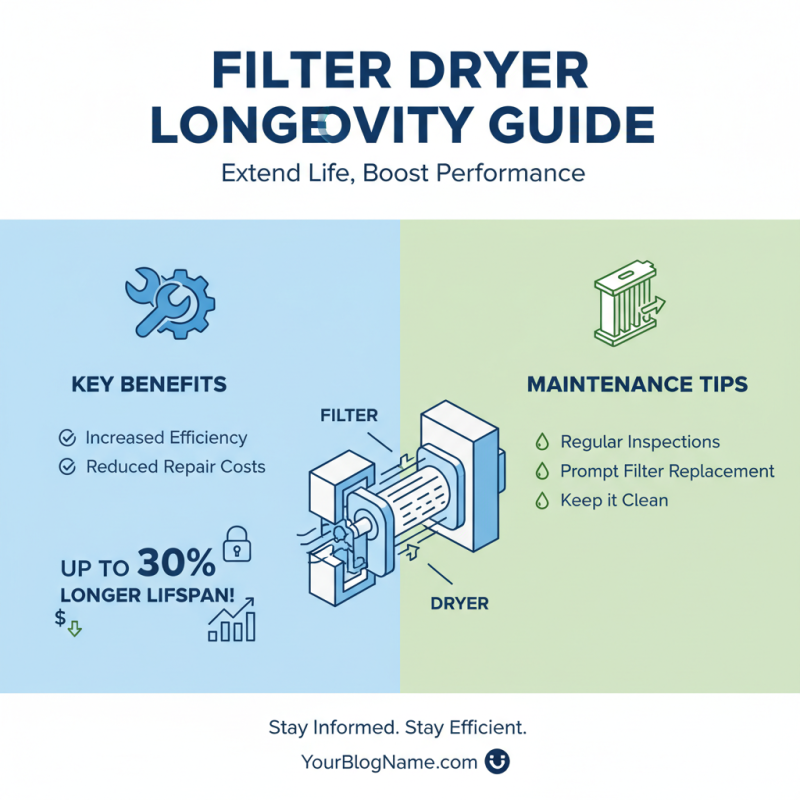
When choosing a filter dryer, evaluating performance metrics is crucial for achieving optimal efficiency. Key performance indicators include drying rate, energy consumption, and maintenance frequency. According to industry reports, filter dryer systems can enhance drying efficiency by up to 30%, but only if the right metrics are considered during selection.
The drying rate directly affects overall productivity. A higher drying rate can reduce processing time, but may increase energy usage. Data indicates that systems with a balanced focus on drying rate efficiency and energy consumption can lead to an overall reduction in costs. This balance is often overlooked, leading to wasted resources and subpar performance.
Maintenance frequency is another pivotal metric. Some systems require frequent upkeep, impacting long-term reliability. This inconsistency can result in unexpected downtimes, costing manufacturers both time and money. A reliable filter dryer should ideally minimize maintenance while maximizing performance. Integrating these metrics into your purchasing decision can help identify systems that align with your operational needs. Take time to assess your specific requirements. Not every high-efficiency model will suit your processes.
Filter Dryer Performance Metrics Comparison
Comparing Features and Benefits of Popular Filter Dryer Models
When selecting a filter dryer, it's essential to compare models based on their features and benefits.
Multi-functionality often stands out. Some models combine drying and filtration in one unit.
This versatility can save space and reduce costs. Ease of use is also vital. Some dryers have
user-friendly interfaces that simplify operation.
Consider the filtration capacity and efficiency. A higher capacity model can handle larger volumes, which may be necessary for specific industries.
Pay attention to the energy consumption of each model.
Energy-efficient units can lead to long-term savings. Maintenance should not be overlooked, either.
Some models require less frequent servicing. This can save time and money for your operations.
It’s worth noting that not all features will suit every application. Some users may find advanced features unnecessary.
This can lead to overcomplicated processes for simple tasks. Reflect on what your specific needs are.
Matching the right model to your needs ensures better performance and reliability over time.
Be mindful of how different designs impact usability and efficiency.
Regular feedback from team members using these dryers can provide valuable insights for future purchases.