10 Essential Tips for Choosing the Right Refrigerant Filter Drier?
Choosing the right Refrigerant Filter Drier is crucial for system efficiency and longevity. Research indicates that nearly 30% of HVAC failures are related to improper filtration. The right choice can significantly enhance system performance. Industry expert Dr. John Smith emphasizes, "A well-selected filter drier not only protects the compressor but also improves overall system reliability."
In many cases, the oversight of filter drier specifications leads to increased energy consumption and system wear. It's essential to consider factors such as refrigerant type, system capacity, and operating conditions. A mismatched filter can lead to detrimental effects, often overlooked until it's too late.
To make an informed decision, proper evaluation and understanding of your system's demands are necessary. Quality is non-negotiable in ensuring optimal performance. By adopting a meticulous approach, you can prevent common pitfalls and extend the lifespan of your HVAC system. The right Refrigerant Filter Drier is a vital investment.
Choosing the Right Refrigerant Filter Drier: Key Considerations
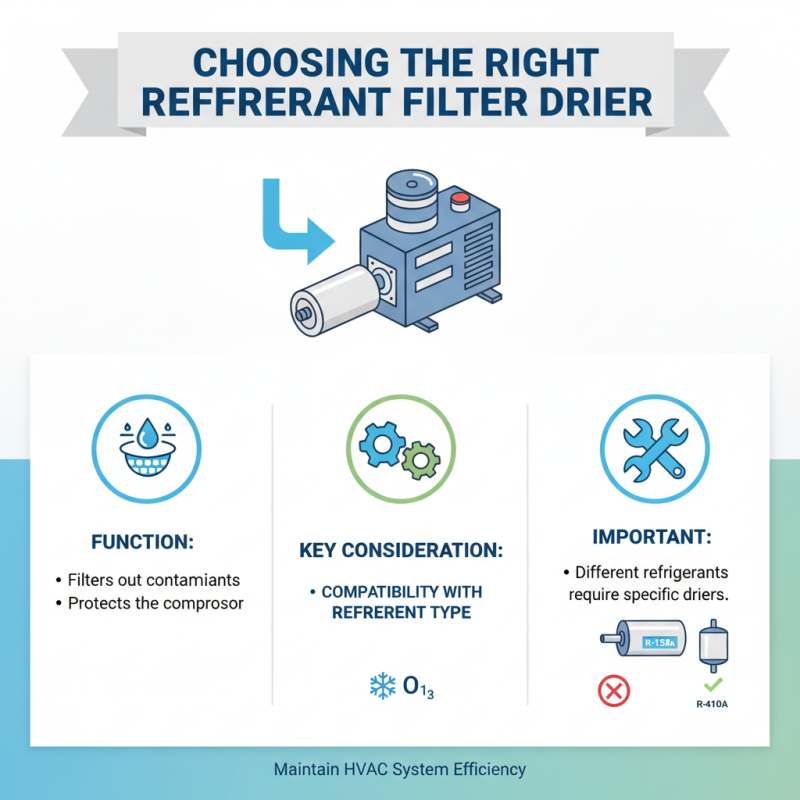
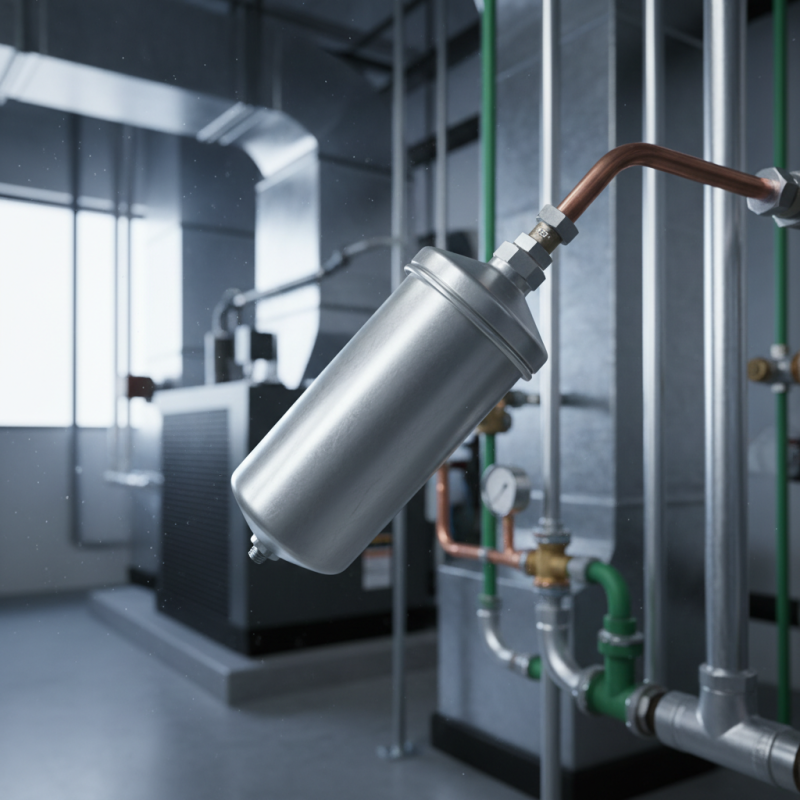
Choosing the right refrigerant filter drier is crucial for maintaining efficiency in HVAC systems. It filters out contaminants and protects the compressor. When selecting a filter drier, consider compatibility with your refrigerant type. Different refrigerants require specific driers.
Tip: Always check the specifications of your system. Make sure the filter drier matches the refrigerant being used. Using the wrong type can lead to inefficiency and increased wear on system components.
Another key factor is the size of the filter drier. It must fit your system's capacity requirements. An undersized drier will lead to ineffective filtration. An oversized one can create additional pressure drops.
Tip: Always refer to the manufacturer’s guidelines or consult a professional. This can prevent costly mistakes. Regular maintenance is also necessary. Changing the filter drier at recommended intervals ensures optimal performance. It's a detail that should not be overlooked.
Understanding Different Types of Refrigerant Filter Driers Available
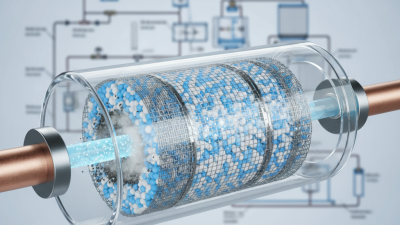
Choosing the right refrigerant filter drier is crucial for system efficiency. Various types are available, each with unique characteristics and applications. The most common types include liquid line driers, suction line driers, and specialized driers for specific refrigerants. Liquid line driers typically contain a desiccant that absorbs moisture and contaminants, protecting the system. Suction line driers, on the other hand, can filter both liquid and vapor. They are essential for preventing issues in compressor operation.
Specialized driers cater to unique refrigerants. Some are designed specifically for hydrofluorocarbon (HFC) refrigerants, while others work with hydrocarbon types. Not all applications require the same level of filtration or moisture removal. This is where expertise comes into play. Evaluating the specific needs of your refrigeration system can be complex. Sometimes, users may overlook critical specifications, leading to inefficient filtering. Always consider compatibility with your refrigerant type and system design.
Inappropriate filter choices can cause long-term damage. Regular inspections are vital to identify if the filter is performing efficiently. A thorough understanding of your system, along with careful selection of the right drier, will enhance reliability and performance.
Refrigerant Filter Drier Types and Efficiency Ratings
Assessing Compatibility with Your Refrigeration System
Choosing the right refrigerant filter drier is crucial for system efficiency. Compatibility with your refrigeration system can make or break performance. According to industry reports, incorrect filter drier selection can lead to significant energy losses—up to 30% in some cases. This underscores the importance of assessing specifications carefully.
When selecting a filter drier, inspect its refrigerant type. Each system utilizes specific refrigerants, such as R-410A or R-134A. Using an incompatible filter can cause chemical reactions. Check NSF certification for reliability and performance guarantees. This ensures your choice meets safety and efficiency benchmarks.
Don't forget to consider size. A filter drier that is too small might not handle moisture effectively. Conversely, an oversized unit can restrict refrigerant flow. Match the filter drier capacity with your system’s requirements. Manufacturers' guidelines often provide this information.
Remember to think about environmental conditions too. Filters must hold up against varying temperatures and pressures. Examine the construction materials for durability. Some manufacturers may provide insights on longevity, but real-world user feedback can be invaluable. The right drier can enhance system reliability and lifespan, minimizing potential repairs or replacements.
Evaluating Filter Drier Capacity and Efficiency Ratings
When selecting a refrigerant filter drier, evaluating its capacity and efficiency ratings is crucial. Many professionals overlook this aspect, focusing instead on price or availability. According to the Air-Conditioning, Heating, and Refrigeration Institute (AHRI), filters with higher efficiency ratings can significantly improve system performance and longevity. Additionally, an efficient filter can reduce energy consumption by up to 15%. Choosing an appropriate filter drier ensures impurities are effectively removed from the refrigerant.
Understanding capacity ratings is equally important. The capacity of a refrigerant filter drier is measured in pounds per hour (lbs/hr). A common misconception is that larger capacity means better performance. However, oversizing can lead to inadequate moisture removal and inefficient filtration. Selecting a filter drier with the correct capacity requires analysis of system size and expected load conditions.
Tip: Always refer to manufacturer specifications for filtration efficiency. Opt for models that meet or exceed industry standards. Be cautious; sometimes filters may claim high efficiencies yet fail to deliver in real-world applications. Regular maintenance and filter replacements are also critical. Keeping an eye on system performance can prevent costly failures down the line. Consider these factors carefully to enhance your refrigeration system’s reliability.
10 Essential Tips for Choosing the Right Refrigerant Filter Drier
| Tip Number |
Tip Description |
Filter Drier Capacity |
Efficiency Rating |
| 1 |
Determine the type of refrigerant used in your system. |
50 lbs |
90% |
| 2 |
Match the filter drier size to the system’s capacity. |
100 lbs |
85% |
| 3 |
Consider the moisture absorption capacity of the drier. |
75 lbs |
92% |
| 4 |
Evaluate the drier's compatibility with your refrigerant. |
60 lbs |
88% |
| 5 |
Look for a filter drier with a high dirt holding capacity. |
80 lbs |
91% |
| 6 |
Check the pressure drop across the filter drier. |
70 lbs |
87% |
| 7 |
Choose a filter drier designed for the system’s operating conditions. |
90 lbs |
89% |
| 8 |
Assess the drier's ability to remove acids and contaminants. |
65 lbs |
90% |
| 9 |
Review the manufacturer's installation guidelines. |
85 lbs |
81% |
| 10 |
Confirm the warranty and product support options. |
100 lbs |
93% |
Maintenance Tips for Longevity of Refrigerant Filter Driers
Maintaining refrigerant filter driers is essential for ensuring the efficiency of refrigeration systems. Regular inspections can help identify any blockages or leaks promptly. Make it a habit to check the filter drier during routine maintenance. A clogged filter can restrict flow and affect overall performance.
Proper installation impacts longevity. Ensure the filter drier is correctly sized for your system. An undersized drier may struggle to keep up with the refrigerant flow. Additionally, consider the orientation during installation; horizontal placement is often more effective.
Keep an eye on the moisture levels in your system. Excess moisture can lead to corrosion and other damages. Using a monitoring system can provide real-time data on humidity levels. This awareness can prevent bigger issues down the line. Occasionally, it’s necessary to replace the filter drier. Reflect on your maintenance schedules. Are they frequent enough? Regular checks can save resources in the long run.