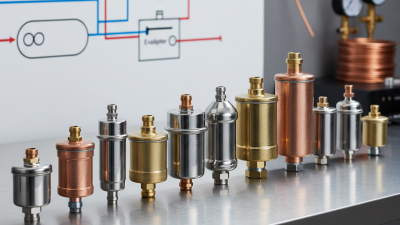
Choosing the right AC filter drier is essential for the efficiency of your air conditioning system. According to John Smith, an expert in HVAC systems, “A high-quality AC filter drier can enhance the longevity of your equipment.” This underscores the importance of making an informed choice when selecting a product.
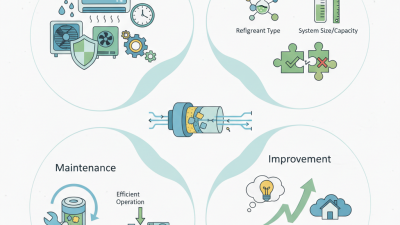
Different systems require different specifications. The right filter drier should match the refrigerant type and system capacity. Consider factors like pressure rating and temperature tolerance. Finding the perfect fit may seem overwhelming. The wrong selection can lead to system failures and increased maintenance costs.
We often overlook the nuances of AC filter drier selection. It's easy to focus solely on price. However, investing in the correct filter drier can save money long-term. Many users may not appreciate the subtle signs of an inadequate drier until it's too late. Therefore, assessment and knowledge are key to making effective choices in this essential component.
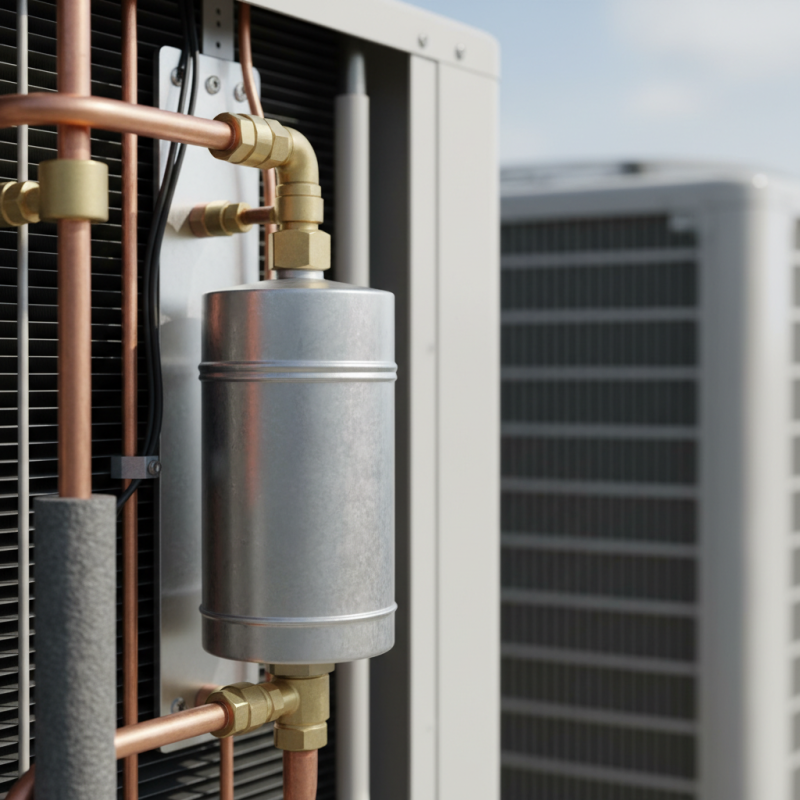
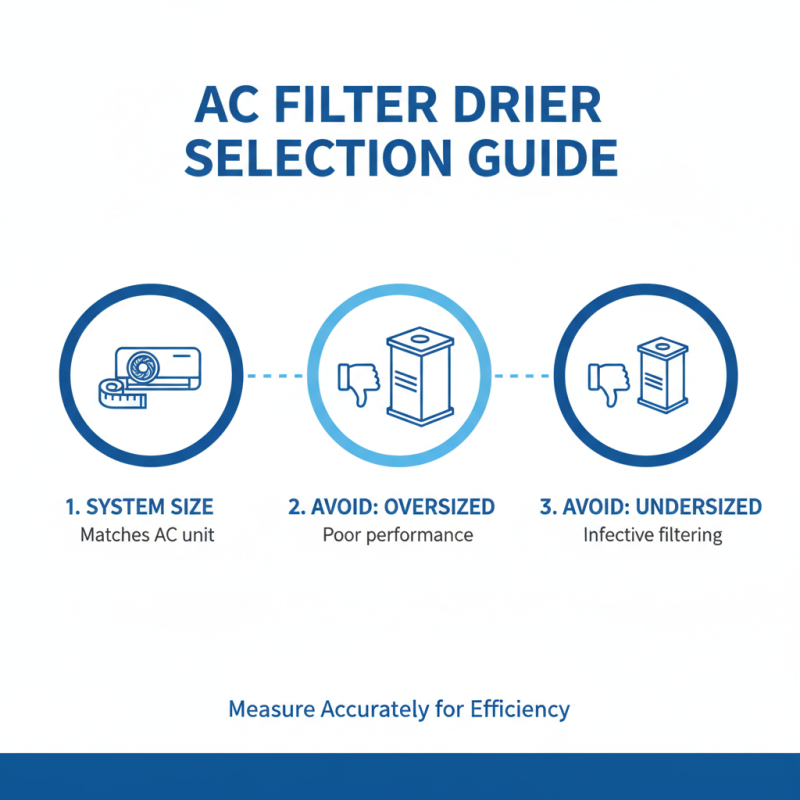
When selecting an AC filter drier, consider several important factors. Start by assessing the size of your system. A filter drier must fit correctly to work efficiently. Oversized units can lead to poor performance. Conversely, an under-sized drier won’t filter effectively. Measure your system accurately to avoid mistakes.
Another critical factor is the type of refrigerant used. Some driers are designed for specific refrigerants. Using the wrong drier can damage the system. Be aware of compatibility to ensure longevity. Also, check the moisture absorption capacity. High moisture levels can lead to corrosion and inefficiency.
Remember, the construction material matters too. Steel or aluminum options are available. Each has its benefits and drawbacks. Choose one that fits your environment. Reflect on your choices and potential pitfalls. An informed decision leads to better system performance. Consider all factors carefully before making a purchase.
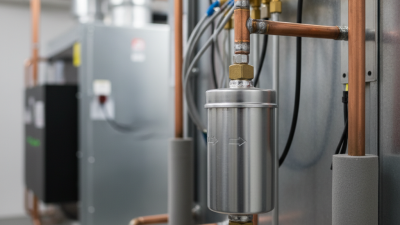
When selecting an AC filter drier, understanding the types available is crucial. Generally, there are two main types: liquid line and suction line filter driers.
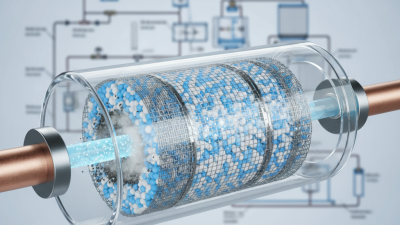
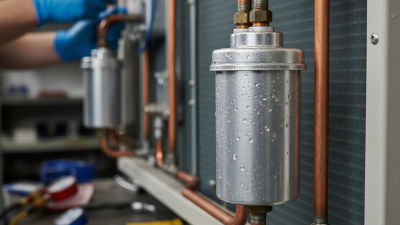
Liquid line filter driers protect the expansion valve from moisture and debris. They are crucial in high-pressure areas. On the other hand, suction line filter driers are positioned on the inlet side. They help maintain system efficiency by removing contaminants from the refrigerant.
Tips: Choose the right type based on your system’s specific needs. Ensure compatibility with your refrigerant type. Failing to do this can lead to system malfunctions.
Remember that filter driers also vary in size and capacity. Some systems may require larger units to handle greater volumes of refrigerant. If your drier is too small, it might not effectively filter contaminants. This could result in higher repair costs down the line.
Tips: Regularly check and replace your filter drier. This helps to maintain system efficiency. Neglecting this task might lead to reduced performance or system failures.
Choosing the right AC filter drier for your system involves understanding key specifications. Size is crucial. The filter drier must fit your unit's space constraints. A unit that’s too large won’t install properly. Conversely, a small drier may not perform effectively, leading to system issues.
Capacity is another significant factor. It determines how much moisture and contaminants your filter can handle. Aim for a drier that matches the cooling capacity of your air conditioning system. Sometimes, opting for a slightly higher capacity can provide extra protection. Remember, undersizing can lead to increased wear and tear.
Refrigerant compatibility is crucial, too. Different refrigerants require different kinds of filter driers. If the compatibility is off, it could damage your system. Always check the specifications to ensure the drier suits your refrigerant type.
Tips: Always measure your system before purchasing. Consider environmental conditions, too. They can affect performance. Finally, remember to consult an HVAC professional if you're uncertain. It’s better to ask than to risk making a costly mistake.
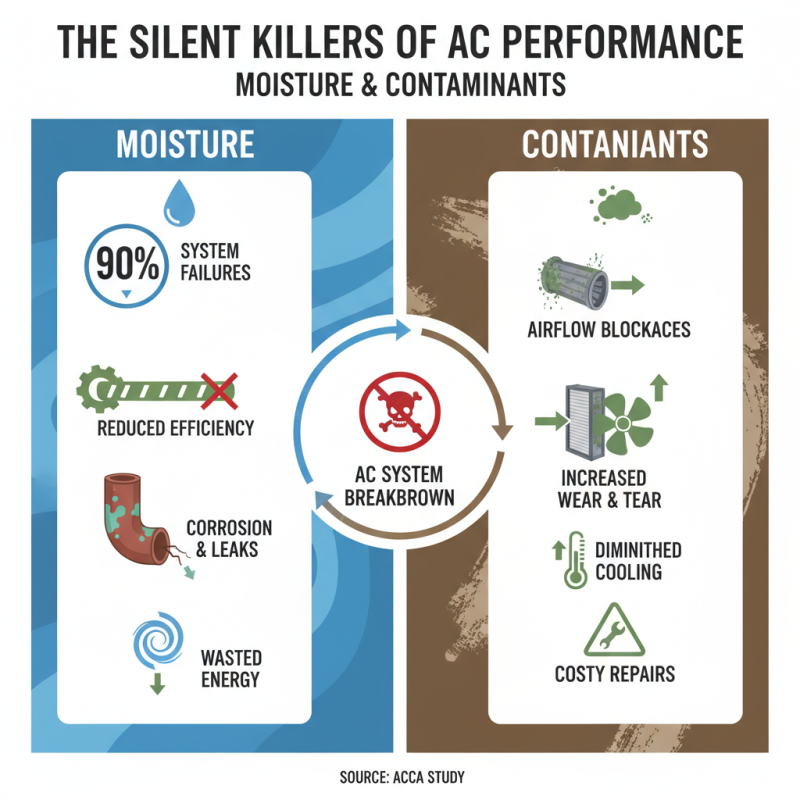
In an air conditioning system, moisture and contaminants can severely impact performance. A study by the Air Conditioning Contractors of America (ACCA) indicates that up to 90% of system failures stem from these issues. Moisture not only reduces efficiency but also promotes corrosion within components. This can then lead to refrigerant leaks, which waste energy and diminish cooling capabilities.
Contaminants such as dirt, dust, and oils can clog filters and coils. This blockage prevents proper airflow, forcing the system to work harder. According to the U.S. Department of Energy, systems with compromised airflow can see energy consumption rise by 30%. Installing a high-quality AC filter drier effectively removes moisture and impurities. However, many users overlook the importance of regular maintenance. Without this, even the best filter drier may soon become ineffective.
Selecting the correct filter drier involves understanding system specifications and local climate conditions. Oversized filters can trap too much liquid refrigerant, while undersized driers may not handle expected moisture levels. Checking the manufacturer’s guidelines can sometimes lead to confusion, as these may vary significantly. It’s crucial to strike a balance, ensuring you don’t overspend or underperform.
Regular maintenance is key to prolonging the life of your AC filter drier. A clean filter drier ensures efficient performance. Clogged filters can decrease airflow and efficiency. Inspect your filter drier every few months. Replace it if you find dust or debris buildup.
Tips: Check the manufacturer's guidelines for your specific system. Sometimes, it's easy to overlook small details. Choose the right size and type for your system. An improper fit can lead to poor performance.
Additionally, avoid frequent temperature changes. Rapid fluctuations can strain the system. Monitor refrigerant levels as well. Low levels can cause the filter drier to work harder. Overworking can lead to premature failure. Take these considerations seriously. They may save you costly repairs down the line.
| Dimension | Recommended Value | Importance |
|---|---|---|
| Refrigerant Type | R-410A, R-22 | Ensures compatibility with the system |
| Filter Drier Size | 1/4", 3/8", 1/2" | Correct sizing prevents pressure drop and system malfunction |
| Connection Type | Soldered, Flared | Proper connection type ensures leak-free installation |
| Moisture Absorption Capacity | 20 grams | Essential for preventing system corrosion |
| Working Pressure | Up to 450 PSI | Ensures safe operation under high loads |
| Temperature Range | -20°F to 125°F | Prevents performance issues in extreme environments |