Leave Your Message

How to Choose the Best Refrigerator Defrost Timer for Your Needs?

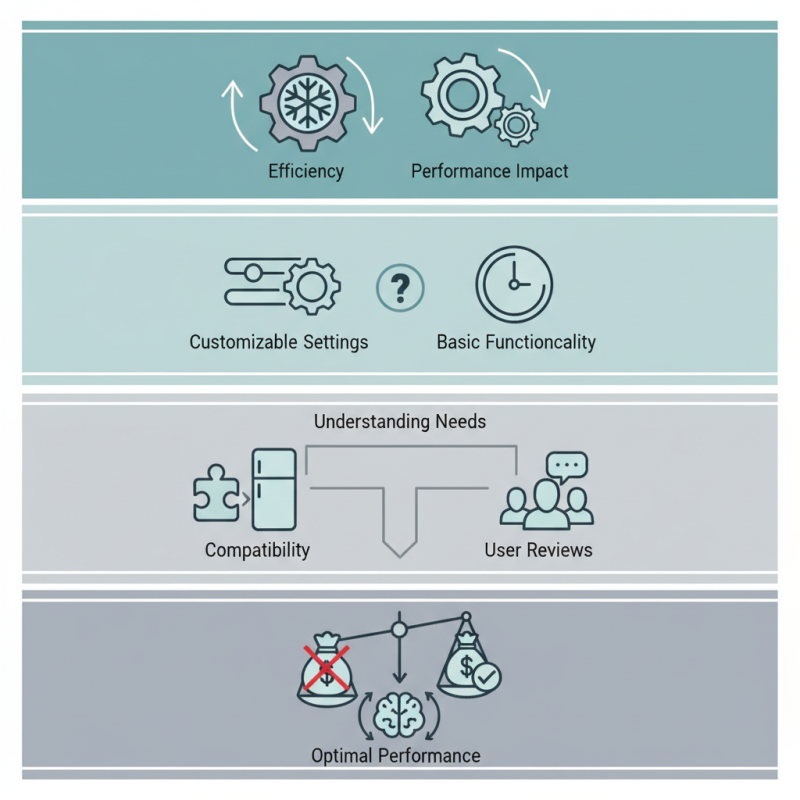
When selecting a Refrigerator Defrost Timer, the decision can significantly impact the appliance's performance. Industry expert Dr. Emily Carter states, "A proper timer can enhance efficiency and prolong the life of your refrigerator." Understanding your specific needs is critical.

Many models exist, each with unique features and specifications. Some timers offer customizable settings, while others provide basic functionality. It's essential to recognize the differences. Performance may vary, and not all timers suit every refrigerator.

Choosing the right Refrigerator Defrost Timer requires careful consideration. Factors like compatibility and user reviews play a vital role. You may find that a more expensive option does not necessarily deliver better results than a budget-friendly choice. Reflecting on these aspects will guide your purchase for optimal performance.
How to Choose the Best Refrigerator Defrost Timer for Your Needs?

Understanding the Function of Refrigerator Defrost Timers

How to Choose the Best Refrigerator Defrost Timer for Your Needs?

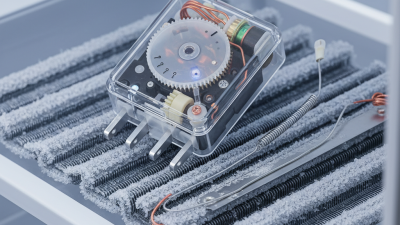
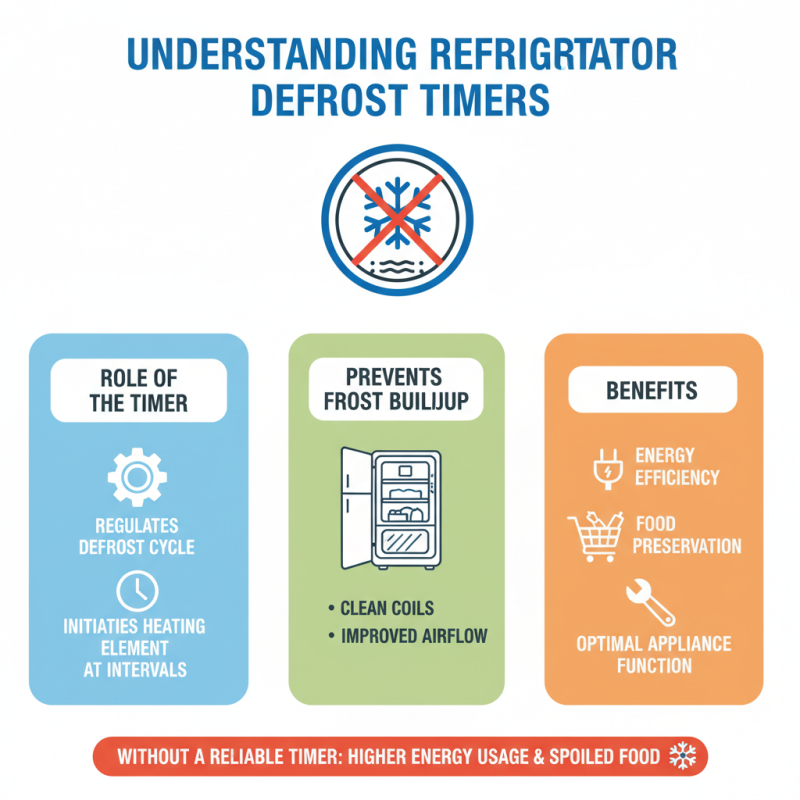
Refrigerator defrost timers play a crucial role in maintaining your appliance's efficiency. These timers control the defrost cycle by initiating a heating element at regular intervals. This process prevents frost buildup, ensuring that your refrigerator functions optimally. Without a reliable defrost timer, your unit may become less efficient, leading to higher energy usage and spoiled food.

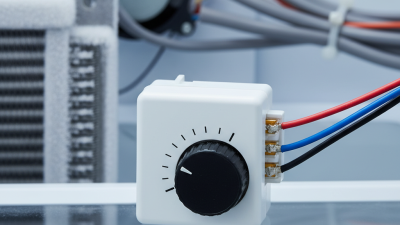
Understanding the workings of a defrost timer helps in choosing the right one for your fridge. Most timers have simple mechanisms, often involving mechanical or electronic components. However, not all timers are equal. Some users have experienced issues with timers that fail to activate or reset properly. This can lead to unnecessary frost accumulation and ultimately affect food preservation. Monitoring the timer's performance is vital for ensuring it meets your needs.

While many defrost timers are straightforward, choosing the best one involves careful consideration. Evaluate features such as compatibility with your refrigerator model and user reviews regarding reliability. Many options can seem tempting, but not all will serve you well in the long run. Take time to research and make an informed decision to avoid future frustrations.
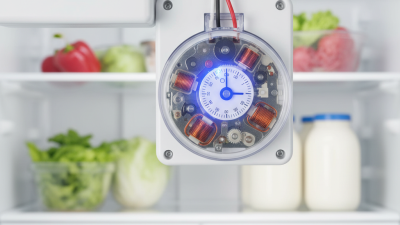
Key Features to Consider When Choosing a Defrost Timer

When selecting a defrost timer, users must consider several key features. A reliable timer can improve energy efficiency and extend the lifespan of your refrigerator. Research shows that a well-functioning defrost timer can save up to 15% on energy bills annually. This fact emphasizes the importance of making an informed choice.

One critical feature is the timer's duration settings. A good timer should offer flexibility in adjusting the defrost cycle. Standard cycles range from 6 to 12 hours, depending on the refrigerator's type and usage. Moreover, look for timers with reliable built-in sensors. These sensors detect frost build-up and optimize defrost cycles accordingly. Studies indicate that sensors can reduce frost by 30%, ensuring better cooling performance.

Another aspect to examine is the timer’s ease of installation. A complex installation process can deter users and lead to improper functioning. Opt for models that come with clear instructions. User forums often note that poor installation can lead to significant performance issues. This feedback highlights the need for consumer awareness in understanding and addressing these concerns before finalizing the purchase.

How to Choose the Best Refrigerator Defrost Timer for Your Needs? - Key Features to Consider When Choosing a Defrost Timer

Feature Description Importance Rating (1-5)
Compatibility Ensure the timer is compatible with your refrigerator model. 5
Adjustable Timing Ability to set different defrost cycles according to needs. 4
Ease of Installation Timer should be easy to install without professional help. 4
Durability The timer should be made of high-quality materials to last longer. 5
Price Consider the cost in relation to features and durability. 3
Warranty Look for timers that come with a warranty for peace of mind. 4
User Reviews Check online reviews to gauge the performance of the timer. 5

Different Types of Defrost Timers and Their Applications

How to Choose the Best Refrigerator Defrost Timer for Your Needs?

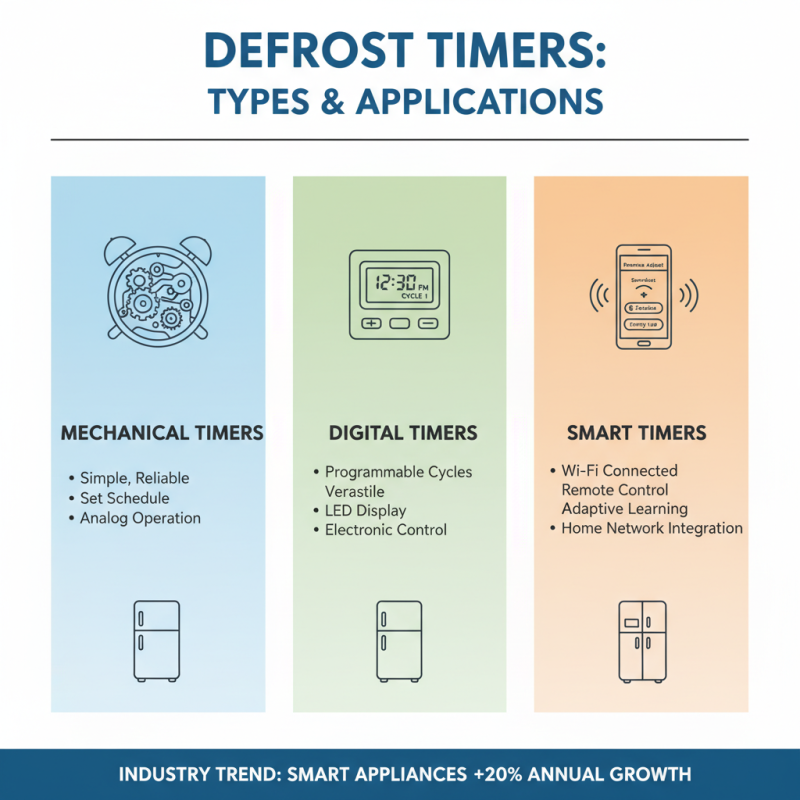
When selecting a defrost timer for refrigerators, understanding the types is crucial. Common options include mechanical, digital, and smart timers. Mechanical timers are straightforward and offer reliability, functioning on a set schedule. Digital timers are more versatile, allowing for programming different cycles. Smart timers can connect to home networks, enabling remote adjustments. According to industry studies, smart appliances are gaining traction, and their market is projected to grow by 20% annually.

Applications vary widely. For instance, mechanical timers suit commercial kitchens where equipment operates on consistent cycles. Digital timers are ideal for households, providing flexibility for different food storage needs. Smart timers cater to tech-savvy users, allowing notifications to prevent issues like frost buildup. A recent report indicated that improper defrost settings lead to 15% more energy consumption and spoilage of stored food.

Choosing the right defrost timer can greatly impact efficiency. Explore specifications carefully. Not all timers work optimally for every refrigerator model. It's essential to evaluate energy ratings and user feedback. A well-reviewed timer can enhance appliance longevity, while one lacking reliability can cause unnecessary inconvenience. Ensure that your choice aligns with your usage habits and operational requirements.

How to Determine the Right Size and Capacity for Your Needs

Choosing the right size and capacity is crucial when selecting a refrigerator defrost timer. Many households underestimate their needs, resulting in inefficiency. An industry report indicates that up to 30% of energy consumption in refrigerators can be attributed to improper sizing. Each year, unnecessary energy waste adds up, impacting both the environment and utility bills.

To determine the appropriate size, consider your household’s food storage habits. A family of four may require a refrigerator with a capacity of at least 20 cubic feet. Conversely, a single person might only need around 10 cubic feet. Utilizing tools like the U.S. Department of Energy's guidelines can aid in making informed decisions. However, factors such as layout and frequency of use often complicate the choice.

Reflecting on past purchases, many consumers realize they have either overestimated or underestimated their requirements. This misjudgment can lead to excessive defrost cycles or inadequate food preservation. It's essential to balance personal needs with practical considerations. Engaging with professionals can provide tailored advice and help avoid common pitfalls.

Refrigerator Defrost Timer Size and Capacity Comparison

This bar chart displays the recommended size and capacity of refrigerator defrost timers based on different needs such as small, medium, and large refrigerators. The size is measured in hours for the timer, and the capacity is in cubic feet.

Installation and Maintenance Tips for Defrost Timers

When installing a defrost timer, selecting a suitable location is key. It should be easily accessible yet protected from moisture. This helps ensure reliable function. Follow the manufacturer's instructions closely for proper wiring. A common mistake is overlooking the connections, which can lead to malfunctions. Double-check each connection for a secure fit.


Maintenance is essential for prolonging the life of your defrost timer. Dust buildup can affect performance. Regular cleaning with a soft cloth can prevent this issue. Pay attention to any strange sounds or inconsistent temperatures. These may indicate a problem with the timer. Listening to these signs can save you from costly repairs.


Reflect on your defrost timer's performance periodically. Are there frequent ice buildups? This might signal that your timer is not working correctly. Keeping a maintenance log helps track changes over time. This practice enhances reliability and can lead to better decisions in the long run.