How to Choose the Right Recovery Filter Drier for Your Needs?
Choosing the right Recovery Filter Drier is crucial for any HVAC system. These components are essential for removing moisture and contaminants from refrigerants. According to a 2022 industry report, improper filtration can reduce system efficiency by up to 30%. This underlines the importance of selecting an appropriate filter drier.
Different applications require varying specifications. A residential system may not need the same capacity as a commercial one. A study by the HVAC Association indicates that systems with inadequate filter driers often face frequent breakdowns. Such failures can lead to costly repairs and prolong downtime. Thus, the implications of choosing the right Recovery Filter Drier extend beyond mere functionality.
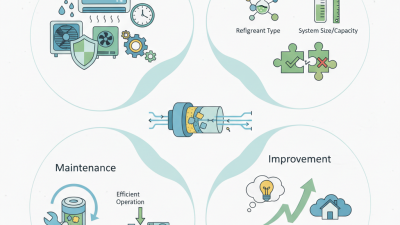
While manufacturers offer extensive options, not all products suit specific needs. Misalignment can result in lower performance and increased wear on system components. To avoid these mistakes, one must thoroughly assess factors like refrigerant type, flow rate, and environmental conditions. The task can be daunting, yet it is vital to ensure system reliability and longevity. Choosing wisely can lead to clearer, more efficient operations.
Understanding the Function of Recovery Filter Driers in HVAC Systems
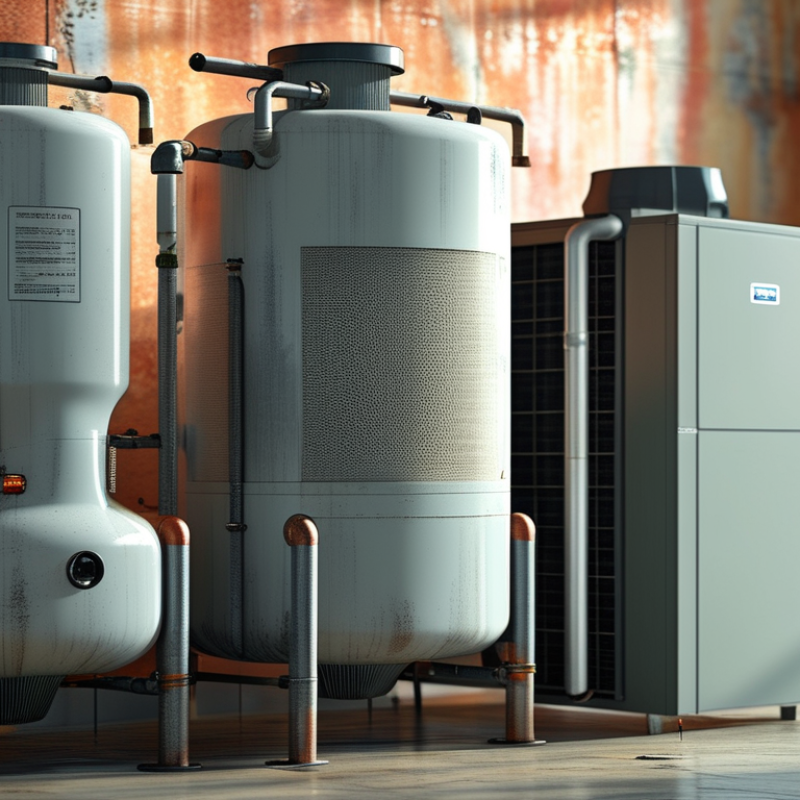
Recovery filter driers play a critical role in HVAC systems. They remove moisture and contaminants from refrigerants, ensuring optimal performance and longevity. According to the Air Conditioning, Heating, and Refrigeration Institute (AHRI), approximately 25% of HVAC system failures relate to moisture intrusion. This highlights the need for robust filter driers in any cooling system.
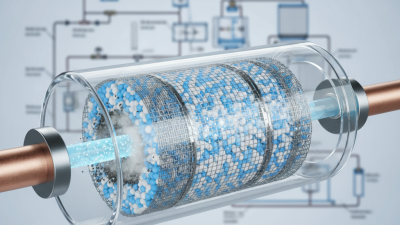
A recovery filter drier acts like a sponge. It absorbs excess moisture, protecting components such as compressors and evaporators. These systems also trap particulates, which can harm system efficiency. A study by the American Society of Heating, Refrigerating and Air-Conditioning Engineers (ASHRAE) shows that proper filtration can enhance HVAC energy efficiency by up to 30%. This demonstrates the tangible benefits of investing in a quality recovery filter drier.
Selecting the right filter drier is not always straightforward. Factors such as system size, refrigerant type, and environmental conditions must be considered. Not all filter driers are created equal. Some may not meet the requirements for high-efficiency systems. Proper research and expert advice are essential for making informed decisions. Relying solely on product specifications without understanding your specific needs can lead to inefficiencies.
Assessing the Types of Recovery Filter Driers Available in the Market
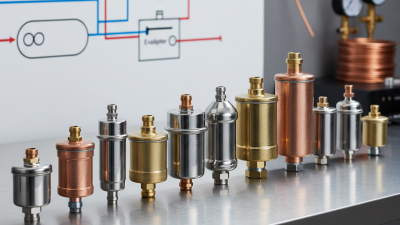
When choosing a recovery filter drier, understanding the various types available is crucial. The market offers several designs, including traditional core driers and newer models with enhanced features. Key performance indicators such as moisture removal efficiency and contamination absorption capacity should guide your decision. According to recent industry reports, moisture can account for up to 70% of a system's failures, emphasizing the importance of choosing the right filter.
Users must assess their specific needs. For instance, standard driers may suffice for smaller systems, while larger commercial setups often require high-capacity options. Performance data shows that high-efficiency driers can extend system lifespan by an average of 25%. However, these more sophisticated units may have a steeper learning curve and higher initial costs. Reflecting on the balance between immediate cost savings and long-term benefits becomes essential in this context.
Another consideration is the compatibility with refrigerants. Modern driers accommodate various refrigerant types, making them versatile. However, not all driers perform equally across refrigerant groups. Inconsistent performance could lead to costly repairs later. Thus, understanding the specifications and testing results is paramount. The wrong choice can have far-reaching implications for system efficiency and reliability. It's a challenge worth navigating carefully.
Identifying Key Factors for Selecting a Recovery Filter Drier
Choosing the right recovery filter drier is crucial for efficient refrigerant recovery. Several key factors play a significant role in the selection process. First, consider the system’s size. A larger system may require a filter drier with a higher capacity for moisture and particulate removal. According to a report by the Air Conditioning, Heating, and Refrigeration Institute (AHRI), systems with improper filter drier sizing can experience up to 15% loss in efficiency. This loss can be significant.
Next, evaluate the refrigerant type. Different refrigerants may require specific filter dryers to address chemical compatibility. A study published in the International Journal of Refrigeration highlighted that using incompatible materials can lead to system failures and increased maintenance costs. Users must stay informed about the latest refrigerant regulations and select options that can handle refrigerants effectively.
Also, consider the operating conditions. High-temperature environments can affect the performance of the filter drier. Inadequate filtering can lead to contamination and reduced efficiency, ultimately impacting system longevity. Engaging with recent industry data and insights is vital. The decision-making process must include thorough research and possibly consultation with experts to ensure optimal performance. Without careful consideration, the wrong choice may lead to operational challenges.
How to Choose the Right Recovery Filter Drier for Your Needs? - Identifying Key Factors for Selecting a Recovery Filter Drier
| Key Factor |
Description |
Importance Level |
Recommended Value |
| Refrigerant Compatibility |
Ensure the filter drier is compatible with the type of refrigerant used in your system. |
High |
Compatible with R-410A, R-22, and others as needed |
| Capacity |
Select a drier that can handle the refrigerant flow rate of your system. |
Medium |
Based on system tonnage (e.g., 1-5 tons) |
| Moisture Removal |
The ability to remove moisture effectively from the refrigerant. |
High |
0.1 ppm or lower |
| Micro-Filtering |
The presence of micro-filters to capture particles in the refrigerant. |
Medium |
10 microns or finer |
| Size and Weight |
Consider the physical dimensions and weight of the drier for installation convenience. |
Low |
Compact design preferred |
Evaluating Compatibility with Refrigerants and System Requirements
When selecting a recovery filter drier, it’s crucial to evaluate its compatibility with your refrigerants and system requirements. Different refrigerants have unique properties that can affect the performance of filter driers. For example, some driers are designed specifically for R-410A, while others may work best with R-134a. Understanding these specifications can save time during installation and prevent future equipment failure.
Consider the system's pressure and temperature ranges. A drier that doesn't match these parameters may lead to inefficiencies. Pay attention to the size, too; an incorrectly sized drier can disrupt the refrigerant flow, causing issues. Reflections on past experiences can guide decisions. If a previous installation didn't go smoothly due to the drier choice, it's essential to learn from that mistake.
Compatibility is more than just technical specifications. Sometimes, a seemingly compatible drier still underperforms. An underlying issue might be overlooked. Whenever possible, consult with an experienced technician. Their expertise can ensure better choices. Having reliable information and support is invaluable in maintaining system integrity.
Maintenance Considerations for Ensuring Optimal Performance of Driers
Proper maintenance is crucial for recovery filter driers to function optimally. Regularly checking the drier's maintenance indicators can help identify potential issues early. Research shows that up to 40% of HVAC system failures stem from improper maintenance of components like filter driers. A clean, properly functioning drier can improve overall system efficiency, ultimately saving costs on energy bills.
Monitoring refrigerant levels is essential. Inconsistent refrigerant amounts can lead to moisture accumulation in the system. The presence of moisture compromises the drier’s ability to filter contaminants, resulting in suboptimal performance. According to industry data, approximately 20% of HVAC systems experience reduced efficiency due to moisture-related issues.
It's also important to consider the installation environment. High humidity can strain drier performance. Dust and debris can block airflow, reducing effectiveness. Regular cleaning and inspections can address these factors. A well-maintained filter drier can extend its lifespan and enhance the reliability of the cooling system, reflecting the investment put into HVAC infrastructure. Maintaining open communication with technicians can yield insights into potential maintenance adjustments and necessary replacements.
How to Choose the Right Recovery Filter Drier for Your Needs?
This chart illustrates key performance metrics to consider when selecting a recovery filter drier. These metrics include capacity, moisture removal rate, operating temperature, and pressure drop, which are crucial for ensuring optimal performance and longevity of your driers.