How to Choose a Heat Pump Filter Drier for Optimal Performance?
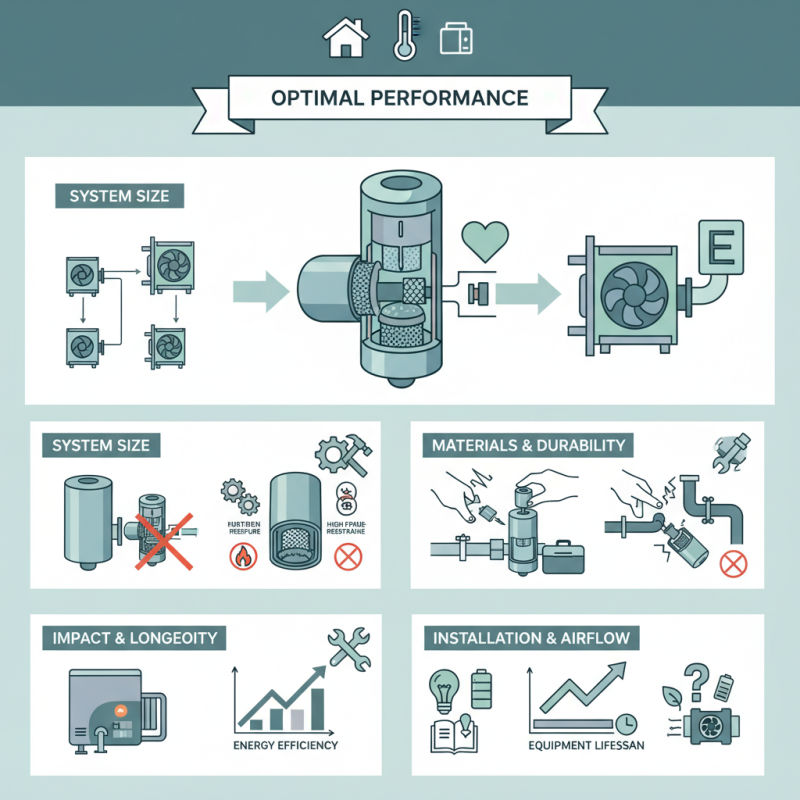
Choosing the right Heat Pump Filter Drier is crucial for optimal system performance. Industry expert Dr. Alice Thompson emphasizes, “The filter drier is the heart of your system.” This highlights its importance in maintaining efficiency. A high-quality filter drier prevents contaminants from damaging your heat pump.
Many factors affect your choice. The size of your system matters. A mismatch can lead to inefficient performance. Materials used in construction are equally important. They should withstand high pressures and temperatures. This is not a decision to take lightly.
It's also essential to consider installation conditions. Incorrect installation can lead to failure. Don't underestimating the effects of filters in operational systems. Ensuring optimal airflow is vital. Take the time to research and reflect. Your choice will impact energy efficiency and longevity. In the world of heat pumps, ignorance is not bliss.
Understanding Heat Pump Filter Drier Functions and Importance
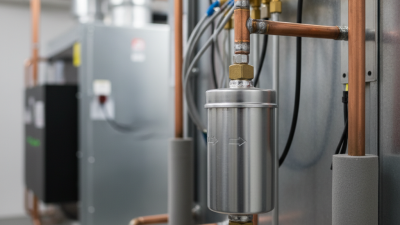
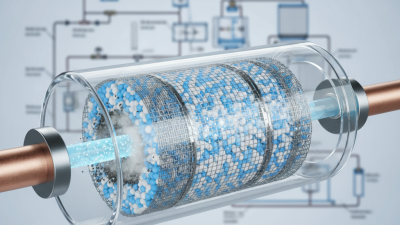
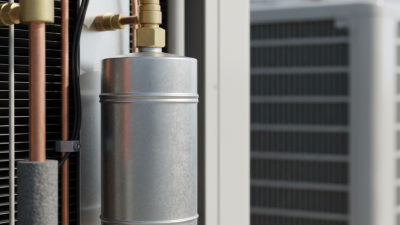
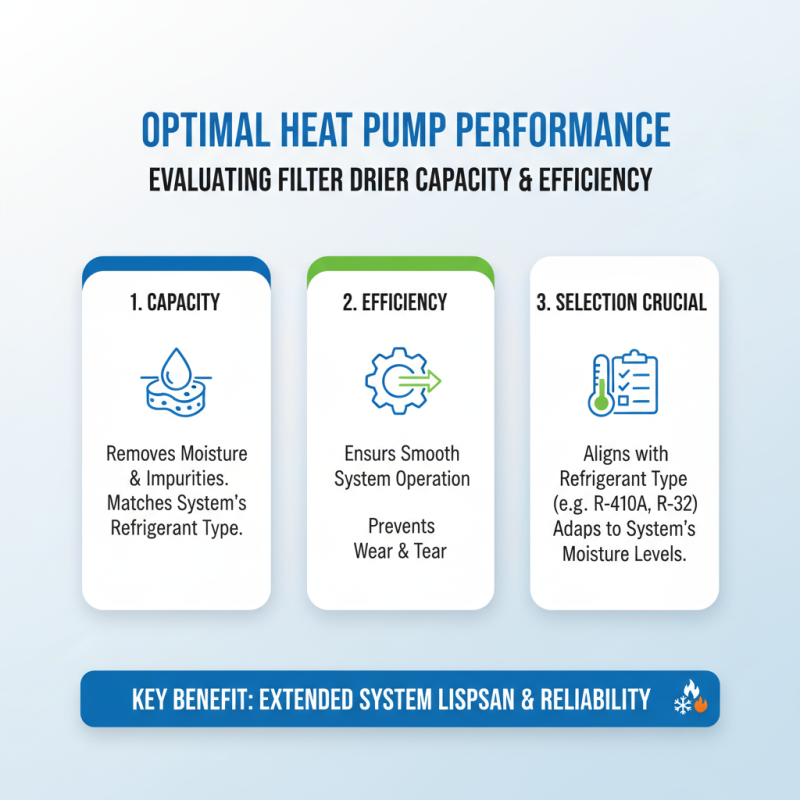
A heat pump filter drier plays a crucial role in the overall efficiency of your heating system. It serves to remove moisture and impurities from the refrigerant. This helps prevent corrosion and damage to the system's components. Without a reliable filter drier, your heat pump may face operational issues, leading to costly repairs.
Choosing the right filter drier is not always straightforward. Many factors come into play, such as the heat pump size and refrigerant type. Some may overlook these details, leading to inadequate filtration. This can result in lower performance and increased energy costs. It’s essential to consider the manufacturer’s recommendations and specifications for optimal selection.
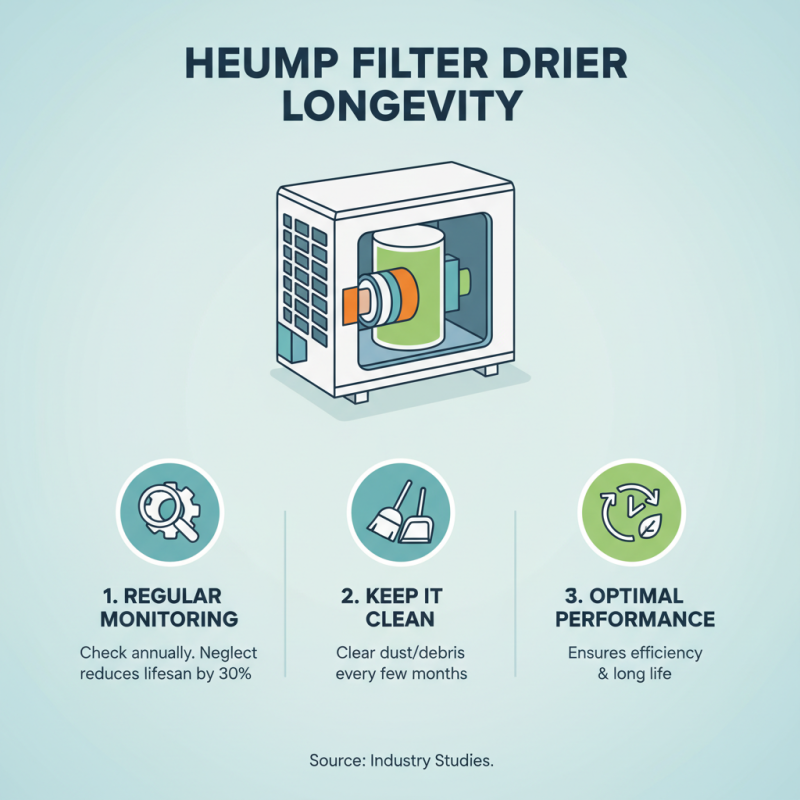
Regular maintenance of the filter drier is also vital. Clogs can develop over time, impeding airflow and reducing efficiency. Be mindful of how often you check this component. Neglecting it can lead to unintended consequences, such as overheating or inefficient heating. Balancing performance and upkeep should remain a priority for an effective heat pump system.
Heat Pump Filter Drier Performance Analysis
This chart illustrates the efficiency of different types of heat pump filter driers based on their moisture removal capacity and pressure drop performance.
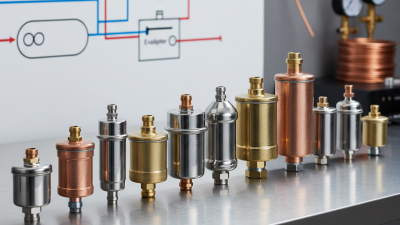
Types of Heat Pump Filter Driers: Choose the Right One for Your System
When selecting a heat pump filter drier, understanding the types available is crucial. Common options include
liquid line driers,
suction line driers, and heat driers. Liquid line driers are installed in the refrigerant line before the expansion device.
They ensure purity by trapping moisture and debris. Suction line driers, on the other hand, are positioned before the compressor to protect it from contaminants.
Understanding your specific system helps in choosing the right filter drier. Factors like size,
refrigerant type, and system design determine compatibility. Not every drier suits every system, which can lead to inefficiencies and damaging effects.
For instance, using a drier with improper capacity can restrict refrigerant flow.
Tips to consider: always measure the line size accurately before purchasing. This ensures a proper fit.
Check the refrigerant type to avoid reactions that can harm the system. Regular maintenance of the filter drier prolongs its lifespan and optimizes performance.
Ignoring these details can result in poor function and unnecessary costs. Choose wisely; the right product can make a significant difference in efficiency.
Key Specifications to Consider in Heat Pump Filter Drier Selection
Choosing the right heat pump filter drier is crucial for optimal system performance. One key specification to consider is the drier's size. It should match the refrigeration system's capacity. If the size is too small, it won’t effectively manage moisture and contaminants. Too large, and it may lead to pressure drops, impacting efficiency.
Another important factor is the type of desiccant used. Various materials absorb moisture differently. Some options can handle more water, while others are more suited for specific applications. Ensure the selected desiccant aligns with system demands. It should effectively protect the system without degrading over time.
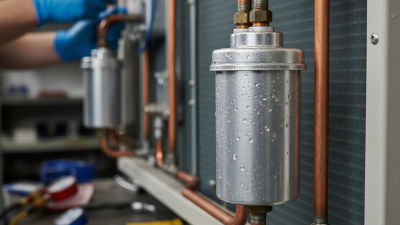
Finally, check the pressure rating of the filter drier. Higher pressure systems need components that can endure more stress. Neglecting this could result in premature failures or leaks. Don't overlook the installation process, as a poorly installed drier can hinder performance. You must always assess these specs to ensure reliable operation.
How to Choose a Heat Pump Filter Drier for Optimal Performance?
| Specification |
Description |
Importance Level |
| Refrigerant Type |
Compatibility with refrigerants like R-410A, R-134A, etc. |
High |
| Micron Rating |
The size of particles that the filter can effectively remove. |
Medium |
| Capacity |
Amount of refrigerant that can be processed, usually in pounds. |
High |
| Pressure Rating |
The maximum pressure the filter drier can handle. |
High |
| Dimensions |
Physical size to ensure fit in the application. |
Medium |
| Temperature Range |
Operational temperature limits. |
Medium |