How to Choose the Right Mini Fridge Thermostat for Your Needs?
Choosing the right Mini Fridge Thermostat is essential for optimal performance and energy efficiency. According to the U.S. Department of Energy, cooling appliances account for nearly 15% of household energy use. Selecting a thermostat that meets your specific needs can significantly reduce power consumption.
When it comes to mini fridges, a well-functioning thermostat ensures consistent temperatures. Maintaining the right temperature prevents food spoilage and energy waste. Reports suggest that an accurate thermostat can improve energy efficiency by up to 40%. However, not everyone knows how to select one that suits their lifestyle.
In this competitive market, consumers often overlook essential features. They might prioritize price over reliability. Brands vary in quality, and mixed reviews are common. An informed decision can mitigate these risks. Understanding the specifications and features of different Mini Fridge Thermostats is vital for making the best choice.

Understanding the Importance of a Mini Fridge Thermostat
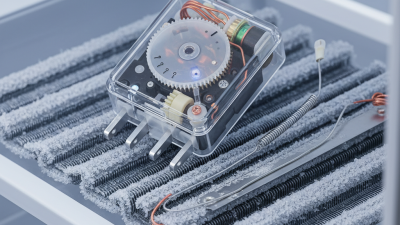
When it comes to mini fridges, the thermostat is a vital component. It regulates the temperature inside the unit, ensuring that your food and beverages remain fresh. Without a proper thermostat, your mini fridge could become too cold, freezing items, or too warm, leading to spoilage. Understanding how this device works is key to making the right choice.
A mini fridge thermostat can be manual or digital. Manual thermostats are usually simpler and less expensive. However, they may not offer the precise control that some users need. Digital thermostats, on the other hand, provide accuracy and often come with features like temperature displays. They can be more reliable in maintaining the right conditions, but they may also require more maintenance. Assess your usage patterns and preferences carefully to decide what thermostat type suits you best.
It's essential to reflect on your specific situation. Are you using the fridge for perishable food or just drinks? Different needs will determine the best thermostat option. Consider factors such as the fridge's location and ambient temperature. Sometimes, lower price options can lead to frustrations with inconsistent temperatures. Prioritize functionality over cost, as it can save you headaches later on.
Types of Mini Fridge Thermostats and Their Functions
When selecting a mini fridge thermostat, understanding the types available is essential. There are primarily two kinds: mechanical thermostats and electronic thermostats. Mechanical thermostats tend to be less expensive and easier to operate. They use a simple dial to adjust the temperature. However, they may lack precision, which can lead to temperature fluctuations. According to a 2022 industry report, nearly 35% of users experienced issues with mechanical thermostats maintaining consistent temperatures.
On the other hand, electronic thermostats provide more accurate temperature control. They employ digital displays and sensors. These thermostats adjust automatically, improving energy efficiency. A 2023 study highlighted that mini fridges equipped with electronic thermostats saved an average of 15% more energy compared to their mechanical counterparts. This may justify their higher initial cost.
Choosing the right thermostat depends on your specific needs. If cost is a priority, mechanical options may suffice. However, for long-term reliability and efficiency, electronic models stand out. Evaluate the features honestly. Will basic temperature settings meet your requirements? Small adjustments can lead to energy savings down the line.
Mini Fridge Thermostat Types and Functions
Key Features to Consider When Selecting a Thermostat
When selecting a mini fridge thermostat, several key features warrant careful consideration. Start with temperature range. Some fridges need to operate in colder environments, while others work best at higher temperatures. Check if the thermostat can maintain a consistent temperature throughout its range. This detail can make a difference in preserving your food and beverages.
Another crucial factor is ease of use. Look for thermostats with straightforward controls and clear displays. Digital interfaces are often easier for quick adjustments. A simple design helps avoid confusion, especially for those unfamiliar with temperature settings.
**Tips:**
- Think about energy efficiency. Thermostats that consume less power lower your electric bill.
- Consider compatibility with your fridge model. Not all thermostats work universally.
- Pay attention to accuracy. A poorly calibrated thermostat can lead to spoilage.
How to Choose the Right Mini Fridge Thermostat for Your Needs?
| Feature |
Description |
Importance |
| Temperature Range |
The span of temperatures the thermostat can control. |
Essential for ensuring optimal cooling. |
| Digital vs. Analog |
Digital offers precise control, while analog is simpler and often cheaper. |
Affects usability and accuracy in temperature maintenance. |
| Ease of Installation |
The complexity involved in setting up the thermostat. |
Crucial for users who prefer DIY solutions. |
| Durability |
The build quality and longevity of the thermostat. |
Important for long-term reliability. |
| Energy Efficiency |
The amount of power the thermostat consumes. |
Critical for reducing energy bills. |
| Functionality |
Features like frost control, temperature alarms, etc. |
Enhances user experience and prevents spoilage. |
Tips for Installing and Calibrating Your Mini Fridge Thermostat
When installing and calibrating a mini fridge thermostat, attention to detail is essential. Positioning the thermostat properly can greatly influence its performance. Ensure that it is not obstructed by shelves or food items, as this could result in inaccurate temperature readings. Ideally, place it in the middle section of the fridge for optimal airflow and temperature regulation.
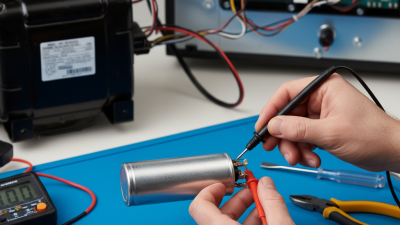
Calibrating your thermostat is an important step that many overlook. You may find that the settings do not match the internal temperature as expected. Use a reliable thermometer to check the actual temperature inside the fridge. If adjustments are needed, refer to your thermostat’s manual for guidance. However, be prepared for some trial and error. It may take multiple attempts to achieve the perfect balance.
Once you've made adjustments, wait a few hours before checking again. This waiting period helps the thermostat stabilize and provides a more accurate reading. Not every fridge will respond the same way, so it's crucial to be patient. If you find that your fridge is still not maintaining the desired temperature, consider reevaluating the placement of the thermostat or even the door seals, which can also impact performance.
Common Issues and Troubleshooting for Mini Fridge Thermostats
Mini fridges are practical appliances, but their thermostats can often cause frustration. Many users report issues such as inconsistent temperatures and abrupt cycling. A study found that nearly 30% of mini fridge owners encounter thermostat problems in the first year. Inconsistent cooling can lead to food spoilage, impacting health and safety.
Troubleshooting begins with checking the thermostat settings. Users frequently overlook the fact that a simple adjustment may restore temperature regulation. Sensors can malfunction due to dust buildup or misplacement within the unit, leading to inaccurate readings. Industry experts suggest cleaning the coils at least once a year to enhance efficiency and lifespan.
Another common concern involves ice buildup. This can drastically affect cooling performance. If ice forms near the thermostat, it can falsely signal warmer temperatures. In such cases, it might be necessary to manually defrost the fridge. Monitoring the fridge for irregular sounds can also help identify problems early, allowing for timely maintenance. Often, these small tweaks can prevent larger failures down the line.