How to Choose the Right Filter Dryer for Your Compressor?
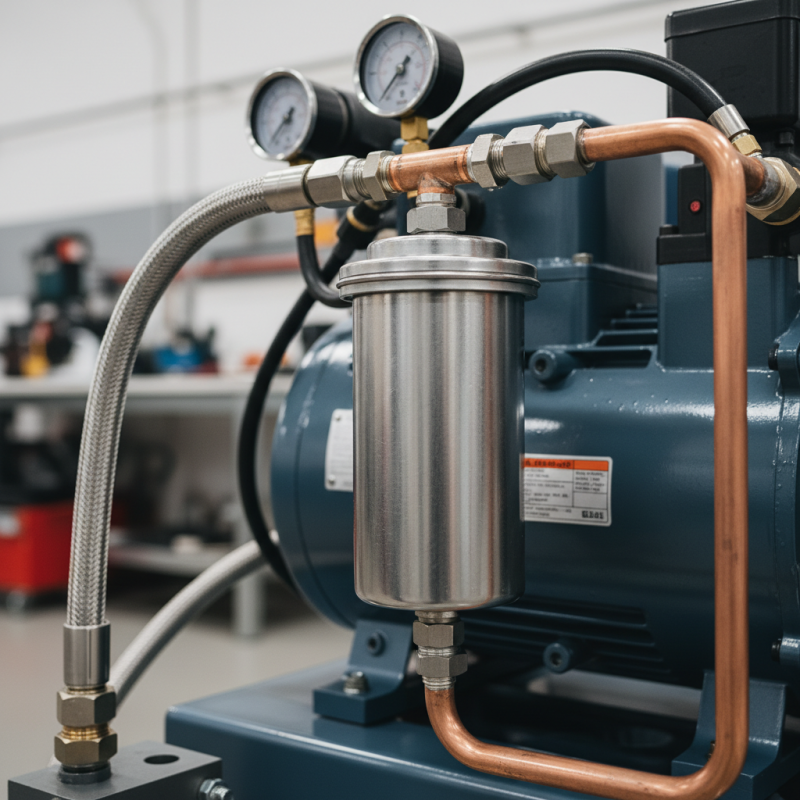
Choosing the right filter dryer for your compressor is crucial for optimal performance. A suitable filter dryer prevents moisture and contaminants from damaging your system. It enhances efficiency and prolongs the lifespan of the compressor.
When selecting a filter dryer for compressor, consider the type of compressor you have. Different compressors require different capacities and sizes. Conducting thorough research can help avoid costly mistakes. You'll need to assess your specific needs and conditions.
Also, not all products meet the highest standards. Some may not perform as advertised. It’s essential to review testimonials and ratings from other users. Make informed choices by considering both performance and reliability. An appropriate filter dryer will ultimately improve your operational processes.
Understanding the Role of Filter Dryers in Compressors
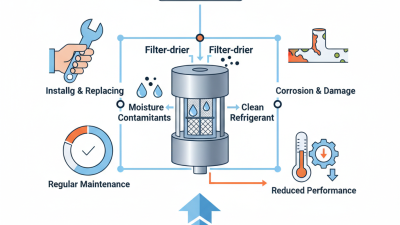
Filter dryers play a crucial role in the operation of compressors. They help remove contaminants such as moisture and particulates from the compressed air. This process protects downstream equipment and enhances performance. Without proper filtration, compressors can suffer from corrosion and damage, leading to costly repairs.
In selecting the right filter dryer, it’s essential to understand the specific needs of your system. Factors like air quality, flow rate, and operating pressure are vital. A mismatch can compromise efficiency. Many users overlook these aspects, resulting in suboptimal performance. Regular maintenance also plays a key role in keeping filter dryers effective.
Choosing a suitable filter dryer is not just about efficiency; it’s about reliability. A good filter dryer will extend the lifespan of your compressor. However, some users might find the process daunting. They often question whether they made the best choice. Testing different options can yield insights, but it may take time to find the right fit.
How to Choose the Right Filter Dryer for Your Compressor?
| Filter Dryer Type |
Application |
Max Operating Pressure (Bar) |
Max Operating Temperature (°C) |
Filter Efficiency (%) |
| Refrigerant Filter Dryer |
Refrigeration Systems |
30 |
60 |
99 |
| Desiccant Dryer |
Compressed Air Systems |
16 |
70 |
95 |
| Coalescing Filter |
Hydraulic and Pneumatic Systems |
20 |
80 |
98 |
| Particulate Filter |
Industrial Applications |
25 |
65 |
99.5 |
Identifying Key Factors for Selecting a Filter Dryer
When selecting a filter dryer for a compressor, several critical factors come into play. The efficiency of a filter dryer is measured by its ability to remove contaminants from compressed air. According to industry reports, approximately 70% of compressor failures are associated with inadequate filtration. The right filter dryer can significantly reduce maintenance costs and downtime.
The type of contaminants is another key consideration. Oil, moisture, and particulate matter are common issues. A study showed that moisture can lead to corrosion and product spoilage, costing businesses thousands in damages. Therefore, knowing the specific environment of operation can help in choosing the right filter dryer that addresses these issues effectively.
Size and capacity are also vital. Overestimating requirements can lead to inefficient performance. A smaller filter might need frequent changes, while an oversized unit can waste energy. Data indicates that optimal sizing can improve operational efficiency by up to 40%. Reflecting on these factors ensures that the chosen filter dryer meets the unique demands of your system.
Comparing Different Types of Filter Dryers for Compressors
When selecting a filter dryer for your compressor, it's essential to understand the various types available. Desiccant dryers, for example, excel in removing moisture. They operate at low temperatures and can achieve dew points as low as -40°F. In contrast, refrigerant dryers can be more energy-efficient in moderate climates but may not reach such low dew points.
Another critical type is membrane dryers. They efficiently separate moisture from air using a semi-permeable membrane. Data shows that these dryers can reduce moisture levels by up to 99%. However, they might struggle with fluctuating pressure or high flow rates. It's important to consider your specific application needs before making a choice.
Industry reports indicate that improper selection of filter dryers can lead to increased maintenance costs and equipment inefficiencies. In fact, approximately 25% of energy use in pneumatic systems is wasted due to inadequate moisture control. Identifying the right filter dryer goes beyond initial costs; it’s a long-term investment in system reliability and operational efficiency. With careful assessment, facilities can avoid the pitfalls of selecting the wrong technology.
Evaluating Size and Capacity Requirements for Your Application
Choosing the right filter dryer for your compressor requires careful consideration of size and capacity needs. Start by assessing your application’s specific requirements. The compressor's flow rate and the working pressure are crucial factors. For instance, a larger flow rate will demand a more capacious dryer. Manufacturers often provide guidelines to help determine these specifications, but real-world usage can vary.
It's vital to consider the operating environment as well. Humidity levels can impact performance. If the machine operates in a high humidity area, the dryer should have a higher capacity to manage moisture effectively. Moreover, think about maintenance and accessibility. A large filter dryer may be effective but also challenging to clean. Periodic maintenance is essential, and if access is limited, it can lead to prolonged downtime.
Remember to evaluate the future needs of your application. Will your operations expand? A filter dryer that meets current specifications may not suffice down the line. Balancing initial costs with long-term reliability and performance is essential. Sometimes, it's worth investing a bit more in a drying solution that can adapt to changing requirements. Reflecting on these details can help you make the right choice.
How to Choose the Right Filter Dryer for Your Compressor?