Top 10 Benefits of Using HVAC Filter Drier for Efficiency and Longevity?
In the HVAC industry, efficiency and longevity are critical. One key component that enhances these factors is the HVAC Filter Drier. According to a recent market report, HVAC systems with proper filtration can achieve 15% improvement in energy efficiency. This results in lower operating costs and longer equipment lifespan. Using an HVAC Filter Drier removes moisture and contaminants, which can cause significant damage over time.
Moreover, studies indicate that untreated systems can face failures, leading to up to 30% increase in repair costs. The HVAC Filter Drier acts as insurance against such failures. However, some users overlook its importance, leading to higher operational risks. While the financial benefits are clear, the initial cost of an HVAC Filter Drier may deter some decision-makers.
Ensuring the installation of this component can improve air quality and system performance. It’s essential to recognize that neglecting this part could have long-term adverse effects. Despite the clear advantages, not every system incorporates modern filtration technology. Evaluating and retrofitting systems with HVAC Filter Driers can lead to significant operational improvements and satisfactions.
Overview of HVAC Filter Drier Functionality and Design
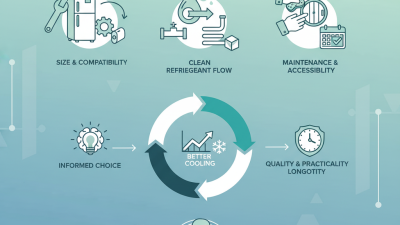
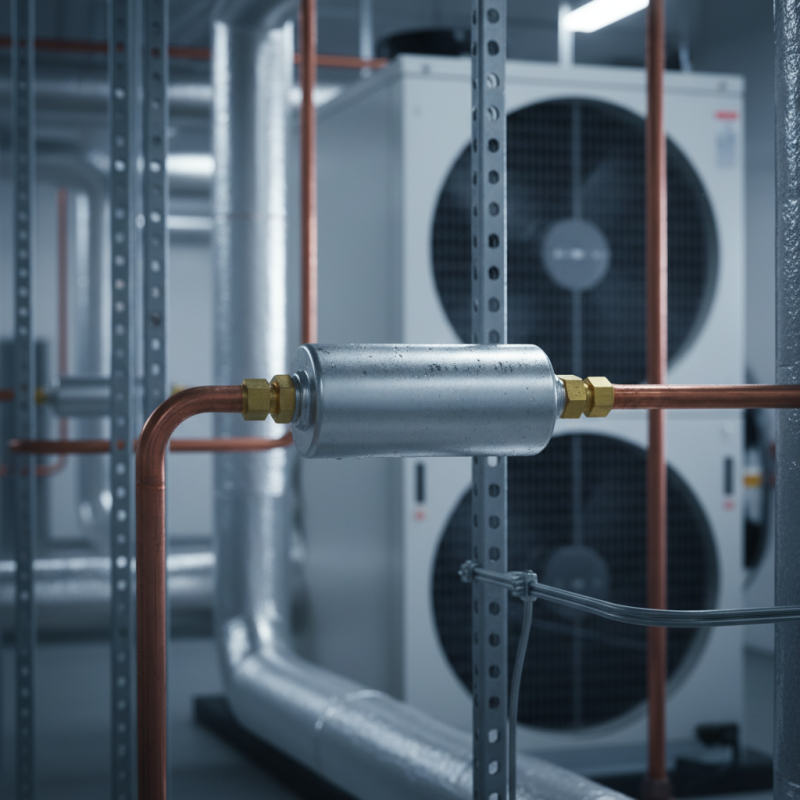
HVAC filter driers play a critical role in the efficiency and longevity of heating and cooling systems. They are designed to remove moisture and contaminants from refrigerants, which are essential for optimal system performance. A report from the Air Conditioning, Heating, and Refrigeration Institute (AHRI) states that a clean refrigerant system can improve efficiency by up to 15%. This reduction in energy consumption not only leads to lower utility bills but also reduces wear on the HVAC system, extending its lifespan.
The design and functionality of filter driers ensure that allergens, dust, and moisture do not disrupt the refrigerant flow. When moisture enters the system, it can cause ice formations or corrosion. According to the Refrigeration Institute, about 30% of HVAC failures are due to moisture-related issues. Regular maintenance is vital, yet many neglect it until breakdowns occur. The filter drier acts as a proactive measure, potentially saving thousands on repairs and replacements over time.
However, not all filter driers are created equal. Choosing the right one varies depending on system type and refrigerant used. Some systems may function poorly with generic driers, which can lead to inefficiencies. Ensuring compatibility is essential for maintaining optimal performance. Decisions about HVAC components should be informed and thoughtful, as they significantly impact overall effectiveness.
Top 10 Benefits of Using HVAC Filter Drier for Efficiency and Longevity
This chart illustrates the top 10 benefits of using an HVAC filter drier, rated on a scale from 1 to 10. Each benefit reflects the importance of ensuring a well-functioning HVAC system which contributes to overall efficiency and longevity.
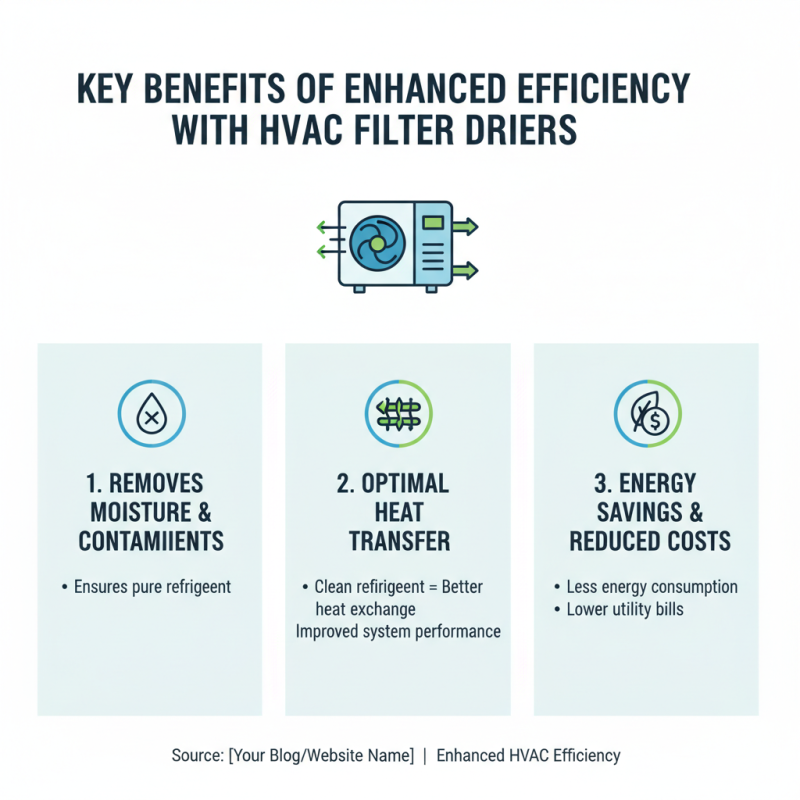
Key Benefits of Enhanced Efficiency with HVAC Filter Driers
When it comes to HVAC systems, filter driers play a crucial role in enhancing efficiency. These devices remove moisture and contaminants from refrigerant, ensuring optimal performance. A clean and dry refrigerant can transfer heat better, which improves system efficiency. This means your HVAC unit uses less energy to maintain desired temperatures, leading to lower utility bills.
Additionally, filter driers extend the lifespan of HVAC systems. By preventing moisture from corroding internal components, the system runs smoother and lasts longer. Regularly changing or monitoring filter driers is essential, as neglect can lead to performance issues. A neglected filter drier may result in costly repairs or premature replacements.
Efficiency also depends on proper sizing of filter driers. An incorrect size could restrict airflow or fail to remove enough moisture. This misstep can diminish efficiency, which is frustrating. Monitoring the system’s performance provides insights into the need for changes. Ultimately, while HVAC filter driers improve efficiency and longevity, they require attention and care.
Impact of HVAC Filter Driers on System Longevity and Maintenance
HVAC filter driers play a crucial role in enhancing system longevity. They prevent contaminants from entering the refrigeration cycle. According to industry reports, approximately 80% of system failures are linked to moisture and debris. By filtering out harmful particles, filter driers help preserve vital components.
Keeping systems clean leads to reduced maintenance costs. Studies indicate that regular use of filter driers can extend equipment lifespan by up to 20%. This minimizes the frequency of replacements and repairs, ultimately saving money over time. A well-maintained system also operates more efficiently, which can lead to energy savings of around 10%.
Tips: Regularly check and replace your filter drier. This simple task ensures optimal performance. Also, consider conducting seasonal inspections. These proactive measures reduce the risk of costly breakdowns and enhance system health. Keeping these details in mind can make a significant difference in your HVAC's life and efficiency.
Comparison of Different Types of HVAC Filter Driers Available
When exploring HVAC filter driers, it's essential to understand the different types available. Common variants include traditional driers, core driers, and desiccant driers. Each type offers unique benefits tailored to specific systems. For instance, traditional driers are effective in standard refrigerant systems, filtering out moisture and contaminants. They can improve efficiency by up to 20%, as indicated by the HVAC Efficiency Report 2022.
Core driers utilize a compact design, making them suitable for smaller systems. These driers can handle more extensive debris while ensuring optimal airflow. In contrast, desiccant driers absorb moisture, providing additional protection in environments with high humidity. The selection can affect the system's lifespan significantly. The study from the Refrigeration Research Institute shows that using the correct drier can extend equipment life by 15-25%.
Choosing the right filter drier is crucial for operational longevity. However, misjudging the system's requirements can lead to issues. Overlooking the specific moisture levels might harm performance. Furthermore, improper installation of filter driers is a common oversight. This can result in reduced efficiency and increased maintenance costs. An awareness of these factors can lead to better decision-making in HVAC management.
Top 10 Benefits of Using HVAC Filter Drier for Efficiency and Longevity
| Benefit |
Description |
Type of Filter Drier |
| Improved Efficiency |
Enhances system efficiency by removing moisture and contaminants. |
Refrigerant Drier |
| Increased Longevity |
Extends the life of HVAC systems by preventing corrosion and damage. |
Liquid Line Drier |
| Lower Operating Costs |
Reduces energy consumption leading to lower utility bills. |
Filter Drier with Desiccant |
| Enhanced Performance |
Ensures optimal performance by eliminating blockages and restoring flow. |
Copper Drier |
| Versatility |
Compatible with various refrigerants and HVAC systems. |
Universal Drier |
| Reduced Risk of Breakdowns |
Minimizes the likelihood of system failure through preventative maintenance. |
Suction Line Drier |
| Simplified Maintenance |
Eases routine checks and replacements, saving time and money. |
Sealed Drier |
| Protection Against Contamination |
Shields the system from dirt and debris that can cause inefficiency. |
Inline Drier |
| Lower Noise Levels |
Reduces noise by ensuring smooth operation of HVAC components. |
Silencer Drier |
| Cost-Effective Solution |
Provides a cost-effective way to maintain system integrity. |
Budget Drier |
Best Practices for Installation and Maintenance of HVAC Filter Driers
Proper installation and maintenance of HVAC filter driers are crucial for optimal performance. A filter drier functions to remove impurities and moisture from refrigerants. This process enhances system efficiency and lifespan. According to industry reports, up to 30% of HVAC failures stem from dirty or clogged filters. Regular checks can help avoid these costly breakdowns.
When installing a filter drier, positioning is key. Place it close to the evaporator to minimize refrigerant travel. Additionally, ensuring the correct flow direction is essential. Misalignment can lead to inefficiency. Utilize appropriate tools and follow safety protocols. A poorly installed unit can lead to leaks and system damage.
Maintenance should not be overlooked. It's recommended to replace filter driers every few years. Measure pressure drops to assess performance. If the readings fluctuate significantly, it’s a warning sign of potential issues. Ignoring these signs can lead to bigger problems. Regular servicing often gets neglected, but it's vital for longevity. Engaging professionals for periodic inspections is a worthwhile investment.