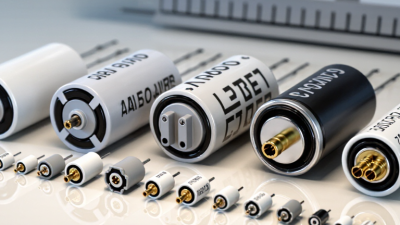
A freezer that hums but no longer holds food at a safe, steady temperature may have a failing compressor. But warm shelves do not prove it. A dirty condenser coil, damaged door gasket, faulty start relay, or control problem can produce similar symptoms. Freezer Compressor Replacement is a major repair, so a careful diagnosis matters before anyone orders a part.
This guide compares common replacement options for 2026: manufacturer-approved compressors, compatible aftermarket units, and professionally remanufactured parts. Each has trade-offs. An original part may offer a clearer fit for a specific model, while a compatible unit may cost less. Remanufactured options can be harder to assess without reliable testing details and a written warranty. The right choice depends on the freezer’s model number, refrigerant, age, parts availability, and local service costs.
The awkward part: a compressor is not a simple plug-in component. It connects to the sealed refrigerant system, and replacement generally calls for specialized tools and qualified service. Ask for a written estimate covering diagnosis, labor, refrigerant handling, and warranty terms. Compare that total with the cost of a suitable new freezer, especially if the cabinet, seals, or controls are also worn.
No option fits every home. Even a well-matched compressor may not make an old freezer economical to keep. These recommendations are a starting point, not a diagnosis; confirm compatibility with the appliance label and a qualified technician before purchasing.
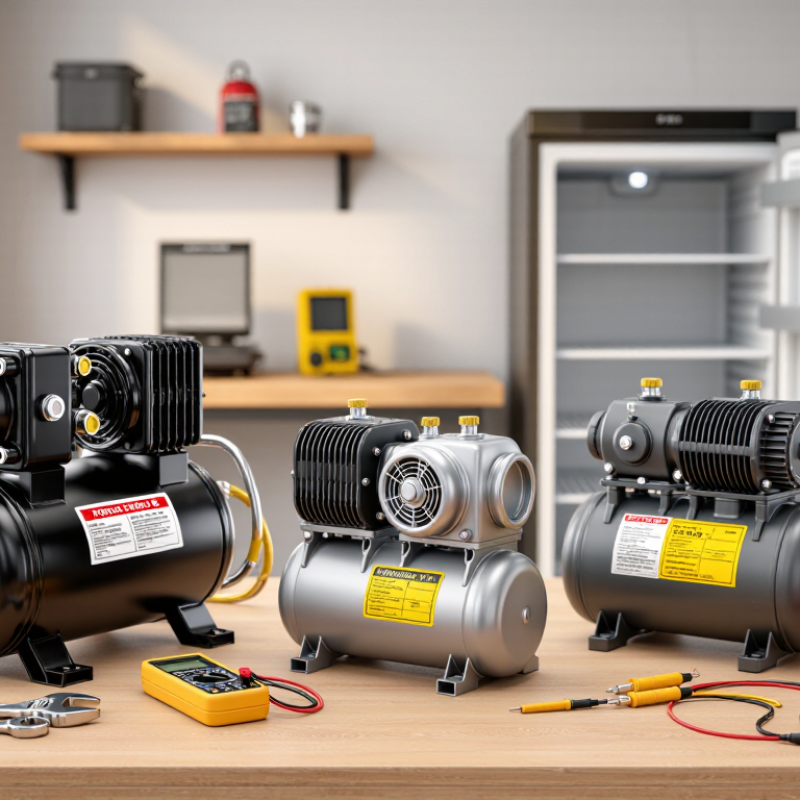
A freezer compressor is the pump that circulates refrigerant through the sealed cooling system. It compresses refrigerant vapor, helping the freezer release heat outside and absorb it inside. When the compressor runs, you may hear a steady hum and feel warmth near the condenser coils. A brief pause is normal; constant cycling or silence alone does not prove failure.
The U.S. ENERGY STAR Residential Freezers specification sets certified models at least 10% below applicable federal minimum energy use. That benchmark concerns the whole freezer, not compressor replacement alone. A new compressor cannot correct a leaking door gasket, blocked airflow, or faulty thermostat. Still, diagnosis can be messy. A technician should check electrical components, refrigerant-system pressures, and temperature history before recommending replacement. The U.S. Department of Energy’s consumer-refrigeration standards work also evaluates energy use under controlled test conditions, so real household results can differ.
Replacement may make sense when the cabinet is sound and the sealed system is repairable. Ask for a written estimate covering parts, labor, refrigerant handling, and warranty. Compare it with the freezer’s age, condition, and expected energy use. Small detail, big clue: frost patterns and a warm cabinet wall can help guide diagnosis, but they are not proof. If the compressor repeatedly trips its overload protector, unplug the unit and arrange qualified service.
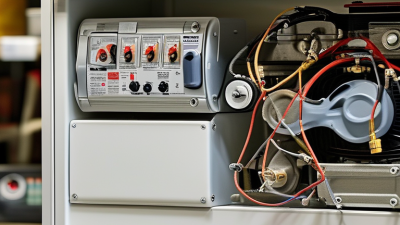
A freezer compressor may need replacement when it runs almost constantly, clicks repeatedly, or leaves food soft despite a correct temperature setting. Check the simple causes first: a blocked condenser grille, a damaged door seal, or heavy frost can mimic compressor trouble. Listen closely. A brief hum is normal; repeated starts followed by silence deserve attention. If the cabinet stays warm and the compressor feels unusually hot, unplug the freezer and arrange a qualified diagnosis. Do not treat noise alone as proof.
The U.S. Department of Energy’s refrigerator and freezer test procedures measure energy use over a standardized 24-hour cycle, a useful reference when comparing an older unit’s consumption with its original rating. ENERGY STAR’s freezer criteria set a benchmark of at least 10% greater efficiency than the federal minimum, though that figure does not predict compressor life. A technician can test start components, electrical draw, refrigerant conditions, and temperature performance before recommending replacement. Ask for measured findings, not just a guess. That distinction matters. Compressor replacement may be sensible when the cabinet is sound and the repair cost is reasonable; on an aging, poorly insulated freezer, replacing the appliance may use less energy over time. My own first instinct would be to blame the compressor, but symptoms overlap—and that instinct can be wrong.
Comparing freezer compressor replacement options in 2026 starts with diagnosis, not a parts list. A failed compressor can look like a refrigerant leak or restricted tubing. Ask a qualified technician to check electrical readings, system pressures, and the sealed circuit before quoting replacement.
A new equivalent compressor usually offers the clearest fit when its specifications match the freezer’s refrigerant and control system. A compatible universal unit may cost less, but fit must be confirmed, especially with variable-speed systems. Remanufactured units can reduce upfront cost; warranty length and parts availability deserve close attention.
Small details matter. A new filter-drier and proper evacuation are important parts of sealed-system work.
Compare the full repair quote with the freezer’s age, condition, and energy use. ENERGY STAR’s residential refrigerator guidance reports that certified models use about 9% less energy than models meeting federal minimum efficiency standards. That figure is a useful replacement benchmark, not a promise of savings from a compressor swap. Check the model’s rating label and your electricity rate.
Still, estimates can feel neat on paper; an old cabinet seal or damaged evaporator may change the calculation. Ask for the diagnosis, labor, parts, refrigerant handling, and warranty in writing.
Choosing a compatible freezer compressor starts with the appliance’s exact model and serial information. Check the service manual or parts documentation before comparing replacement options. The compressor must match the freezer’s required voltage, frequency, refrigerant type, and cooling capacity. Similar-looking units are not necessarily interchangeable. Fit matters.
Also compare the compressor’s mounting points, tubing layout, and electrical connections. The start relay and overload protector may need to match the replacement compressor’s specifications. One detail is easy to miss: a compressor that physically fits may still be unsuitable for the freezer’s refrigerant or system design. I would verify every specification rather than rely on appearance or a marketplace description alone. Not guesswork.
Compressor replacement involves opening a sealed refrigeration system, so it is generally best handled by a qualified refrigeration technician with appropriate recovery and testing equipment. Ask for a compatibility check against the freezer’s data plate and service information. A technician can also investigate why the original compressor failed; otherwise, a new part may face the same problem. The label can be cramped, and documentation may be incomplete. Take clear photos before ordering, and confirm the return policy in case a specification does not match.
2026 Best Freezer Compressor Replacement Options?
A compressor replacement can be worthwhile when the freezer cabinet and insulation remain in good condition. The quote should separate the compressor, labor, refrigerant, and any leak repair. Ask whether diagnosis is included and what parts and labor warranties cover. Costs vary by freezer type, location, and parts availability, so compare written estimates rather than relying on one flat price. If the total approaches the cost of a suitable replacement freezer, weigh age, energy use, and expected service life. That comparison can be messy.
Installation involves more than swapping a part. A technician should confirm the compressor is compatible, inspect the sealed system, and check for leaks before recharging it. Refrigerant work requires appropriate equipment and training. Unplug the freezer before cleaning around it, but do not open sealed tubing or attempt electrical repairs yourself. A rushed repair may cool briefly and fail again if the original fault remains.
Tips: Photograph the model and serial label before requesting a quote. Clear space around the freezer for safe access. Ask what caused the compressor failure, and request the findings in writing. After repair, check that the freezer reaches its specified temperature and monitor it with a separate thermometer. Don’t assume silence means success; cooling performance matters.
Planning estimates for total installed replacement costs in the United States; actual prices vary by location, freezer design, parts availability, and refrigerant requirements. Compressor work involves electrical and refrigerant hazards. Use a qualified technician; in the United States, technicians handling regulated refrigerants must hold applicable EPA Section 608 certification.